Digital
How India Shined At G20 Summit With Smart Marketing Techniques

Mumbai: The G20 India Summit served as a global platform that brought the world’s largest economies together to address global economy, trade, investment, and climate challenges. With India taking over the presidency of the summit, the country steered crucial discussions and left no stone unturned in demonstrating its leadership and marketing prowess to the world.
The country utilized a mix of traditional and advanced digital marketing tools, promoting India’s economic potential, technological hold, and culture and heritage. In fact, the timely use of smart marketing strategies enabled the country to play a key role in promoting the summit and creating a buzz. At a glance, these strategies seem to focus on collaboration, economic stability, and effective governance. However, they also aim to project the nation as a key decision-maker and a force to reckon with.
Let’s look at the digital marketing techniques used to promote the summit globally and showcase India as a global brand.

Digital Marketing
India leveraged the power of digital marketing and social media platforms to reach a global audience, creating a long-lasting impression. The strategy is to use digital media and social media platforms to create a digital presence, highlighting the event’s significance and India’s role in it on a global scale. These marketing strategies focused primarily on the dissemination of information and facilitating real-time engagement. Moreover, effective digital connectivity through proper marketing channels helped to generate immense curiosity around the event.
Social Media Campaigns
India used popular social media platforms like Instagram, Facebook, and X to share real-time updates and photos from the summit. This marketing strategy kept the public informed about the event’s developments and helped build engagement. As a result, social media was buzzing with G20 updates and piqued the interest of the audience from guest countries.
The government of India also launched a social media campaign #G20India, and used it diligently to share photos and updates from the summit. This social media campaign also focused on sharing engaging videos and infographics highlighting our economy and the country’s commitment to fostering global cooperation.
Use of Marketing Channels
The mix of effective marketing mediums contributed significantly to promoting the event and its agendas. To begin with, India launched a multimedia ad campaign encompassing platforms like radio, print, and TV to reach more individuals. Additionally, collaborations with leading media outlets helped garner extensive earned media coverage in the form of feature articles and op-eds, in national and international media. These attempts stimulated interest in the summit and projected a positive image of the country as a powerful leader.
Website Launch
The Government of India launched a dedicated website for this G-20 summit that displayed details of the event, highlighting its agendas and information about the participating nations. The government used the platform proactively to promote India’s mission, culture, and heritage. Recognizing the effectiveness of digital media and its scope, the official website had a dedicated section for digital marketing. It primarily displayed information on how different enterprises can get involved and promote the summit.
Traditional Marketing Methods
Besides social media campaigns, digital marketing platforms, and active website engagement, India used traditional marketing methods to draw attention to the summit. For instance, the organizers used public relations and print advertising and set up multiple posters, banners, and billboards across several cities for the G-20 summit’s promotion. The government also hosted several programs, including a youth summit, a business summit, and a cultural festival to demonstrate India’s strength and attract more trade and investment opportunities.
Conclusion
The government of India enlisted the help of marketing strategies, including digital marketing, social media campaigns, and traditional methods to promote the G-20 summit at the domestic and international levels. The successful implementation of the strategies helped the summit garner global attention and projected the country as a potential hub for trade, investment, and tourism. The success of the G-20 Delhi Summit, coupled with the effectiveness of the marketing campaigns will continue to benefit India and help reach its potential.



Digital
OpenAI names Sanghyun Lee Apac global affairs head
Ex-Google policy leader to steer AI governance and partnerships in region
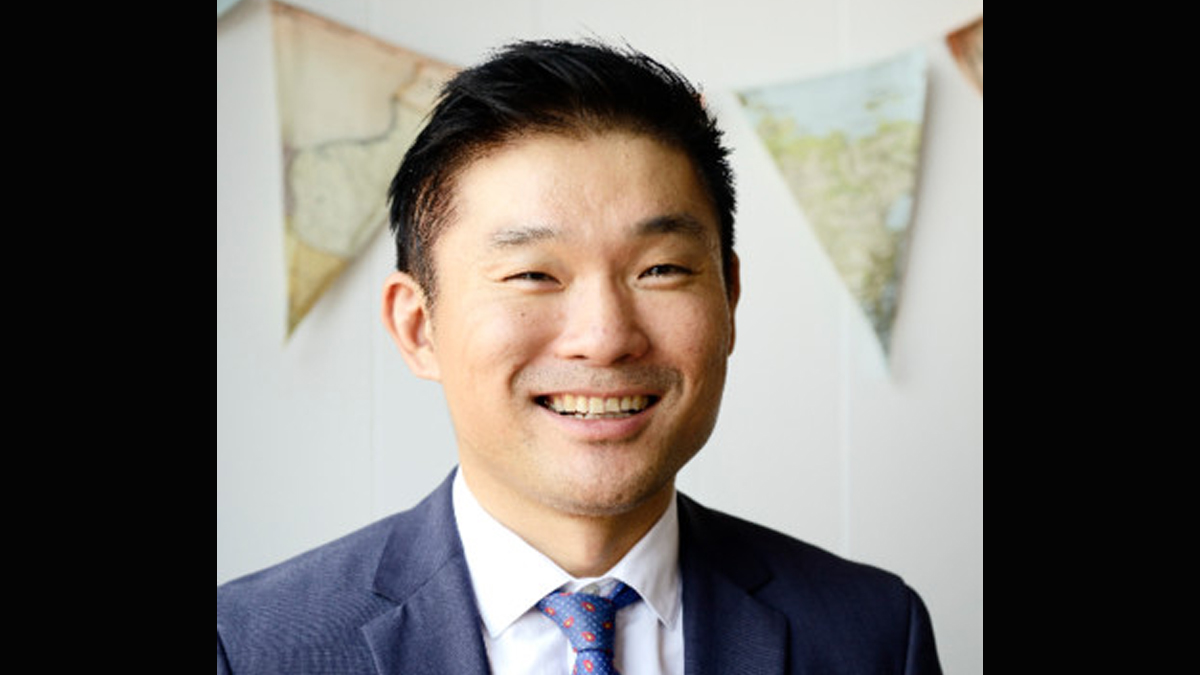
MUMBAI: OpenAI has appointed Sanghyun Lee as head of Asia Pacific global affairs, bringing in a seasoned policy hand as it deepens engagement across one of the fastest-evolving AI markets.
Based in Singapore, Lee will lead public policy engagement, government relations and strategic partnerships across key Asia Pacific markets, including India, Japan, Korea, Australia and Southeast Asia. His role will centre on shaping how AI is governed and adopted responsibly across the region.
Lee joins OpenAI after nearly nine years at Google, where he held multiple leadership roles in government affairs and public policy. Most recently, he served as global head of key markets for platforms and devices, overseeing regulatory strategy across major markets including the US, EU and Asia.
Reflecting on his transition, Lee described his time at Google as formative. “After nearly nine years at Google, I am closing a chapter that has meant a great deal to me. These were defining years. We navigated regulatory scrutiny, fast-moving policy debates, and moments that demanded calm judgment and steady teamwork,” he said.
At OpenAI, Lee will focus on aligning innovation with policy frameworks, a balancing act that is becoming increasingly critical as AI adoption accelerates worldwide. Lee said, “When a technology is as powerful as AI, progress is not only about innovation. It is also about how thoughtfully we engage with governments, institutions, and communities to help ensure its benefits are shared broadly and responsibly.”
Lee brings more than two decades of experience spanning technology, investments and public policy. His career includes leadership roles at Airbnb, where he worked on regulatory frameworks in Asia, and academic positions at Yonsei University. He is also an alumnus of MIT Sloan School of Management and has contributed to research on AI governance and digital policy.
His appointment comes as OpenAI looks to strengthen its institutional presence globally, with Asia Pacific expected to play a central role in shaping the future of AI regulation and adoption.
As governments and companies race to define the rules of AI, OpenAI’s latest hire signals a clear intent to stay ahead of the policy curve while building trust in a rapidly transforming digital landscape.






