MAM
Hitachi Vantara expands focus on enterprise storage, AI, and hybrid cloud


Mumbai: Hitachi Vantara, the data storage, infrastructure, and hybrid cloud management subsidiary of Hitachi, Ltd. (TSE: 6501), announced the completion of a strategic realignment designed to accelerate the company’s growth plan, including its ability to respond to market opportunities with a focus on hybrid cloud and generative AI. The new structure includes the integration of Hitachi Vantara and Hitachi’s IT Platform Products Management Division, which has been responsible for Hitachi’s business development, R&D, and production of data infrastructure solutions.
The realigned Hitachi Vantara commands extensive infrastructure and data storage experience across manufacturing and hybrid cloud, as well as a shared focus on collaboration to drive meaningful business outcomes for the company’s customers. As a result, the company will be able to innovate and adapt to the needs of the market in real-time, while also building upon its long-standing expertise in managing data across mission-critical environments.
The announcement comes at an important time as the emergence of technologies like generative AI has led to an explosive growth of processing required for data, and many companies are straining to keep up. One recent survey of IT leaders revealed that many IT professionals are struggling to manage AI projects and deal with the resulting deluge of data. According to the survey, nearly nine in 10 IT professionals (88 per cent) can’t support the surge of AI-related requests that they have received at their organisation. A separate survey found that more than 75 per cent of organisations are using multiple AI models and 90 per cent said that they have faced challenges integrating AI with other systems.

“The rise of generative AI and the explosion in data processing power are pushing the pace of change, and many organizations are struggling to keep up,” said Sheila Rohra, CEO of Hitachi Vantara. “This next phase of business transformation is designed to help us accelerate our execution and scale our business to identify and capitalize on market opportunities in real time. This extension of development, manufacturing, sales, and delivery capabilities will strengthen our ability to provide our customers with the AI-driven data performance, reliability, and resiliency they need across their hybrid cloud environments in order to realize real-world impact and growth.”
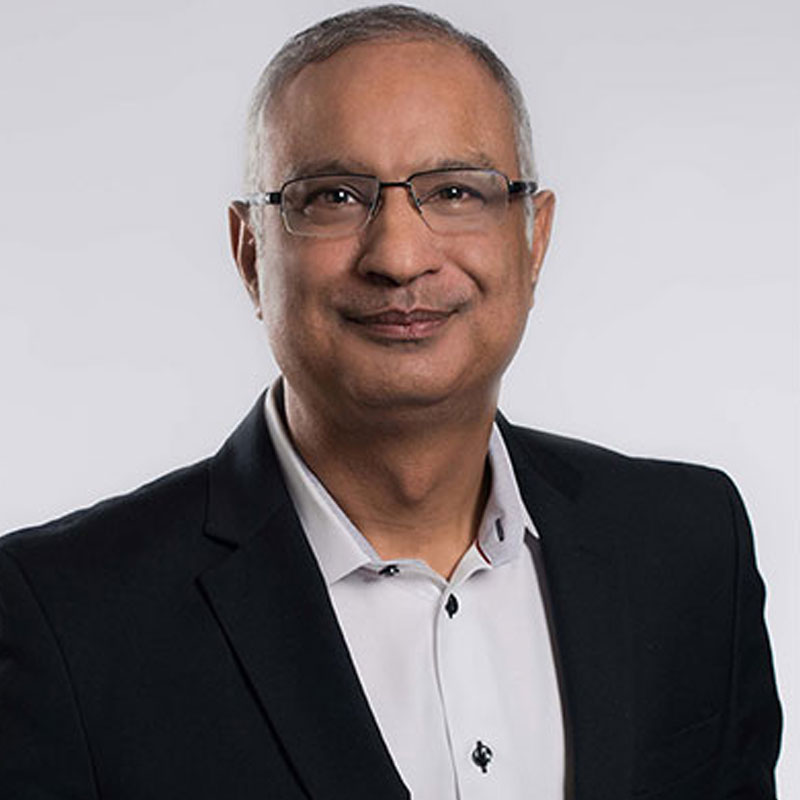
As part of the new organizational structure, Akinobu Shimada, formerly president of Hitachi’s IT Platform Products Management Division, has been appointed as chairman of Hitachi Vantara to bolster the already strong connection between Hitachi Vantara and Hitachi Ltd.
“Our strong partnership across the organisations has helped to create the right synergy to formalize a Hitachi Vantara structure that brings R&D and engineering closer to our key markets around the globe,” said Shimada. “Given the impressive amount of industry expertise and technical understanding infused into our business, I am confident that we will lead with a unified digital infrastructure and AI strategy and execution plan that enables us to deliver high-impact outcomes for our customers and positions our business for continued growth.”
Hitachi Vantara is pioneering the development of hybrid cloud storage that seamlessly combines on-premises and cloud computing to achieve safety, high performance and reliability, and cost advantage in processing critical, large-scale data for complex business requirements. As an example, the company recently announced a collaboration with NVIDIA to create a new generation of transformational AI solutions, Hitachi iQ, which layers industry-specific capabilities on top of its AI solution stack, so outcomes can be more specific and relevant to an organization’s business.

MAM
Beacon Group appoints Dr Rajesh Patel as Group CEO
36-year healthcare veteran to lead Beacon Diagnostics, Vector Biotek, Biogeny.
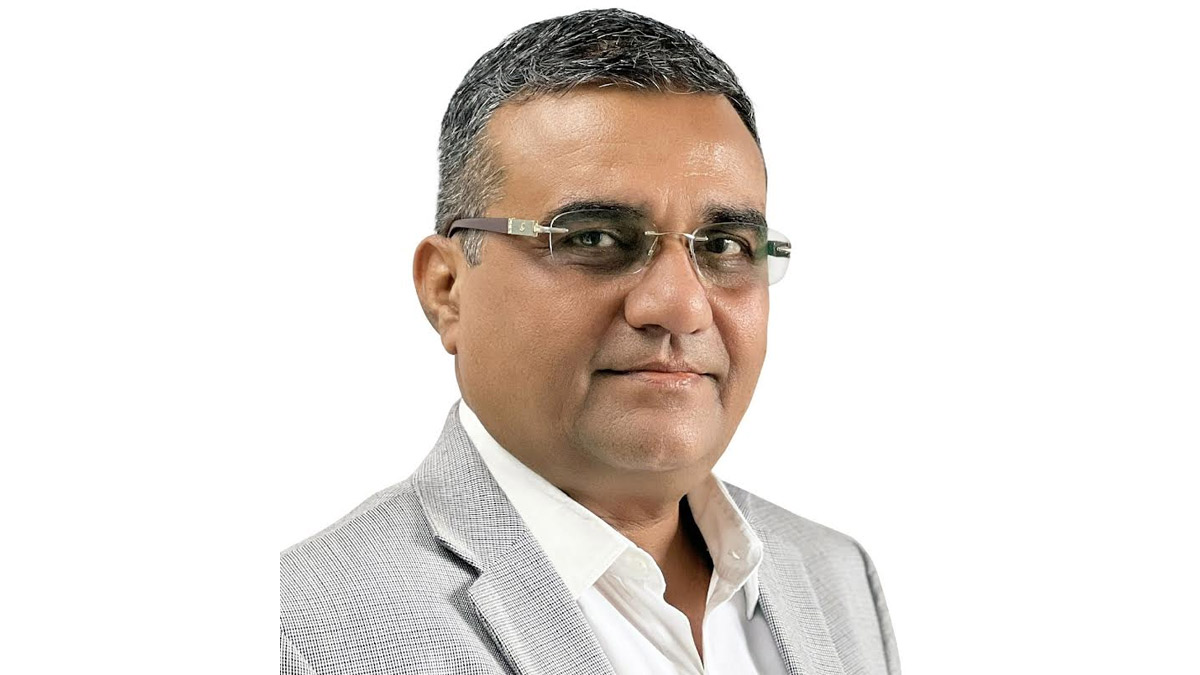
MUMBAI: A new chief, a fresh diagnosis and a sharper prescription for growth. Beacon Group has appointed Dr Rajesh Patel as its Group Chief Executive Officer, effective April 1, 2026, signalling a decisive push to scale its presence in the diagnostics and IVD space. Patel steps into the role with 36 years of experience across the healthcare and diagnostics industry, bringing a career shaped by leadership roles spanning sales, marketing, business development and operational strategy. His mandate is both expansive and precise: to steer the group’s overall strategic direction while tightening coordination across its three core entities Beacon Diagnostics, Vector Biotek and Biogeny Diagnostics.
In practical terms, that means driving cross-company synergies, accelerating market expansion and strengthening organisational capability areas increasingly critical as diagnostic players compete for scale in a fragmented yet rapidly evolving healthcare ecosystem. The group is positioning itself to capture unmet demand across chain laboratories, key accounts and standalone labs, segments that remain underserved despite growing diagnostic needs.
The appointment comes at a time when the In Vitro Diagnostics (IVD) sector in India is entering a more competitive and innovation-led phase, with companies focusing not just on product pipelines but also on service delivery, integration and customer-centric models. Beacon’s leadership appears to be betting that Patel’s execution-focused approach can help translate ambition into operational momentum.
Welcoming the appointment, Chairman Dr D K Joshi described Patel’s induction as a strategic move aligned with the group’s long-term vision, emphasising the role of leadership depth in navigating the next phase of growth.
For Beacon Group, the message is clear, in a sector where precision matters, leadership is the new differentiator—and this appointment is intended to set the tone for what comes next.






