MAM
Hindware gets a new identity & positioning


MUMBAI: Sanitary ware products manufacturer, HSIL, has unveiled a new identity for its ceramic brand, Hindware.
With the new identity, the company intends to position Hindware as a young, vibrant and contemporary brand, which is representative of ‘Change, Positivity and Passion‘.
Hindware‘s new brand identity is designed by UK’s design consultancy Fitch, a part of WPP.

The change in the identity of Hindware showcases the transition of the original logo, which was symbolic of quality and reliability, to the new young logo that reflects confidence and dynamism while maintaining the core values for which the brand has stood for across the years.
HSIL joint managing director Sandip Somany said, “Hindware is one of the most prestigious brands in India today and it gives me immense pleasure to introduce the new brand identity to all our customers and stakeholders. We at HSIL believe that change lies at the core of evolution. It is this philosophy that helps us keep up with evolving consumers and markets.”
The new look will flow across products, packaging, signage and all communication. As a part of Hindware’s promotion strategy, it plans to roll out a pan-India campaign across the media spectrum. This will comprise both ATL (above-the-line) and BTL (below-the-line) activities.
ATL activities will include print and electronic media with all major dailies, magazines and general interest, business and news channels.
Providing additional support will be the outdoor and radio campaigns. While BTL activities will consist of road shows, product parades along with on-ground mall activities and interesting initiatives at dealer outlets will promote the new brand identity.
The fresh identity is in a shade of red. The readable and simple lower case font has been chosen to portray the brand as ‘engaging and approachable’ and is immediately recognisable as Hindware.
The logo aims to convey modernity and an innate sense of style. The brand graphic element derives from the negative and positive space found within the new brand identity. It creates an additional layer of brand recognition and recall and can be used across all brand applications.
Somany said, “The new look reinforces the trust and equity in consumers minds and reaffirms the credibility of the brand. The new face of brand Hindware symbolises a set of values that are- ‘young, global, contemporary and dynamic’. The unique brand identity supports our desire to balance function and form to the highest degree. This fresh rendition is a manifestation of the global outlook of brand Hindware and reflects the group’s ambitions and commitment. Therefore, it is a fundamental change for us going forward.”






MAM
Beacon Group appoints Dr Rajesh Patel as Group CEO
36-year healthcare veteran to lead Beacon Diagnostics, Vector Biotek, Biogeny.
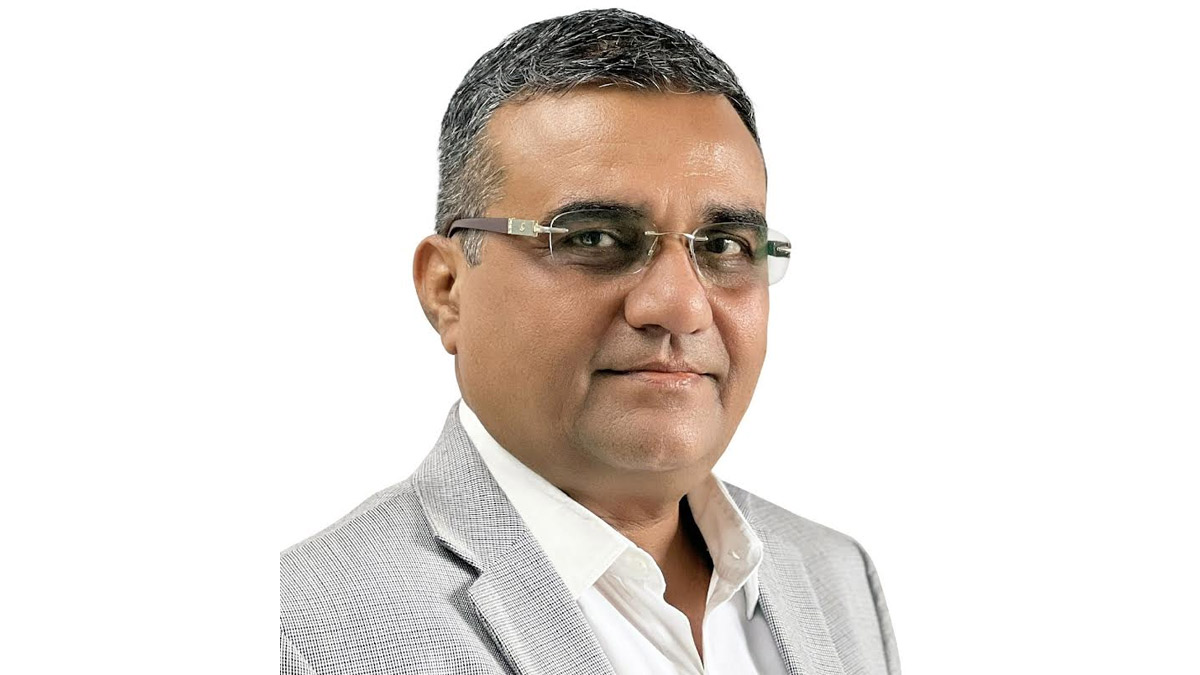
MUMBAI: A new chief, a fresh diagnosis and a sharper prescription for growth. Beacon Group has appointed Dr Rajesh Patel as its Group Chief Executive Officer, effective April 1, 2026, signalling a decisive push to scale its presence in the diagnostics and IVD space. Patel steps into the role with 36 years of experience across the healthcare and diagnostics industry, bringing a career shaped by leadership roles spanning sales, marketing, business development and operational strategy. His mandate is both expansive and precise: to steer the group’s overall strategic direction while tightening coordination across its three core entities Beacon Diagnostics, Vector Biotek and Biogeny Diagnostics.
In practical terms, that means driving cross-company synergies, accelerating market expansion and strengthening organisational capability areas increasingly critical as diagnostic players compete for scale in a fragmented yet rapidly evolving healthcare ecosystem. The group is positioning itself to capture unmet demand across chain laboratories, key accounts and standalone labs, segments that remain underserved despite growing diagnostic needs.
The appointment comes at a time when the In Vitro Diagnostics (IVD) sector in India is entering a more competitive and innovation-led phase, with companies focusing not just on product pipelines but also on service delivery, integration and customer-centric models. Beacon’s leadership appears to be betting that Patel’s execution-focused approach can help translate ambition into operational momentum.
Welcoming the appointment, Chairman Dr D K Joshi described Patel’s induction as a strategic move aligned with the group’s long-term vision, emphasising the role of leadership depth in navigating the next phase of growth.
For Beacon Group, the message is clear, in a sector where precision matters, leadership is the new differentiator—and this appointment is intended to set the tone for what comes next.






