MAM
Hero MotoCorp appoints Latika Taneja to lead communications, corporate affairs and CSR


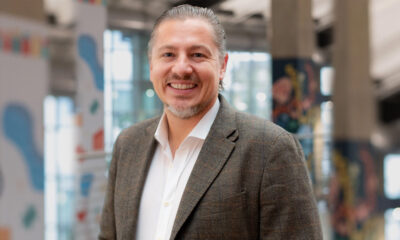
MUMBAI: Hero MotoCorp has strengthened its leadership bench with the appointment of Latika Taneja as head of corporate communications, corporate affairs and CSR. In her new role, she will be responsible for shaping the company’s brand narrative, deepening stakeholder trust and advancing its agenda of purposeful and sustainable growth.
Taneja brings more than two decades of experience in building reputations for multinational corporations across energy, financial services, technology and insurance. She joins Hero MotoCorp from Shell, where she spent over three years leading corporate relations across government affairs, communications and sustainability. Prior to that, she held senior mandates at Mastercard, including director of public policy and government relations for South Asia and head of corporate communications.
Her earlier career spans stints at DuPont, where she managed external and leadership communications across South Asia; Alcatel-Lucent India, where she developed integrated marketing campaigns; and MetLife, where she ran corporate communications for India. She began her career at Genesis Burson-Marsteller, supporting clients on insurance and financial services.

Hero MotoCorp said Taneja’s appointment reflects the company’s sharpened focus on long-term value creation, stronger governance and broader stakeholder engagement as the mobility sector undergoes rapid transformation.
Known for her passion for policy, partnerships and sustainability, Taneja has consistently worked at the intersection of communications, corporate affairs and social responsibility. Her remit at Hero MotoCorp will include aligning the brand’s voice with its strategy for an evolving global mobility ecosystem, while reinforcing its reputation with regulators, partners and customers.
The company added that her leadership will play a critical role in energising its ESG commitments, strengthening corporate responsibility initiatives and amplifying Hero MotoCorp’s global brand positioning.






MAM
Beacon Group appoints Dr Rajesh Patel as Group CEO
36-year healthcare veteran to lead Beacon Diagnostics, Vector Biotek, Biogeny.
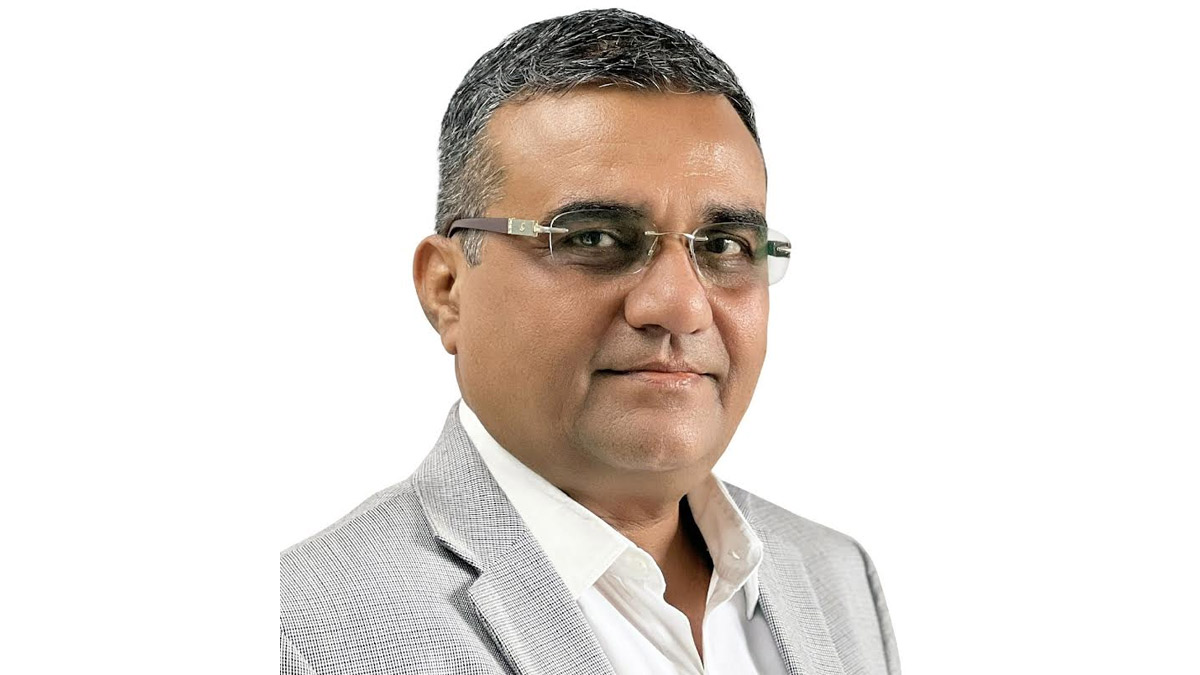
MUMBAI: A new chief, a fresh diagnosis and a sharper prescription for growth. Beacon Group has appointed Dr Rajesh Patel as its Group Chief Executive Officer, effective April 1, 2026, signalling a decisive push to scale its presence in the diagnostics and IVD space. Patel steps into the role with 36 years of experience across the healthcare and diagnostics industry, bringing a career shaped by leadership roles spanning sales, marketing, business development and operational strategy. His mandate is both expansive and precise: to steer the group’s overall strategic direction while tightening coordination across its three core entities Beacon Diagnostics, Vector Biotek and Biogeny Diagnostics.
In practical terms, that means driving cross-company synergies, accelerating market expansion and strengthening organisational capability areas increasingly critical as diagnostic players compete for scale in a fragmented yet rapidly evolving healthcare ecosystem. The group is positioning itself to capture unmet demand across chain laboratories, key accounts and standalone labs, segments that remain underserved despite growing diagnostic needs.
The appointment comes at a time when the In Vitro Diagnostics (IVD) sector in India is entering a more competitive and innovation-led phase, with companies focusing not just on product pipelines but also on service delivery, integration and customer-centric models. Beacon’s leadership appears to be betting that Patel’s execution-focused approach can help translate ambition into operational momentum.
Welcoming the appointment, Chairman Dr D K Joshi described Patel’s induction as a strategic move aligned with the group’s long-term vision, emphasising the role of leadership depth in navigating the next phase of growth.
For Beacon Group, the message is clear, in a sector where precision matters, leadership is the new differentiator—and this appointment is intended to set the tone for what comes next.






