Brands
Havmor flies high this Uttarayan with a folk-powered festive campaign


NATIONAL: Havmor Ice Cream has rolled out a culture-first Uttarayan campaign, pairing a high-energy folk anthem with festival-specific value packs as it looks to own Gujarat’s most visible kite-flying season.

The centrepiece is a specially produced Uttarayan song featuring Gujarati folk star Kirtidan Gadhvi, built around the familiar “Kai Po Che” refrain and designed to play out across rooftops, terraces and family gatherings. The track positions Havmor not just as a dessert brand, but as part of the festive soundtrack.
“Havmor has always been about the moments we share with loved ones,” said Havmor Ice Cream head of marketing Rishabh Verma. “With Uttarayan 2026, we are embedding ourselves into one of Gujarat’s most cherished traditions through an authentic cultural collaboration.”
To convert buzz into baskets, Havmor has also launched festival combo packs. These include choco brownie at Rs 129 (down from Rs 155) and butterscotch at Rs 99 (from Rs 125) in 700 ml packs. The brand is also pushing its zulubarrange at Rs 160 for a three plus one offer, including zulubar dark crunch, to drive volume during the peak season.
The push comes as parent Lotte India Corporation ramps up capacity, having recently commissioned a Rs 500 crore ice-cream plant in Pune, one of the largest in the country, to fuel Havmor’s national expansion.




Brands
TCS proposes Rs 31 dividend as Q4 results reflect steady profit growth
Tech giant recommends final payout following a year of steady growth and expansion
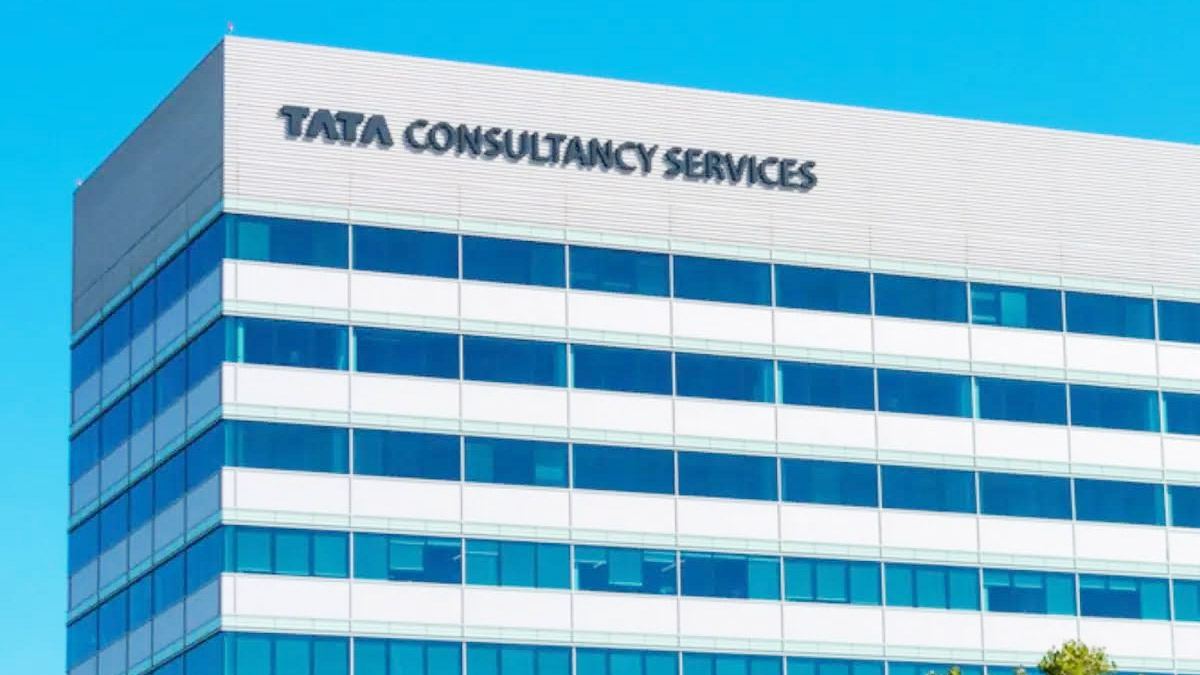
MUMBAI: Tata Consultancy Services Limited has signalled its confidence in the digital future by recommending a final dividend of Rs 31 per share. The payout, which remains subject to shareholder approval at the upcoming annual general meeting, caps off a year of significant activity for the global IT services leader.
The company reported a consolidated revenue from operations of Rs 267,021 crore for the year ended 31 March 2026, representing a steady increase from the Rs 255,324 crore recorded in the previous financial year. Net profit for the period also saw an uptick, reaching Rs 49,454 crore compared to Rs 48,797 crore twelve months prior.
Growth was visible across several key sectors, with banking, financial services, and insurance remaining the company’s largest revenue generator, contributing Rs 103,363 crore to the annual total. Despite the positive trajectory, the firm navigated some financial headwinds, including a one-off provision of Rs 1,010 crore related to a legal claim and Rs 1,388 crore in restructuring expenses.
The year was also defined by a flurry of international expansion. The group successfully integrated several new entities, including the acquisition of Coastal Cloud Holdings, LLC in January 2026 and the incorporation of new subsidiaries in Morocco and Saudi Arabia.
With its global footprint expanding and a healthy dividend on the horizon, the firm appears well-positioned to maintain its momentum in the competitive tech landscape.






