MAM
Havas Media Mumbai reports growth of 150 per cent in 2020-21

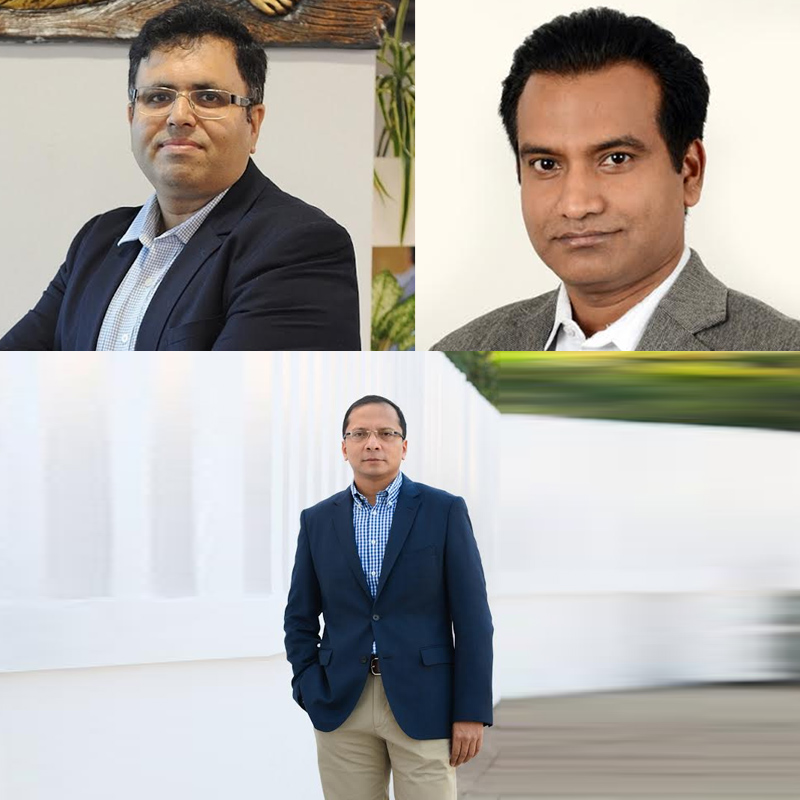
Mumbai: Following the strategic restructuring of Havas Media Group India’s senior management a few months ago, the agency’s Mumbai office has reported a growth of 150 per cent in 2020-21, on the back of over 15 new account wins.
This includes ACC Cement, Ambuja Cement, ICICI Securities, De Beers Forevermark, Wai Wai, GITAM University, Dr Reddy’s, OZiva, and several others. In addition, the agency has seen tremendous growth on the back of marquee clients like Tata Motors and TVS Eurogrip and their increased media spends even in 2020. In total, Havas Media Mumbai has added a total billing of over Rs 500 crore in 2020-21, the agency shared.
In the last fifteen months, Havas Media bolstered its senior leadership team in Mumbai. Uday Mohan took over as president & head – North & West India, which includes the Mumbai operations. In addition, Manish Sharma was elevated as executive vice president and head of the Mumbai operations. To further strengthen the strategy teams, Sanchita Roy was named Havas Media Group India strategy head.

“Despite the market challenges, in the last 15 months we stuck to our task, defined our vision and kept investing in both our talent and product,” said Havas Group India Group CEO Rana Barua. “In 2020, Havas Media Group India has garnered a growth rate of 35 per cent (RECMA June 2020) – the highest among all media agency networks in India.”
“Our North operations have always been extremely strong, and now it’s heartening to see the same being replicated in other markets,” said Havas Media Group India CEO Mohit Joshi. “We have seen both organic growth and won some fabulous new client wins in the West in the last 15 months resulting in unprecedented growth.”
“We are firmly aligned to the network’s global philosophy of creating meaningful media and brands. Havas Media Group is growing the business on four pillars – product, people, pitches, and partnerships,” said Uday Mohan, who has led this unprecedented resurgence story of Havas Media in the West. “Built on the media experience [Mx] operating structure, each phase of the Mx process is powered by converged, an identity–based planning platform, which places the audience at the heart of the media planning process and capitalises on media that matters.”






MAM
Ameya Velankar steps down as Uber’s head of marketing for India & South Asia
Veteran marketer exits after more than seven years with the ride-hailing giant.
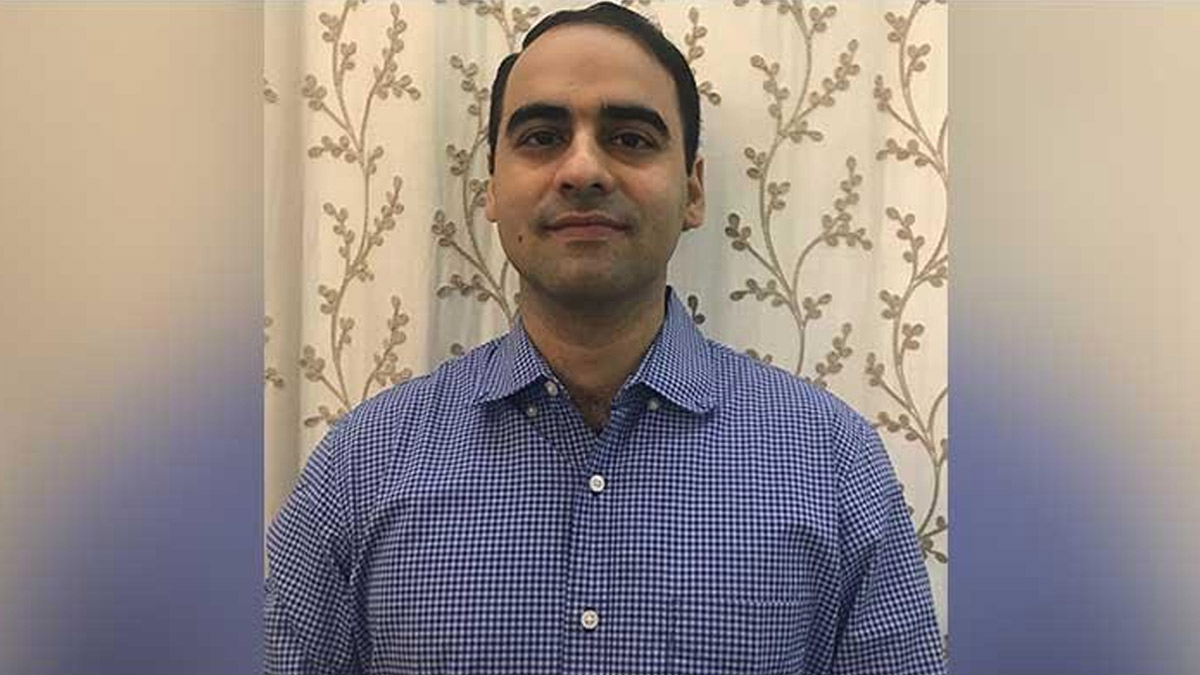
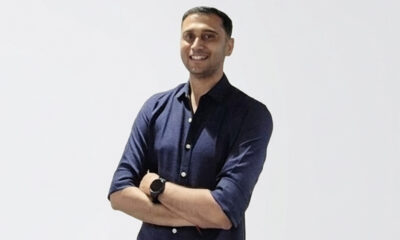
MUMBAI: After more than seven years of steering Uber through the bumpy roads of India’s mobility market, Ameya Velankar has decided to change lanes. Ameya Velankar has stepped down as Head of Marketing for India and South Asia, marking the end of a significant chapter at the ride-hailing company. He had been with Uber since 2019, taking on multiple roles in product and category marketing before rising to lead the marketing function for the region in 2021.
During his tenure, Velankar played a key role in strengthening Uber’s positioning in one of its most competitive and dynamic markets. He helped drive localised marketing strategies and scale adoption across key offerings such as Auto, Moto, Rentals and Intercity, tailoring global platforms to Indian consumer needs.
Prior to joining Uber, Velankar built his marketing expertise at leading consumer companies including SC Johnson and Marico, where he handled category and product leadership roles. His career began at RPG Enterprises.
Details of his next professional move have not been disclosed.
In a fast-evolving mobility landscape where brands constantly battle for attention, Ameya Velankar helped Uber stay relevant and resonant with millions of Indian users. As he moves on from the driver’s seat of marketing, the company will now look for fresh ideas to keep its wheels turning smoothly.






