MAM
Habuild creates Guinness world record by bringing together 2, 46,252 people for Yoga without quitting


Mumbai: Owing to the rising enthusiasm to make fitness a priority in the New Year, Nagpur-based startup, Habuild, witnessed yet another feat on Friday, 12 January 2024. The brand which is also one of the most reliable Yoga platforms has set a new world record of having the largest number of people doing yoga free of cost with them without giving up for 21 days. Through their initiative, the 21 day challenge, they brought together over 2, 46,252 people from all across the globe to participate in their live Yoga sessions and keep their fitness New Year goals intact.
Health & Wellness Startup Habuild Sets Guinness World Record
The habit building and holistic wellness brand, Habuild, conducted the online event to inspire people from different walks of life to do something about fitness in the New Year and not give up on their resolutions within the first two weeks. The free yoga option is only to encourage people to be motivated to work out and decide to go in for a subscription only once they are sure about not quitting.

Referring to the remarkable achievement Habuild CEO & certified yoga instructor Saurabh Bothra said, “It is a matter of immense pride for Habuild and the entire community that committed to health and wellness over the past few weeks to attain such a remarkable achievement. On January 12th, we celebrate Swami Vivekananda Jayanti. He strongly believed in ‘Charaiveti’ which means “Keep going”. He passionately travelled the world, sharing India’s values and culture to the world. He just kept going in his pursuit. ‘Charaiveti Charaiveti’ encourages us to persist. Hence, we purposely chose the 12 of January or the Quitters Day to celebrate this huge success and announce to the world that if one decides to commit to the power of yoga, then there’s nothing that can stop them, and not everyone is a Quitter. I am grateful to all participants who understood the essence of Yoga and it was an honour to see the footfall increase from the previous challenges too.”
The ongoing 21 day Yoga challenge is witnessing hundreds of yoga enthusiasts from diverse realms of life. We are especially happy to see the rise in numbers from tier 2 and tier 3 cities such as Indore, Lucknow, Jaipur from the North, Bhubaneshwar from East, Coimbatore and Kochi from the south, Surat and Nashik from the western part of India apart from the metros like Mumbai, Pune, Bangalore. The participants in the historic event came from 92 different countries across the globe, while there was representation from all the states of India. This ongoing yoga challenge commenced on 2 January 2024 and it remains open to all participants, free of cost, until 22 January, 2024.
The official team of Guinness world records invigilated the prestigious event. The officials declared that 2, 46,252 participants were part of the event and celebrated the importance of Yoga and well-being on a global scale.



MAM
Beacon Group appoints Dr Rajesh Patel as Group CEO
36-year healthcare veteran to lead Beacon Diagnostics, Vector Biotek, Biogeny.
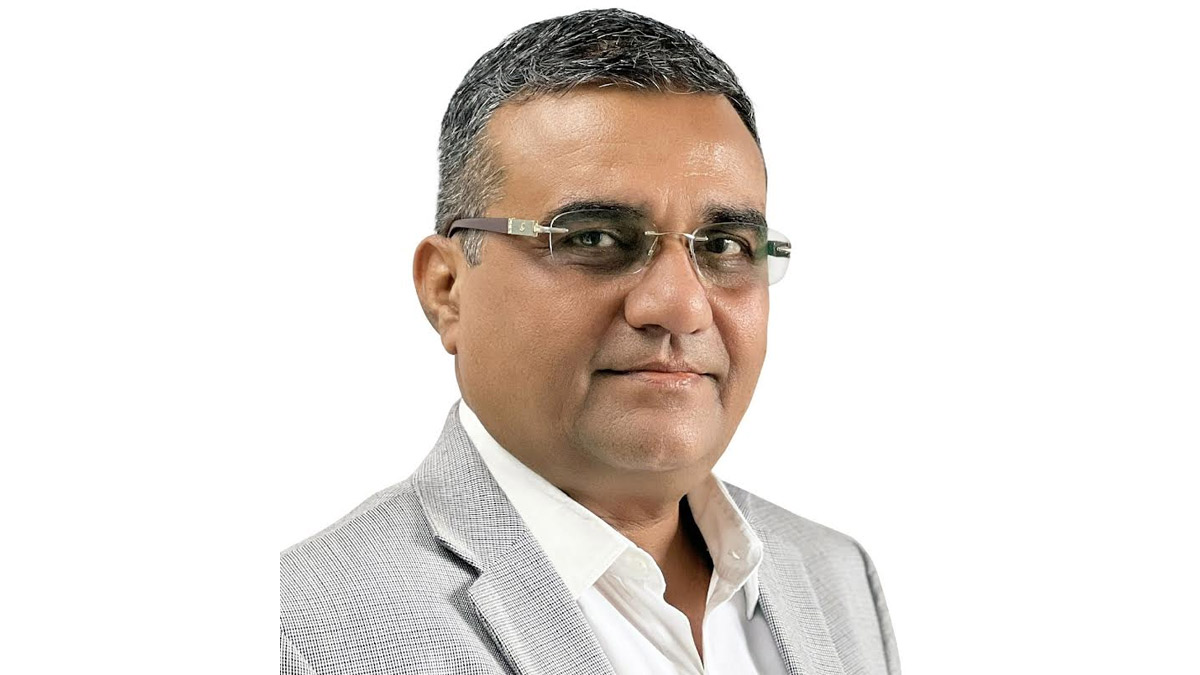
MUMBAI: A new chief, a fresh diagnosis and a sharper prescription for growth. Beacon Group has appointed Dr Rajesh Patel as its Group Chief Executive Officer, effective April 1, 2026, signalling a decisive push to scale its presence in the diagnostics and IVD space. Patel steps into the role with 36 years of experience across the healthcare and diagnostics industry, bringing a career shaped by leadership roles spanning sales, marketing, business development and operational strategy. His mandate is both expansive and precise: to steer the group’s overall strategic direction while tightening coordination across its three core entities Beacon Diagnostics, Vector Biotek and Biogeny Diagnostics.
In practical terms, that means driving cross-company synergies, accelerating market expansion and strengthening organisational capability areas increasingly critical as diagnostic players compete for scale in a fragmented yet rapidly evolving healthcare ecosystem. The group is positioning itself to capture unmet demand across chain laboratories, key accounts and standalone labs, segments that remain underserved despite growing diagnostic needs.
The appointment comes at a time when the In Vitro Diagnostics (IVD) sector in India is entering a more competitive and innovation-led phase, with companies focusing not just on product pipelines but also on service delivery, integration and customer-centric models. Beacon’s leadership appears to be betting that Patel’s execution-focused approach can help translate ambition into operational momentum.
Welcoming the appointment, Chairman Dr D K Joshi described Patel’s induction as a strategic move aligned with the group’s long-term vision, emphasising the role of leadership depth in navigating the next phase of growth.
For Beacon Group, the message is clear, in a sector where precision matters, leadership is the new differentiator—and this appointment is intended to set the tone for what comes next.






