MAM
Guest Column: Start-up hacks: A cheat sheet for success

With the convergence of technology and media, we are witnessing tremendous activity in the start-up space. From content to distribution to broadcast to affiliate opportunities, there is no dearth of new ideas and their backers. Surprisingly not all of them are covering all their bases to crack the start-up success code.
Having been a part of four start-ups in leadership positions along with all the insights gained through studying hundreds of others, here are 9 ways that help us better understand them and reasons that make them succeed.
1. Start-ups are not smaller versions of large organisations. Bonsai have a different life and game plan as compared to large trees. The two should not be compared and start-ups should not be expected to emulate the large organisation.

2. Start-ups do not adhere to a ‘set’ business plan – in most of the cases the challenge is to find one. As Mike Tyson famously said on his opponent’s pre-fight strategies: everyone has a plan till they get punched in the face. Business Plans are a necessary evil but for a start-up they are nothing more than fictional plans and rarely do they survive their first contact with customers.
3. Customer Plan is much more important than the business plan. This may include customer engagement, customer stickiness, brand advocacy score, net promoter score, etc. “Your most unhappy customers are your greatest source of learning,” said Bill Gates.
4. Data is the new oil. Data undergirds everything. Period.
5. Start-ups need to fail fast, fail often, fail cheap and fail better. Constant experimentation and continuous learning is the name of the game rather than elaborate planning. Start-ups need to keep their persistence levels high. “You don’t learn to walk by following rules. You learn by doing and falling over,” as famously told by Richard Branson.
6. Iteration is the key word for every aspect of the business. Launch and iterate. And again. Everything is changeable except the intent to give one’s best to making it big.
7. Repeatability and scalability are two pivots to search in the early life cycle stage. Investing in growth in stage 0 is almost a sure-shot pre-requisite. Mostly start-ups are dealing with a new concept and/or a habit change. This may initially require selling only on the strength of price (not the brand or anything else) and may call for disproportionate investments and therefore profitability may be a long way off.
8. Turmoil and chaos are integral to the existence of a start-up. Those who cannot stand the heat, need to get out of the kitchen.
9. Lastly as Jeff Bezos said – Entrepreneurs must be willing to be misunderstood for a long time.
The M&E industry as much needs start-ups as the rest of the economy. As research shows, the success quotient can go up if the above factors are kept in mind.
 Piyush Sharma, a global tech, media and entrepreneurial leader, created the successful foray of Zee Entertainment in India and globally under the ‘Living’ brand. The views expressed here are of the writer’s and Indiantelevision.com may not subscribe to them. Piyush Sharma, a global tech, media and entrepreneurial leader, created the successful foray of Zee Entertainment in India and globally under the ‘Living’ brand. The views expressed here are of the writer’s and Indiantelevision.com may not subscribe to them. |







MAM
Ameya Velankar steps down as Uber’s head of marketing for India & South Asia
Veteran marketer exits after more than seven years with the ride-hailing giant.
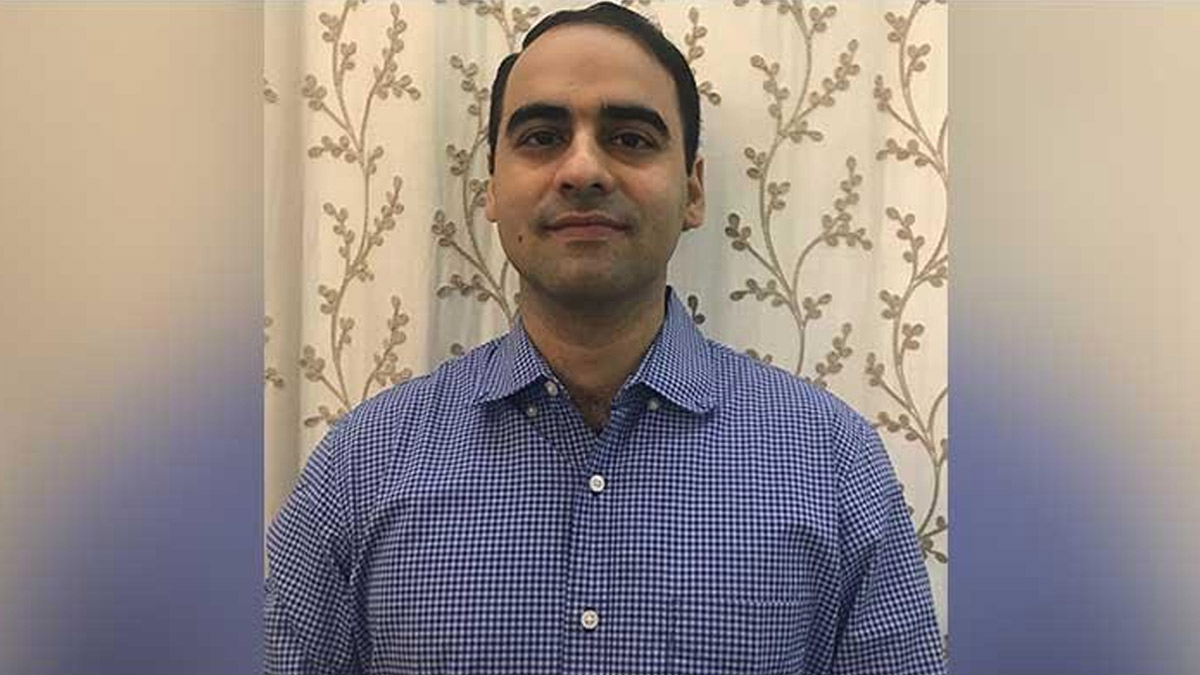
MUMBAI: After more than seven years of steering Uber through the bumpy roads of India’s mobility market, Ameya Velankar has decided to change lanes. Ameya Velankar has stepped down as Head of Marketing for India and South Asia, marking the end of a significant chapter at the ride-hailing company. He had been with Uber since 2019, taking on multiple roles in product and category marketing before rising to lead the marketing function for the region in 2021.
During his tenure, Velankar played a key role in strengthening Uber’s positioning in one of its most competitive and dynamic markets. He helped drive localised marketing strategies and scale adoption across key offerings such as Auto, Moto, Rentals and Intercity, tailoring global platforms to Indian consumer needs.
Prior to joining Uber, Velankar built his marketing expertise at leading consumer companies including SC Johnson and Marico, where he handled category and product leadership roles. His career began at RPG Enterprises.
Details of his next professional move have not been disclosed.
In a fast-evolving mobility landscape where brands constantly battle for attention, Ameya Velankar helped Uber stay relevant and resonant with millions of Indian users. As he moves on from the driver’s seat of marketing, the company will now look for fresh ideas to keep its wheels turning smoothly.






