MAM
GUEST COLUMN: Mobile marketing trends that’ll pave way for OTT boom in 2022


Mumbai: The OTT sector in India has emerged just like a Bollywood hero — their entry is always late but highly anticipated, sweeping away everyone’s heart and attention. Similarly, the sector that was once considered stagnant with very low penetration across different regions and markets has today become the most promising sector.
According to a report by RBSA Advisor, the OTT market in India is expected to increase to $12.5 billion by 2030 from about $1.5 billion in 2021. This massive rise can be largely attributed to the shift in consumer behavior brought on by the pandemic. With cinemas being shuttered, consumers were bound to shift from the big screens to their digital screens. What added to the growth was high-quality content across OTT platforms, the widespread availability of cheap data, and the high penetration of smartphones in India.
While we have witnessed and understood the growth of India’s OTT landscape, it’s now important to understand what the future will unfold for fellow mobile marketers to enhance their brand presence in this competitive landscape.

The Consumer is King
Brands need to delve deeper into understanding their customers better. The kind of content that they prefer watching, the average viewing time of the consumer, their favorite celebrities, and their preferred language will all come into play when a marketer designs their campaigns. This allows marketers to get a better grasp of their consumer’s psyche and enhance customer experience accordingly. Keeping this in mind, brands and marketers will need to invest more time and budget in leveraging the right customer segmentation tools to not only personalise content recommendations but also attract and retain more users.
Old Will Still Be Gold!
OTT players depend on new additions to the content library in order to increase their user base. However, there’s power in the classics. As a brand, one needs to leverage the strength of their existing library and extract more value from that, or potentially think differently about content-acquisition strategies like partnerships.
A big part of using the existing content is ensuring flawless content recommendations. With more and more viewing and listening patterns being formed during these times, delivering a hyper-personalised experience becomes vital. Since the competition in this space is high, there is an equally high risk of losing a user to a competitor almost immediately if they feel the recommendations do not align with what they want to enjoy at any given moment. As the usage of OTT media apps rapidly increases, marketers will be required to revisit their user personas and make changes to their app interface to make it more user-centric and user-friendly. Thereby, making app navigation simpler and intuitive.
A New Shift in In-app Messaging to Enhance Customer Experience
As brands strive to compete in the OTT space, video apps that have partnered with news houses could take the initiative of sending daily news updates to their customers. These updates could include the number of coronavirus cases and the latest news about anything Covid-19 related via push notifications and SMS. By collecting geographical data, brands can also personalize this by showcasing news from nearby locations. By looking at user habits, OTT platforms can send two kinds of recommendations – one to continue watching the show from where the user left off last time, and another to watch related content. However, timing is really crucial here – for example, one cannot send recommendations to watch a show during work hours!
From House Parties to Watch Parties
Watch parties recently became the talk of the town during the lockdown when like-minded users could gather virtually to watch their favourite series or movies online. This was further hyped by various digital influencers stressing this trend and hosting their watch parties by inviting selected users to stream a movie together. This is a huge opportunity for OTT marketers to not only increase viewership for their latest content but also invite new users to the platform. During the launch of a new movie or series, brands can lean into influencer marketing tactics to host a watch party for users. Watch parties also serve as a platform for users to engage with one another, exchange thoughts and share their fondness for a particular show or episode. Thereby, providing marketers with a huge opportunity to understand customer preferences without needing extra budgets. Similarly, watch parties also allow users to share instant feedback on the content that they are watching, further helping brands to understand what content to recommend to users the next time.
Integrating Augmented Reality (AR)
Another opportunity for the future of OTT is integrating it with augmented reality. Many Snapchat or Instagram users are familiar with augmented reality and want more AR in their lives. Mobile marketers that use AR features in their streams will have a chance to get ahead and attract more users to their mobile app. Augmented reality also provides marketers the ability to create more inventive, eye-catching, and interactive experiences for their customers and will become a key success metric for customer experience and engagement. The biggest advantage of augmented reality is that it creates unique digital experiences that blend the best of both digital and physical worlds. It does not need any special hardware or software to savor the experience as mainstream smartphones and mobile apps are already capable of experiencing AR. Imagine how immersive it would be to watch a favorite movie scene in augmented reality.
In the long run, while TV will still be a defining part of our culture, the OTT sector is something mobile marketers cannot afford to ignore. Therefore, marketers need to start wearing their creative hats to bring users new and exciting experiences that increase their loyalty to the OTT brand.
(The author is the co-founder and chief product officer at CleverTap. The views expressed in the column are personal and Indiantelevision.com may not subscribe to them)






Brands
RR Kabel expands FMEG portfolio with kitchen appliances and air coolers
Company forays into mixers, cooktops and hand blenders under RR Signature brand.
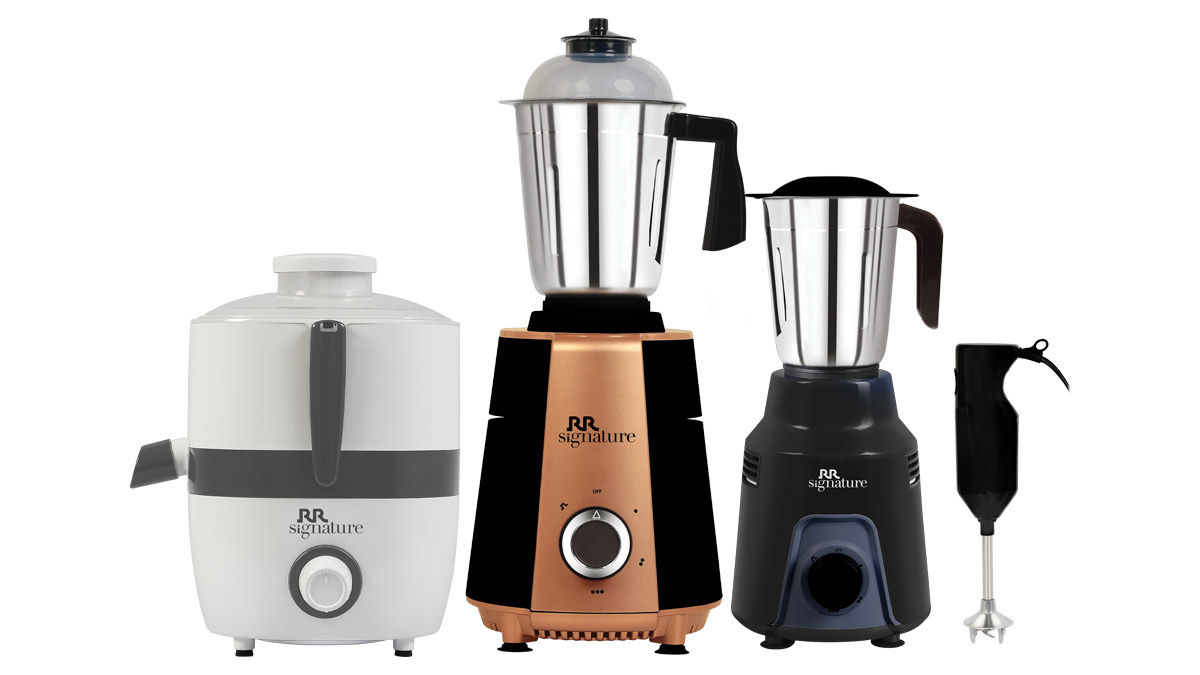
MUMBAI: RR Kabel has just cooked up something new and it’s not just another wire. The leading wires and cables manufacturer has announced a significant expansion of its Fast-Moving Electrical Goods (FMEG) portfolio by entering the kitchen appliances segment and strengthening its air coolers range under the premium RR Signature brand. The company has introduced Mixer Grinders, Electric Cooktops (both Induction and Infra-Red variants), and Hand Blenders. These products mark RR Kabel’s strategic foray into everyday kitchen essentials, allowing it to reach deeper into Indian households beyond traditional electrical categories.
The Induction and Infra-Red Cooktops are seeing particularly strong demand amid global developments affecting LPG pricing and supply. Consumers are increasingly shifting to electric cooking for its energy efficiency, precise control, and safety features. RR Signature is reinforcing its ‘Aapke Kaam Ki Baat’ promise with best-in-class warranties across the range.
The company also plans to introduce additional kitchen appliance categories in FY26-27. In parallel, it has expanded its Air Cooler portfolio with new Industrial (Semi-Commercial) models featuring higher tank capacities and superior air throw, catering to both commercial users and households seeking powerful cooling during intensifying summers.
RR Kabel executive director Mahhesh Kabra said, “Our expansion into kitchen appliances allows us to connect with consumers at more touchpoints in their daily lives, while our expanded air cooler range addresses the rising need for effective cooling solutions. These launches reflect our continued focus on quality, innovation, and market relevance.”
By stepping into kitchen appliances and enhancing its cooling solutions, RR Kabel is wiring itself more deeply into Indian homes proving that even a cables company knows how to heat things up in the kitchen and keep things cool elsewhere. The move positions the brand for broader growth as it evolves from wires to a more complete home solutions player.







