MAM
Guest column: How brands can negotiate the ‘work-from-home’ & ‘virtual’ reality of PR

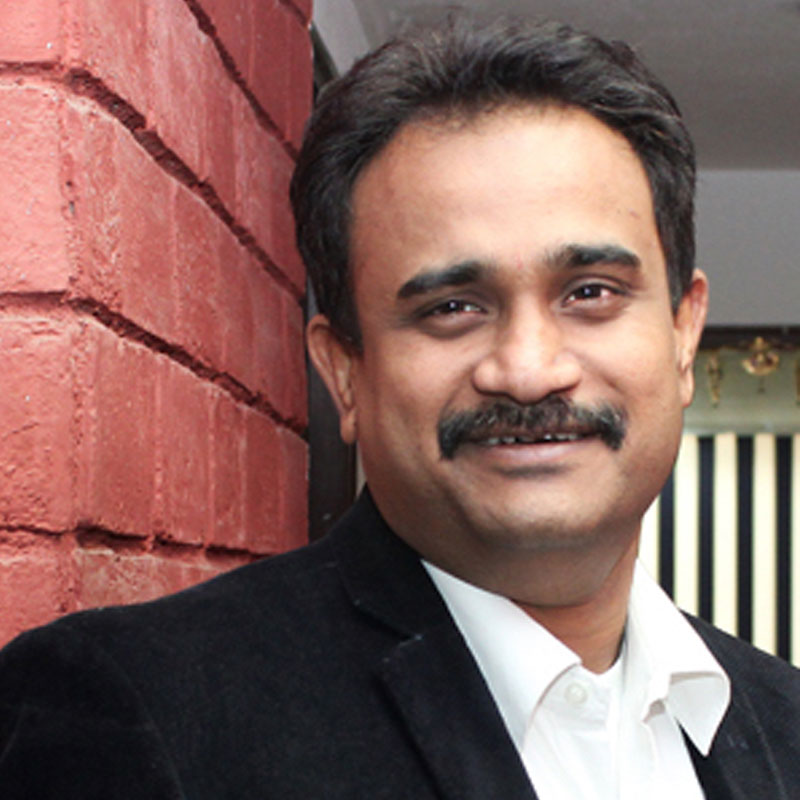
NEW DELHI: John Wooden, a renowned American ex-basketball player, coach and author, once famously said, “If we fail to adapt, we fail to move forward.” True to his saying, every change that mankind has faced has forced us to adapt and evolve, and the current Covid2019 pandemic is no different. Not only has it altered the way we take care of ourselves at a personal level to avoid contracting the ailment, but it has also impacted us financially, professionally and socially, among others.
One of the most common adaption at a professional level, unequivocally, has been implementing the practice of work from home (WFH) by organisations across geographies and scale. This is particularly true for the IT, FMCG, pharmaceutical, electronics, online retail platforms, digital lenders, start-ups, and BPO/ KPO sector. A recent report by a leading search engine company (Naukri.com) notes that the hiring of employees for a WFH job role has increased by a whopping 300 per cent since the lockdown. The enthusiasm for this ‘new normal’ has been equally reflected at employees’ end, with WFH being one of the top keywords searched.
Advantages of WFH

Aside from the safety factor, there are several other advantages of WFH. It has been observed that a significant amount of time is saved, that would otherwise be spent on travelling to work and meetings. Instead, it can, now, be used more productively and to incubate innovative solutions and ideas. WFH can also help organisations blur geographical boundaries by connecting all its stakeholders through common virtual communication and transactional platforms. Additionally, it is beneficial financially. In WFH, lower overheads, especially fixed, would be incurred and this would, eventually, prompt organisations to offer products and services at lower costs and make them more profitable and affable to its customers. Hence, post the pandemic, these factors are going to continue to encourage a multitude of organisations across sectors to reconsider a permanent WFH for some or all of its employees.
Changing dynamics of the PR landscape
Given that organisations are increasingly getting accustomed to WFH, public relations (PR), being a service-led industry, has also adopted the new norm of WFH to be on the same page as its stakeholders. The dynamic PR industry has redefined itself and has reinvented its objectives, strategies and tools to transcend to the world of ‘virtual reality’, seamlessly. Virtual models and methods are, at times, replacing and in other times, going hand in hand with traditional approaches to client servicing, media relations and other stakeholder engagements.
At a time, when client engagements can no longer happen via in-person meetings, it has to be conducted virtually. PR consultants need to maintain effective engagement with clients by sharing daily updates and various status reports in a timely manner, and schedule regular phone and video calls so that the client does not feel alienated. Key documents could be updated on shared drives to enable real-time reviewing and discussion on the way forward. It is, of course, imperative to use encrypted and trustworthy platforms to avoid leakage of confidential information or data. Time management is of key essence in WFH. It is ideal to synchronise work timings with those of the clients, to the maximum extent possible, so as to be available when the client requires your assistance and ensure that neither is eating into each other’s personal time. Virtual working has also led to merging geographical boundaries. Consultancies can now cater to existing clients, as well as onboard new ones in any location and engage virtually.
The media catches on too
It has been noted that in times of Covid, consumers are heavily relying on online and social media forums for information. This is true not just for consumers but also for the media where press conferences are now being replaced by video calls. Product launches and key announcements are taking place through social media handles of organisations. There is an even greater need for brands to post various ‘updates’ so as to maintain the brand recall in this age of information overload. It could be easy for consumers to lose interest in virtual engagement. Hence, the content to be driven on such platforms needs to be brief, relatable and highly engaging. Crisis resolution also has been redefined, since every social media participant could be a potential influencer for the brand. In the wake of this, there is a pressing need to reshape the crisis manual, timely engagement with the client, its customer or media, and address concerns promptly. All in all, a PR professional has to be well versed with digital engagement as well as the measurement metrics for gauging interest and evaluating strategies.
In the media domain, engagement has also become virtual since media rounds and meetings, one of the key relationship-building approaches are no longer feasible. There is a need to constantly engage with the media to share updates about clients, but avoid calling journalists at odd hours or expect them to check emails instantly, since WFH is a new setup for them, as well. The bottom line is to maintain a fair balance of engagement without overwhelming them.
So, how to turn this into a success story?
Last, but far from the least, WFH requires PR consultants to work in a more collaborative manner with all stakeholders, including their teams. It is vital for leaders to stay connected with teams and keep them engaged, motivated, and maintain a personal connect, beyond work. Using positive reinforcement, rather than negative, will help keep up the morale. Small gestures like celebrating achievements, occasions or simply connecting at regular frequencies, will go a long way in retaining team bonding whilst working remotely.
In a nutshell, since the end of the pandemic is indefinite, many organisations and sectors have declared, or atleast considered, WFH for its employees for at least a year. It has been observed through the passage of time that every working environment requires its own strategy to succeed. Leveraging this ‘virtual reality’ to maintain healthy relationships with all stakeholders, will enable PR consultants to assist clients to respond to new age challenges more effectively and lead the overall PR and communication industry to its growth and evolution.
(The author is founder of Value360 Communications. Indiantelevision.com may not subscribe to his views.)




MAM
Ameya Velankar steps down as Uber’s head of marketing for India & South Asia
Veteran marketer exits after more than seven years with the ride-hailing giant.
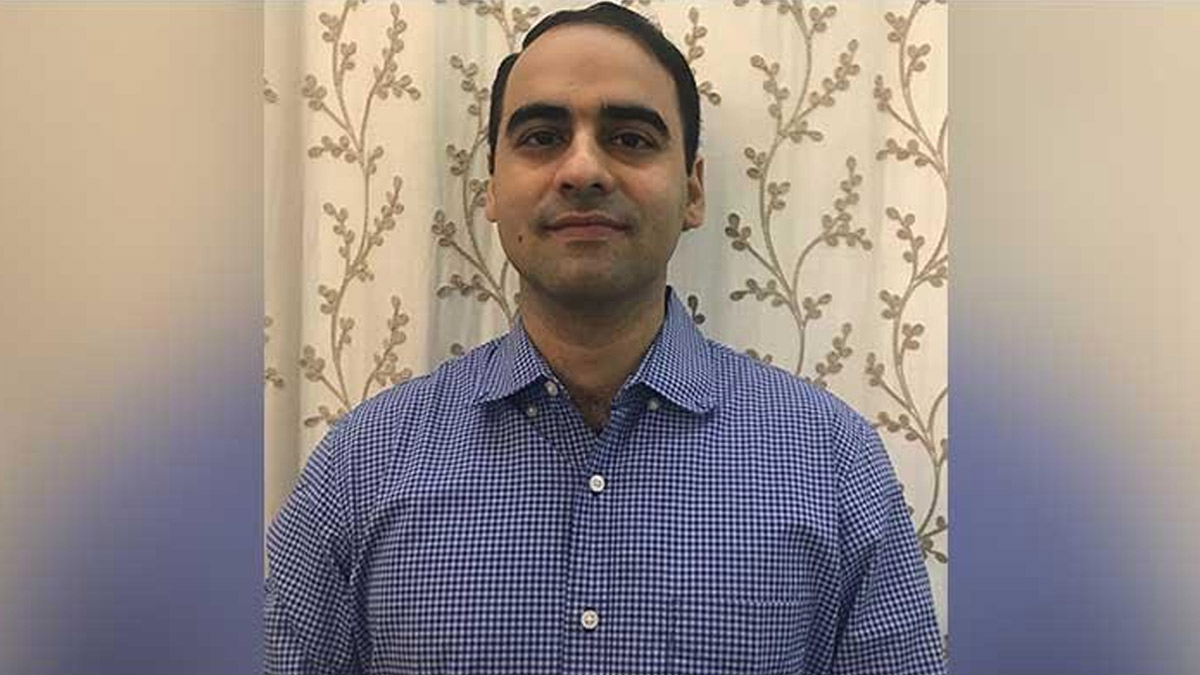
MUMBAI: After more than seven years of steering Uber through the bumpy roads of India’s mobility market, Ameya Velankar has decided to change lanes. Ameya Velankar has stepped down as Head of Marketing for India and South Asia, marking the end of a significant chapter at the ride-hailing company. He had been with Uber since 2019, taking on multiple roles in product and category marketing before rising to lead the marketing function for the region in 2021.
During his tenure, Velankar played a key role in strengthening Uber’s positioning in one of its most competitive and dynamic markets. He helped drive localised marketing strategies and scale adoption across key offerings such as Auto, Moto, Rentals and Intercity, tailoring global platforms to Indian consumer needs.
Prior to joining Uber, Velankar built his marketing expertise at leading consumer companies including SC Johnson and Marico, where he handled category and product leadership roles. His career began at RPG Enterprises.
Details of his next professional move have not been disclosed.
In a fast-evolving mobility landscape where brands constantly battle for attention, Ameya Velankar helped Uber stay relevant and resonant with millions of Indian users. As he moves on from the driver’s seat of marketing, the company will now look for fresh ideas to keep its wheels turning smoothly.






