MAM
Guest Column: Four market forces lending the power to risk in Indian TV industry


Overall, the outlook for the M&E industry is very positive and robust. This is spearheaded by continuing top performance by Television and projected unprecedented performance by digital.
Strong long term economic fundamentals driven by domestic consumption – as high as 70% of GDP- constitutes the core reason for the outlook to be rosy. This combined with delayed yet inevitable completion of digitisation with its resultant benefits. In the long run, government policies of demonetisation and GST also lending further boost to GDP would further help.
Rising share of FTA channels, even as it may pull down long term subscription revenue forecast, is expected to only contribute to the overall health of the industry.

The future very clearly revolves around digital. With the government’s unabashed push for digital consumption and digital payments, mass adoption of technology is a foregone conclusion. Digital media is no longer being viewed as an additional distribution platform but as a core revenue engine.
Investment Outlook

Driven by growth, the investment outlook through an analysis of the past as also last year 2016 is very rosy.

Key Market Force for Investments
Four key market drivers favouring India and Indian M&E industry in general and Television industry in particular, are:
- Favourable demographics
- Tremendous Market Potential
- Immense Talent Availability
- Increasing Digital consumption
Favourable demographics
Per capital income growth rate is projected to double from 2016 to 2020. India has the largest youth population in the world (350 million). Spend on leisure activities in India is projected to grow at a CAGR of 8.4% up to 2025.
Tremendous Market Potential
Traditionally urban India has been a major source of revenue. TV reach in rural markets has expanded rapidly from 78 million hhs in 2015 to 99 million in 2016 (up 27% yoy). Many TV broadcaster have therefore launched rural-specific ‘Free-to-air’ to tap the growing potential.
Immense Talent Availability
The M&E industry employs 0.6 million people as of 2016 which is likely to increase to 1.3 million by 2022. The government has set up M&E Skills Council (MESC) with a mandate to develop 1.2 million skilled workforce by 2020.
Increasing Digital consumption
Penetration of high-speed broadband and wireless internet and proliferation of low-cost smartphone devices have led to an increase in consumption of digital media content such as online media, music streaming and on-demand video streaming. Plummeting data cost will continue to support high growth in the segment, particularly in video streaming. Attracted but high growth, there has been an unprecedented increase in OTT service providers including world leaders in OTT like Netflix and Amazon.
Conclusion
Impending challenges galore. For every sub-segment of Media and entertainment industry. These relate to requirements to innovate, to evolve with this change and to evolve for building sustainable business models.
Media and entertainment companies will need to be flexible and nimble to be able to make the most of this unfolding opportunity. The long-term future for the television industry is very robust with CAGR projections above 14% for both segments of ad revenues and subscription revenues. The Indian Media & Entertainment industry is expected to leap forward after a slow 2016.
 |
(Piyush Sharma, a global tech, media and entrepreneurial leader, created the successful foray of Zee Entertainment in India and globally under the ‘Living’ brand. The views expressed here are of the writer’s and Indiantelevision.com may not subscribe to them.) |





MAM
Ameya Velankar steps down as Uber’s head of marketing for India & South Asia
Veteran marketer exits after more than seven years with the ride-hailing giant.
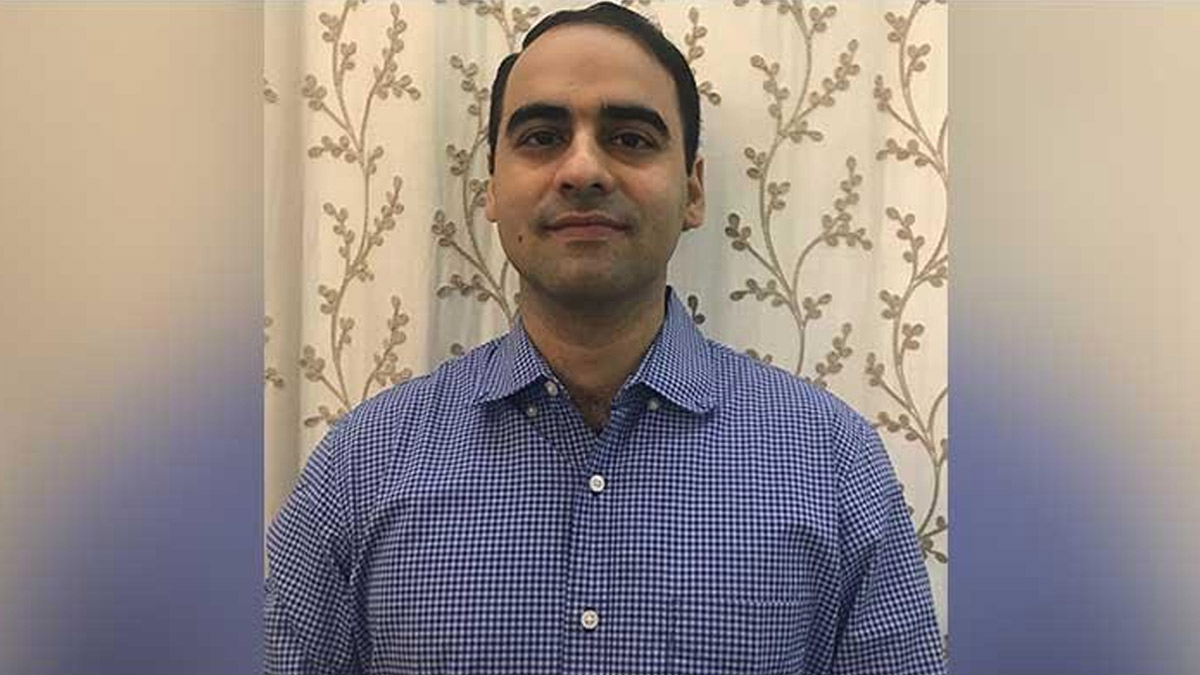
MUMBAI: After more than seven years of steering Uber through the bumpy roads of India’s mobility market, Ameya Velankar has decided to change lanes. Ameya Velankar has stepped down as Head of Marketing for India and South Asia, marking the end of a significant chapter at the ride-hailing company. He had been with Uber since 2019, taking on multiple roles in product and category marketing before rising to lead the marketing function for the region in 2021.
During his tenure, Velankar played a key role in strengthening Uber’s positioning in one of its most competitive and dynamic markets. He helped drive localised marketing strategies and scale adoption across key offerings such as Auto, Moto, Rentals and Intercity, tailoring global platforms to Indian consumer needs.
Prior to joining Uber, Velankar built his marketing expertise at leading consumer companies including SC Johnson and Marico, where he handled category and product leadership roles. His career began at RPG Enterprises.
Details of his next professional move have not been disclosed.
In a fast-evolving mobility landscape where brands constantly battle for attention, Ameya Velankar helped Uber stay relevant and resonant with millions of Indian users. As he moves on from the driver’s seat of marketing, the company will now look for fresh ideas to keep its wheels turning smoothly.






