MAM
Guest Column: ‘Cancel culture’ or ‘mob culture’ – a thin line of difference

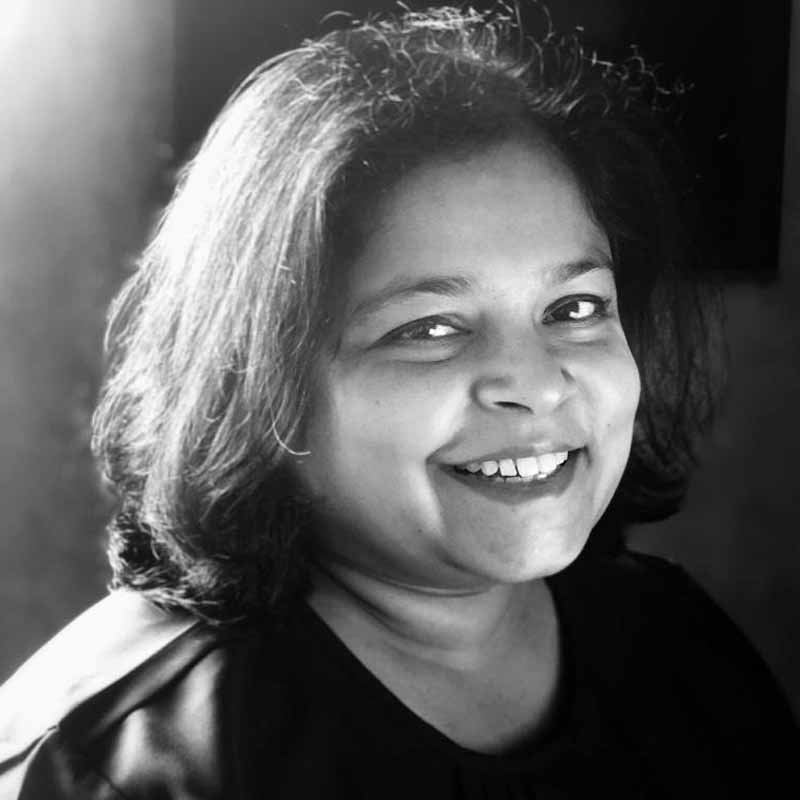
Mumbai: What is cancel culture? “Cancel culture is a way of expressing dissent or the practice of withdrawing support for (cancelling) any offensive or objectionable content or action of that person.”
Cancel culture could actually champion pro-social movements like the fight against gender discrimination or racism.
Yes, expressing disapproval and freedom of speech is our right, however, this particular culture in India has taken a malicious turn fueled by the political climate breeding intolerance.

Social media’s penetrating gaze seems like a modern form of mob rule that is bound to have major implications for brands and marketers. The internet, (in particular, social media) provides a platform to share views and offers an outlet for groups excluded from traditional institutions – such as politics, education, economy, and media – to have a say. Every citizen with access to the internet can now write an opinion piece, share their story or behave like a self-appointed member of a jury who rips apart anything that is slightly pointed or uncomfortable. This is making creatives and brands cautious about the choices they make. In fact, anything from the story to the people we use as cast, the names in the story, background setups, and even clothes can cause unrest. But the fact is if someone has to find faults, they will. You can never please everyone.
We must also remember that internet trolling is time-bound. It will fade almost as soon as the hype it creates. Ideally, brands should just wait until the dust settles. What would be even better is if a brand decides to stick to its ground because it makes a better impact and is looked at as an authentic voice as compared to a brand defending its case or actually listening to faceless trolls and pulling down a communication. Because when brands retract, then it feels as if they didn’t have conviction in what they have put out there. It also makes these trollers and haters stronger and brands weaker. Why? Well HATE is a more powerful emotion than LOVE. And that’s why for Love to win, it needs to work harder. Hate comes easy.
And brands need to understand that in today’s public viewing people feel compelled to post a response to anything and everything they see. It could be a show, an interview, or an ad.
Ever since the physical world went into lockdown, people have been spending a serious amount of time online. And this has increased the cultural impact of the internet on society and is bound to have major implications not just for brands but content in general. A single post or a tweet has the power to bring change- from forcing celebs to apologise, to bringing down the market, or holding service brands accountable, and even stirring in a big political debate. Put another way, ‘cancel culture’ represents the voice of the voiceless. But when cancel culture is used negatively, it prevents open debate which is the basis of democracy. After all, different perspectives create social progress. In an age where you comment first and think later, agencies would do better only when they think through every possible scenario before hitting the share button.
But to specifically talk about, what happened with Fabindia- it is a clear case of being brainwashed to believe that a language is being marginalised., which it isn’t. I’m sorry but this is advertising. What looks good is what sells. That’s why we use good-looking people or design things in a particular manner. Similarly, writers choose their styles. Some like hard-hitting, some poetic, and some factual. Doesn’t make any one of them right or wrong. And popular culture influences advertising, taglines. Why did Hinglish happen? Yahi hai right choice baby. Or No Ullu-Banaoing. Or Ye Dil Mange More…..What are these? Memorable, engaging and effective communication. How come we never said it was the denigration of English or Hindi? We would love to believe that this has nothing to do with the basic grain of our society but it does. We are gradually becoming haters. We all know that Hindi and Urdu have coexisted beautifully over the years. Why is it that we have a problem now? Ever given that a thought? What has changed? Who has changed? And why have we changed? We know languages evolve because of the ease of use, the sonic nature of words, or popular culture influencing the use of a mix of languages.
We must also remember that the expression – ‘Jashn-e-Riwaaz’ is meaningless. The word is ‘Riwaj’ and not ‘Riwaz’. Replacing the ‘j’ with the ‘z’ sound because someone likes the sonic feel of it is actually not cool but wrong. Riwaj means ‘ritual’ or ‘repetitive action’ which technically all festivals are. But the point is, if you as a brand believe in communication, stick to it, grow a spine, and don’t get pushed by haters and trollers to change it. Consumer activism is on the rise and brands cannot hide from it. So accept it, move on, and if need be have a crisis management process to fix it. Simple.
(Anupama Ramaswamy is the managing partner and national creative director, Dentsu Impact. The views expressed in the column are personal and Indiantelevision.com may not subscribe to them.)






Brands
YES Bank hands the keys to SBI veteran Vinay Tonse as it bets on a new era
Former SBI managing director appointed as YES Bank’s new MD and CEO
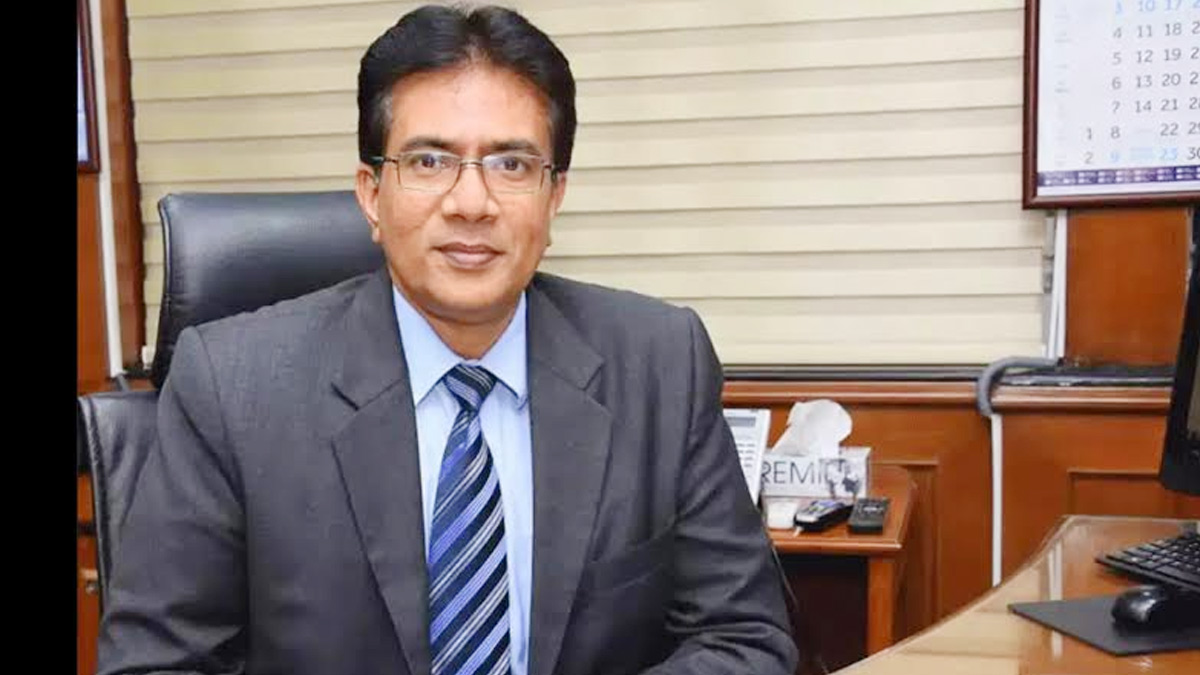
MUMBAI: YES Bank is done rebuilding. Now it wants to grow. The private sector lender has appointed Vinay Muralidhar Tonse as managing director and chief executive officer-designate, with RBI approval secured and a start date of April 6, 2026 confirmed. The three-year term signals the bank’s intent to shift gears from crisis recovery to full-throttle expansion.
Tonse, 60, is no stranger to scale. Most recently managing director at State Bank of India, he oversaw a retail book of roughly $800bn in deposits and advances, one of the largest in the country. Before that, he ran SBI Mutual Fund from August 2020 to December 2022, a stint that saw assets under management surge from Rs 4.32 lakh crore to Rs 7.32 lakh crore across market cycles. Add stints in Singapore and four years leading SBI’s overseas operations in Osaka, and the incoming chief arrives with a genuinely global CV.
His academic grounding is equally solid: a commerce degree from St Joseph’s College of Commerce, Bengaluru, and a master’s in commerce from Bangalore University.
The appointment follows an extensive search and evaluation process by the bank’s Nomination and Remuneration Committee. NRC chairperson Nandita Gurjar said the committee unanimously backed Tonse, citing his leadership track record, governance credentials and ability to drive the bank’s next phase of transformation.
Non-executive chairman Rama Subramaniam Gandhi was unequivocal. “I am certain that Vinay Tonse, with his vast experience as a senior banker, will propel YES Bank to its next phase of growth,” Gandhi said, adding that the bank remains focused on strengthening its retail and corporate banking franchises and expanding its branch network.
Rajeev Kannan, non-executive director and senior executive at Sumitomo Mitsui Banking Corporation, the bank’s largest shareholder, said Tonse’s experience across retail, corporate banking, global markets and asset management positioned him well to lead the lender. SMBC said it looks forward to working with Tonse and the board as YES Bank pursues its ambition of becoming a top-tier private sector lender anchored in strong governance and sustainable growth.
Tonse succeeds Prashant Kumar, who took the helm in March 2020 when YES Bank was in freefall following a severe financial crisis, and spent six years painstakingly stabilising the institution, rebuilding governance and restoring operational scale. Gandhi was generous: “The bank remains indebted to Prashant Kumar, who is responsible for much of what a strong financial powerhouse YES Bank is today.”
Tonse, for his part, struck a purposeful note. “Together with the board and my colleagues, I remain deeply committed to creating long-term value for all our stakeholders,” he said, pledging to build on Kumar’s foundation guided by his personal motto: Make A Difference.
Beyond the balance sheet, Tonse played cricket at college and club level and represented Karnataka in archery at the national championships — sports he credits with teaching him teamwork, situational leadership, discipline and focus. In quieter moments, he reaches for retro Kannada music, classic Hindi songs, and the crooning of Engelbert Humperdinck, Mukesh and Kishore Kumar.
YES Bank has its steady-handed rebuilder in Kumar to thank for survival. Now it has a scale-obsessed growth banker at the wheel. The next chapter starts April 6.