MAM
GUEST ARTICLE: Marketing innovations being done by alcohol companies to reach consumers and the challenges

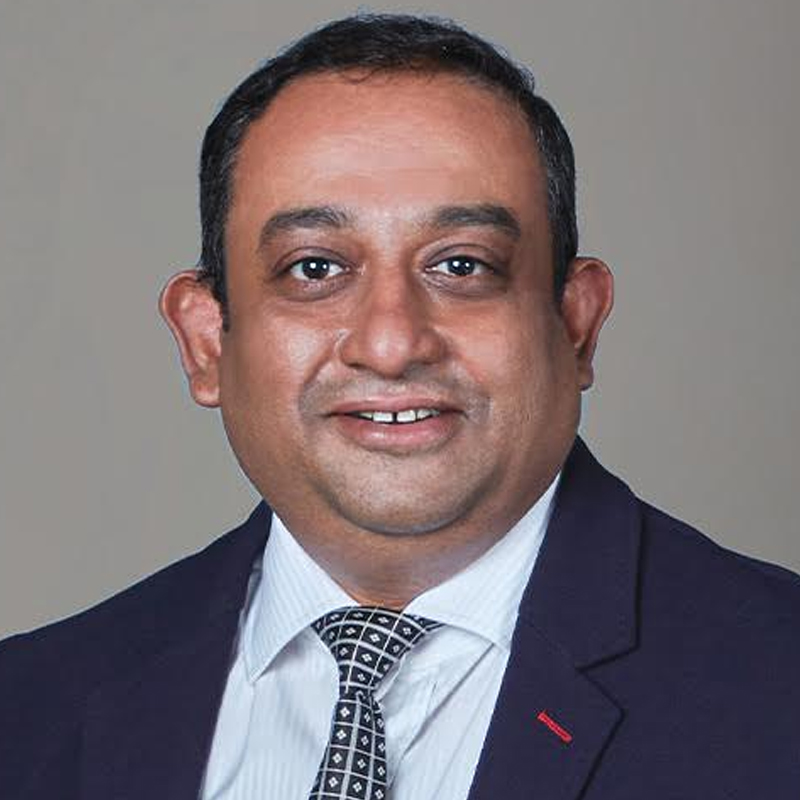
Mumbai: Allied Blenders and Distillers (ABD) is the largest Indian spirits company and the third largest by size in the country.
At ABD, we think differently. The category makes you do so, as many avenues open to consumer products marketers are not available, despite being a trending industry with consumers and a very significant revenue generator for governments. We simply can’t advertise in the media, and therefore communicating product benefits or special offers is not part of our plan. However, what it does achieve is to make marketers in alcoholic beverage organisations absorb a lot more human insights, which play a role over time in building brand personalities and positioning. Many successful brands have been able to build their communication skills, albeit over time, to engage with consumers in different ways and create a story.
A marketer in the alcohol beverage industry must be multi-faceted and equally adept at alcohol marketing as well as other categories critical to creating a surround, such as music, other performing arts, lifestyle, or large and small experiential events. The marketer should be able to join the invisible dots to create a big picture while working on every detail. The person should also be able to wade through a very strong regulatory environment for actual product labels and mandatory requirements as each state has a different set of rules which change almost every year.

In India, the alcohol consumer does visit the retail and on-premises (bars, pubs, etc.). Engagement in these places is positive. While it’s low on time in traditional retail, modern trade allows for browsing and a better consumer experience. On-premises is great for engagement as the consumer is there for an extended time. Brand visibility, awareness and recall are also achieved through sponsorships, mostly of sports and performing arts, with line extensions, which must be played by a rulebook. Communication has added responsibilities in this category, and all major organisations understand that well.
The best way to engage consumers is through product innovations. India is primarily a whisky-consuming country, other than a couple of states in the South, which predominantly drink brandy. Limited editions, flavours, low alcohol products, craft spirits and beer are all finding their feet and engaging new consumers. It builds curiosity in a category that is normally close to the hearts of its consumers.
ABD has just launched some very disruptive products with Srishti Premium Whisky with an infusion of curcumin, the active ingredient of turmeric or haldi. Interestingly, the infusion has no change in the sensorial; that is, in taste, aroma, or colour.
At ABD, we also launched Sterling Reserve B7 Whisky Cola. We’ve used the award-winning whisky blend and infused it with cola to add a zing to every drinking occasion. The whisky cola mix retains the colour of whisky in the bottle, in a glass with water, soda or when consumed as a shot. It is sure to appeal to the younger audience.
The ABD MetaBar is the first ever. It’s our presence in the metaverse, and we put out our recent mainline launch of ICONiQ White Whisky first on the MetaBar prior to our physical market launch. It exemplifies how innovative thinking as a marketer can push different routes and position a brand and a company differently while opening our minds to a future that is almost unreal but so very real.
The author of this article is Allied Blenders and Distillers chief strategy, marketing and business development officer Bikram Basu.




Brands
Jubilant FoodWorks faces Rs 47.5 crore GST demand, plans appeal
Tax authorities flag alleged misclassification of restaurant services
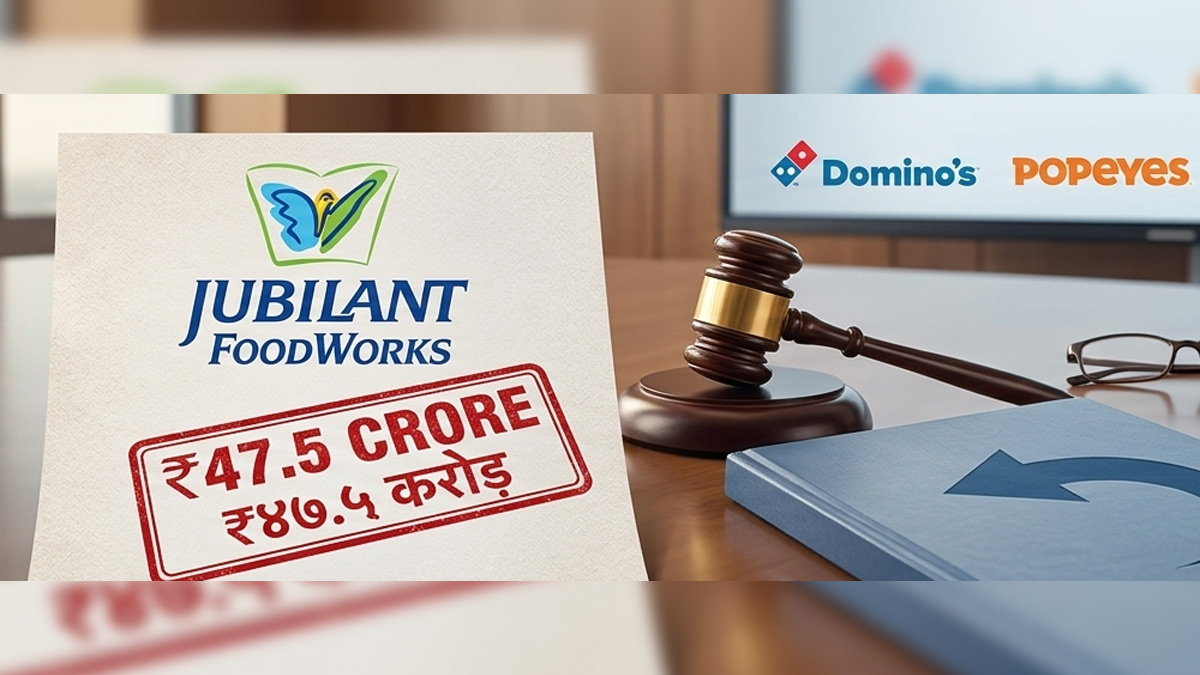
MUMBAI: Jubilant FoodWorks Limited has landed in a tax tussle after receiving a GST demand of Rs 47.5 crore from the office of the additional commissioner of CGST and central excise in Thane, Maharashtra.
The order, issued under the provisions of the Central Goods and Services Tax Act, 2017, relates to an alleged incorrect classification of certain services under the category of restaurant services. According to the tax authorities, this classification resulted in a short payment of goods and services tax for the period between the financial years 2019-20 and 2021-22.
The demand includes Rs 47.5 crore in GST along with an equal amount as penalty, in addition to applicable interest. The order was received by the company on March 13, 2026.
In a regulatory filing to the BSE Limited and the National Stock Exchange of India Limited, the company said it disagrees with the order and believes its arguments were not adequately considered.
The company is preparing to challenge the decision and plans to file an appeal. It added that once the redressal process is complete, the demand is likely to be dropped.
Despite the sizeable figure attached to the notice, the company said it does not expect any material impact on its financials, operations or other activities.
The disclosure was signed by Suman Hegde, EVP and chief financial officer, who confirmed that the company received the order at 19:06 IST on March 13 and has already initiated steps to contest it.
The development places the quick service restaurant major in the middle of a tax debate that could hinge on how certain restaurant-linked services are classified under GST rules. For now, the company appears ready to take the matter from the tax office to the appeals desk.