MAM
Groupm rolls out a global framework for media decarbonization


Mumbai: WPP’s media investment group, GroupM, has introduced the approach that it will take to measure & reduce ad-based carbon emissions using a newly developed global carbon measurement framework.
The framework is an innovative, new set of measurement methodologies designed to break down the media value chain & define the necessary data inputs to measure carbon emissions across all five stages of the advertising life cycle for all formats, channels and markets in accordance with the Greenhouse Gas Protocol’s standards.
The establishment of a globally scalable approach to carbon measurement is a major step GroupM is taking to deliver on its commitment to decarbonize its media supply chain by 2030, as announced by WPP in April 2021. It provides the parameters, data inputs and methodology necessary to power what we believe to be the industry’s most robust global carbon calculator, which will be available to GroupM clients later this year and will allow media planners to map the total carbon footprint of advertising campaigns from development to delivery.

Speaking about it, GroupM global CEO Christian Juhl said, “Our clients want to prioritize media investment with publishers and platforms that are actively decarbonizing their media supply.”
Juhl added, “While we applaud the many steps taken to quantify ad-based carbon emissions in recent years, having different standards across companies, platforms, and markets is delaying meaningful action. By sharing this global framework, we hope to begin aligning our industry behind a consistent set of standards that will create clear goals and incentives for rapidly decarbonizing the media supply chain.”
AXA media performance insights director Jérôme Amouyal said, “We have seen that our industry has an increasing number of calculators, but not an aligned reduction plan. It is important that we as a collective get behind a robust, actionable solution that accelerates decarbonization. We believe that market approaches such as GroupM’s will lead the way in educating, informing and enabling vital change in the industry. We’re looking forward to working with them to have the right framework to inform our future buying decisions.”
To develop its decarbonization framework, GroupM worked with independent specialists in carbon measurement and incorporated input from clients, industry partners, third parties, and experts across GroupM and WPP. In addition to providing standards and processes for measuring carbon emissions, the framework also outlines steps advertisers can take immediately to accelerate their decarbonization efforts. These include buying fewer but higher-quality ads, cutting the complexity of the supply chain by reducing intermediaries, and buying low-carbon media products.
To encourage the establishment of industry-wide standards for carbon measurement across channels and formats, GroupM will make the methodologies and processes supporting its new framework available to industry bodies and organizations committed to decarbonizing the media supply chain, setting a target approved by the Science Based Targets initiative (SBTi).
Ad Net Zero chair Sebastian Munden said, “Action 3 of the Ad Net Zero action plan is all about getting the whole industry to the point where we can accurately track, report and therefore reduce the carbon footprint of all media channels. This is no easy task, especially as we scale the efforts of Ad Net Zero globally. We would need an agreed standardized approach that works for all parts of the ecosystem: advertisers, agencies, media and tech. This move by GroupM is hugely welcome, and a very timely development to help deliver those aims. Through the new Ad Net Zero Global Group recently announced at Cannes Lions, we will explore how this approach can be scaled right across the industry.”







MAM
Beacon Group appoints Dr Rajesh Patel as Group CEO
36-year healthcare veteran to lead Beacon Diagnostics, Vector Biotek, Biogeny.
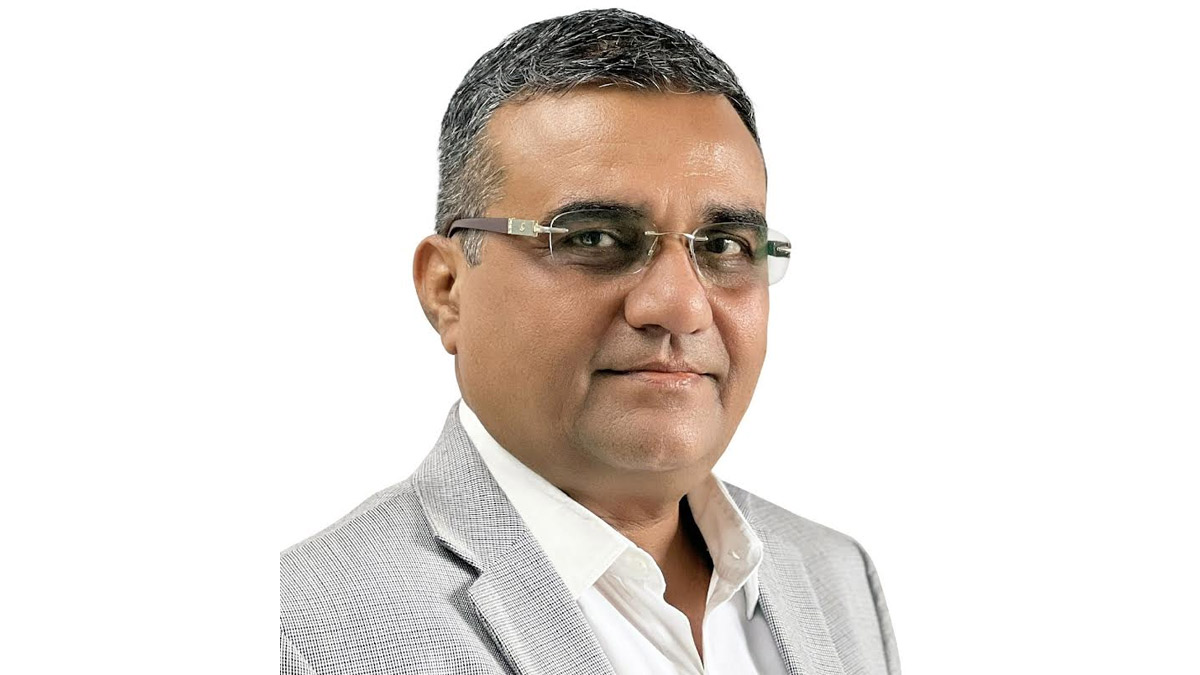
MUMBAI: A new chief, a fresh diagnosis and a sharper prescription for growth. Beacon Group has appointed Dr Rajesh Patel as its Group Chief Executive Officer, effective April 1, 2026, signalling a decisive push to scale its presence in the diagnostics and IVD space. Patel steps into the role with 36 years of experience across the healthcare and diagnostics industry, bringing a career shaped by leadership roles spanning sales, marketing, business development and operational strategy. His mandate is both expansive and precise: to steer the group’s overall strategic direction while tightening coordination across its three core entities Beacon Diagnostics, Vector Biotek and Biogeny Diagnostics.
In practical terms, that means driving cross-company synergies, accelerating market expansion and strengthening organisational capability areas increasingly critical as diagnostic players compete for scale in a fragmented yet rapidly evolving healthcare ecosystem. The group is positioning itself to capture unmet demand across chain laboratories, key accounts and standalone labs, segments that remain underserved despite growing diagnostic needs.
The appointment comes at a time when the In Vitro Diagnostics (IVD) sector in India is entering a more competitive and innovation-led phase, with companies focusing not just on product pipelines but also on service delivery, integration and customer-centric models. Beacon’s leadership appears to be betting that Patel’s execution-focused approach can help translate ambition into operational momentum.
Welcoming the appointment, Chairman Dr D K Joshi described Patel’s induction as a strategic move aligned with the group’s long-term vision, emphasising the role of leadership depth in navigating the next phase of growth.
For Beacon Group, the message is clear, in a sector where precision matters, leadership is the new differentiator—and this appointment is intended to set the tone for what comes next.






