
Brands
Google says Gemini AI cuts irrelevant ads by 40 percent
AI driven search and ad tools boost relevance and results for brands.


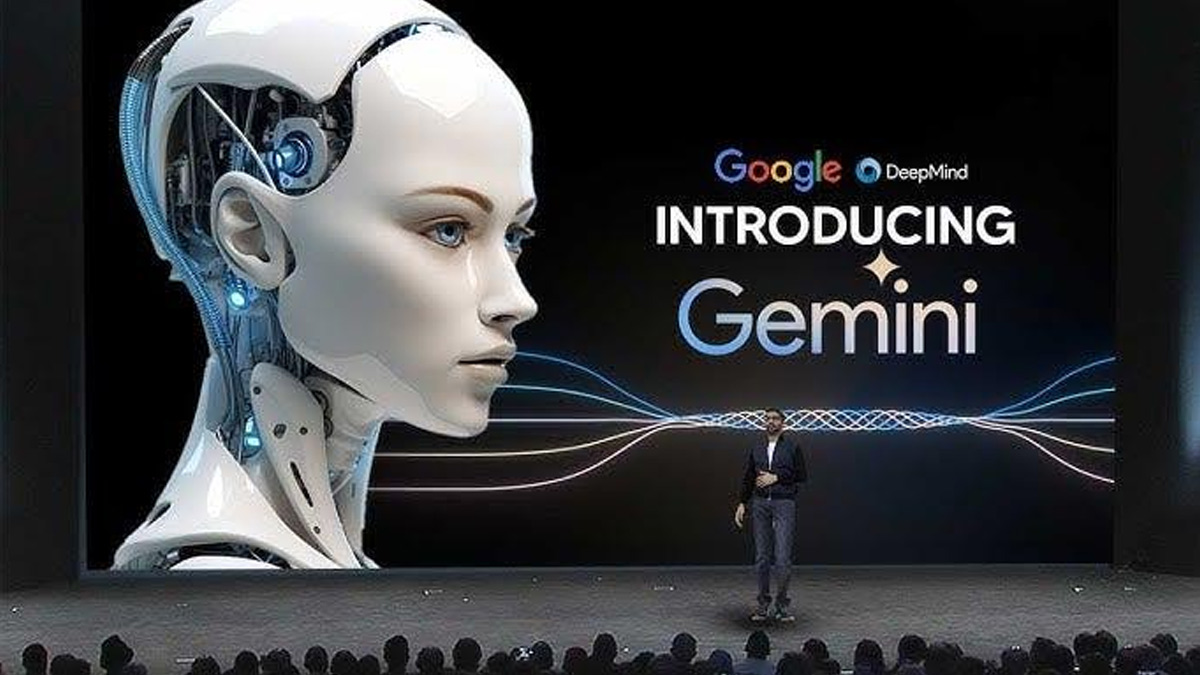
MUMBAI: In the never ending hunt for the right ad at the right moment, artificial intelligence may finally be sharpening the aim. Google says the integration of its multimodal AI models, Gemini, has reduced irrelevant advertisements across its platforms by 40 percent, as improved query understanding allows ads to match user intent more closely.
Speaking at a roundtable on Thursday, Google vice president of Global Ads Dan Taylor said the company has been steadily deploying Gemini powered upgrades to interpret complex search queries more accurately. “We have been making Gemini based improvements to query understanding at a rate of almost one launch per month over the last two years. As the models improve and our ability to deploy them improves, ad quality continues to get better,” Taylor said.
The improvements come as Google leans deeper into AI driven advertising tools. According to the company, 2025 saw a threefold increase in Gemini generated creative assets produced by advertisers using its AI powered ad solutions.
The company also highlighted how these tools are influencing marketing performance for brands in India.
Insurance marketplace Policybazaar recorded a 28 percent rise in health insurance sales while reducing cost per sale by 23 percent after adopting AI Max, a tool that interprets natural language search queries to improve ad targeting.
Meanwhile, hospitality platform OYO reported 50 percent higher return on ad spend (ROAS) and a 25 percent reduction in cost per acquisition after combining its existing search campaigns with Google’s Performance Max (PMax) advertising campaigns.
Taylor noted that evolving consumer behaviour is also reshaping how brands approach digital advertising. According to Google’s data, 86 percent of shoppers in India using Google Search said they were open to trying new brands or products, suggesting that AI driven discovery tools could increasingly influence purchase decisions.
Beyond advertising, Google is also investing in what it calls agentic commerce, an emerging model where AI agents autonomously assist users in discovering, comparing and purchasing products online.
“Our goal with agentic commerce is twofold, first, to remove the grunt work of shopping so consumers can focus on the fun parts; and second, to work hand in hand with the industry to build the foundations needed to make agentic commerce seamless and secure across the web,” Taylor said.
The push into AI enhanced advertising and commerce comes as Google’s core ads business continues to grow. The company recently reported $82.28 billion in advertising revenue, marking a 13.5 percent year on year increase.
For advertisers navigating an increasingly crowded digital landscape, Google is betting that smarter algorithms and sharper intent signals will make ads feel less like interruptions and more like timely suggestions.






