MAM
Goldmine Advertising wins social & digital media mandate for Canara Bank

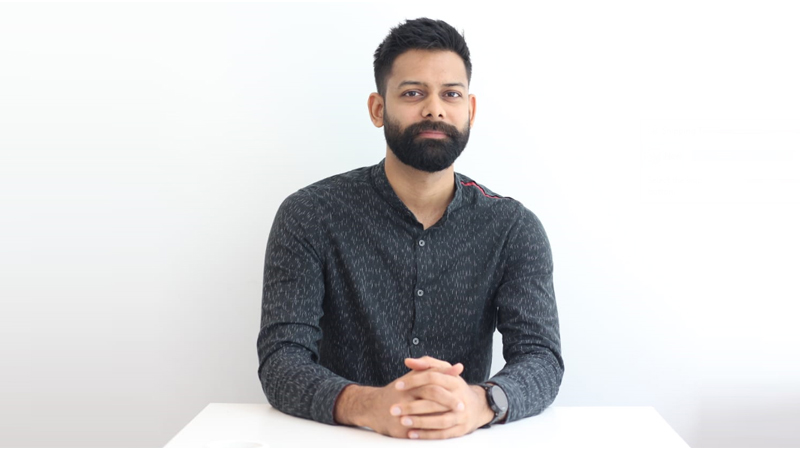
Mumbai: Goldmine Advertising has won the social and digital media mandate for Canara Bank, one of India’s leading public sector banks. This strategic partnership empowers Goldmine to amplify the bank’s digital presence, establish deeper connections with audiences, and enhance its rapport with younger consumers, positioning Canara Bank as a forward-thinking leader in the digital space.
Goldmine Advertising will lead the development and execution of comprehensive social media strategies, ensuring Canara Bank’s digital presence resonates with today’s tech-savvy banking consumers. The agency will strengthen the bank’s visibility and engagement across key social media platforms, including Facebook, Instagram, X (formerly Twitter), LinkedIn, and YouTube. Additionally, Goldmine will focus on community building, online reputation management, and implementing SEO strategies to help Canara Bank stay competitive in an ever-evolving digital landscape.
Goldmine Advertising, CEO, Pratik Singla shared his excitement about the collaboration: “Canara Bank is a prestigious legacy brand with a nationwide reach. This partnership strengthens our BFSI portfolio and presents an exciting opportunity to leverage our expertise to enhance their social media presence. Our teams are excited to craft impactful campaigns and push creative boundaries with our in-house content studio and digital media experts.”

With a strong focus on the BFSI sector, Goldmine brings valuable experience to the table, having worked with top-tier banks including Indian Bank, Union Bank of India, Punjab National Bank, Bank of Baroda, and many others. This expertise is key to driving Canara Bank’s digital transformation and ensuring its continued success in the digital realm.






MAM
Ameya Velankar steps down as Uber’s head of marketing for India & South Asia
Veteran marketer exits after more than seven years with the ride-hailing giant.
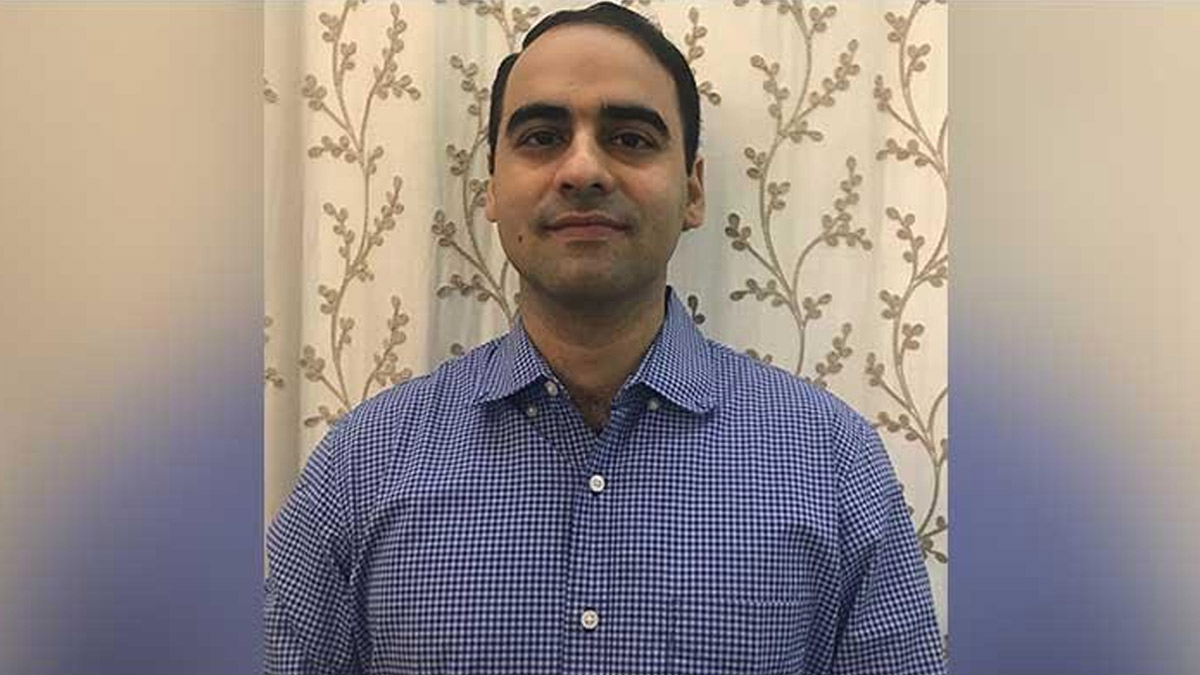
MUMBAI: After more than seven years of steering Uber through the bumpy roads of India’s mobility market, Ameya Velankar has decided to change lanes. Ameya Velankar has stepped down as Head of Marketing for India and South Asia, marking the end of a significant chapter at the ride-hailing company. He had been with Uber since 2019, taking on multiple roles in product and category marketing before rising to lead the marketing function for the region in 2021.
During his tenure, Velankar played a key role in strengthening Uber’s positioning in one of its most competitive and dynamic markets. He helped drive localised marketing strategies and scale adoption across key offerings such as Auto, Moto, Rentals and Intercity, tailoring global platforms to Indian consumer needs.
Prior to joining Uber, Velankar built his marketing expertise at leading consumer companies including SC Johnson and Marico, where he handled category and product leadership roles. His career began at RPG Enterprises.
Details of his next professional move have not been disclosed.
In a fast-evolving mobility landscape where brands constantly battle for attention, Ameya Velankar helped Uber stay relevant and resonant with millions of Indian users. As he moves on from the driver’s seat of marketing, the company will now look for fresh ideas to keep its wheels turning smoothly.






