MAM
Goafest Creative Abby judging begins in full earnest


MUMBAI: The Goafest Creative Abby judging began in full swing at Mumbai with juries being appointed in different verticals. The Jury chairs were released by the Goafest Creative Abby Award Governing Council.
Taproot’s Santosh Padhi will be chairing the Abby Print and Print Craft Jury this year. Publicis’ Bobby Pawar returns after a gap of five years to head the Abby Film Jury. Contract India’s Ashish Chakravarty is Jury Chair of Radio and Radio Craft Abby, while ideasatwork’s Prashant Godbole is heading the Out of Home (OOH) and Ambient Abby Jury. Scarecrow’s Manish Bhatt is heading the Integrated Abby Jury.

Chairing the Creative Abby Direct Jury this year is Pi Communication’s Rakhshin Patel. KA Advertising and Design’s Prashant Kanyalkar is the Jury Chair in Design Vertical of Creative Abby. Hungama’s Carlton D’Silva is the Jury Chair for Digital Abby, while White Light Moving Picture’s Namita Roy Ghose is heading the Film Craft Abby Jury.
DDB Mudra’s Aneil Deepak is the Jury chair in brand activation and promotion Abby Jury. Big Synergy’s Anita Kaul Basu is Jury chair in branded content Abby, whereas Madison PR’s Paresh Chaudhry headed the Public Relations Abby Jury. On the other hand, Network 18’s Avinash Kaul led the Broadcasters Abby Jury, while Sakal’s Shailesh Amonkar is Jury chair of Publishers Abby.
Ad Club president Pratap Bose said, “Our heartfelt thanks to the Jury members who gave their time and passion debating the selection of winners.”
Abby Awards Governing Council member in charge of Jury appointments and judging Ajay Chandwani added, “We are very fortunate to have the time and cooperation of very high powered juries in each of the verticals. Many of our jury chairs and judges have been judging at major international festivals over the years. An award derives its prestige from the standards set by juries and Abby has indeed retained its leading status in India.”






MAM
WPP appoints Estée Lauder’s Anne-Isabelle Choueiri as chief transformation officer
Former Estée Lauder executive to lead operations, technology and culture overhaul under WPP’s three-year growth plan
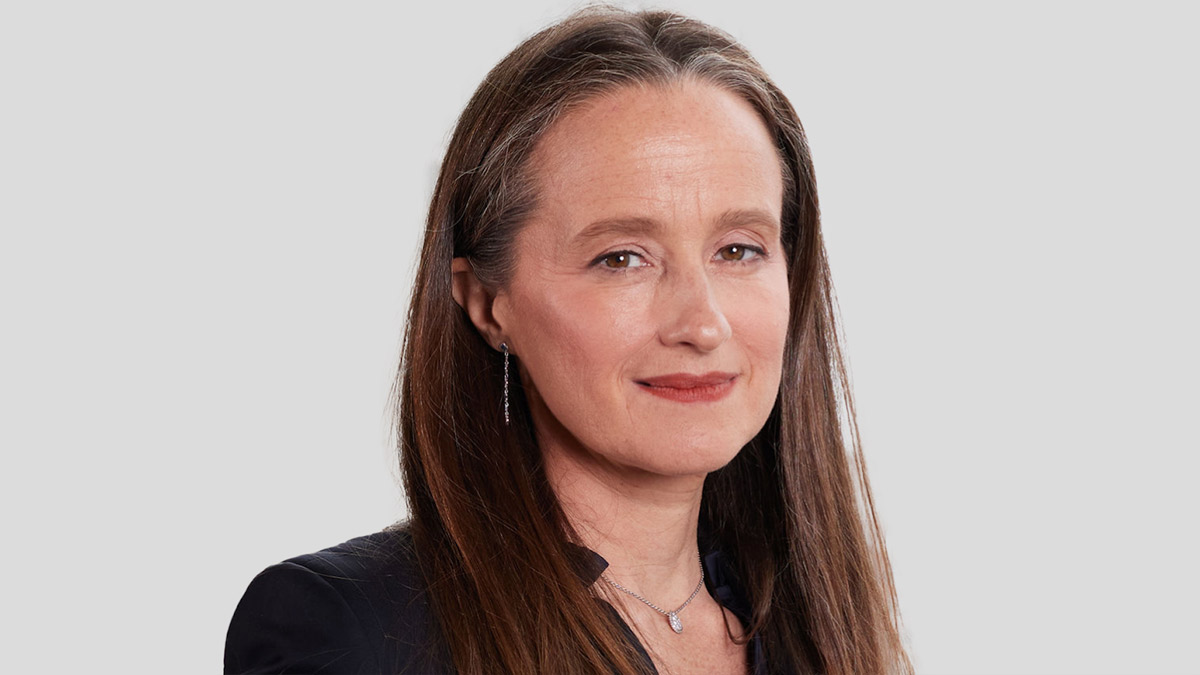
LONDON: WPP has appointed Anne-Isabelle Choueiri as chief transformation officer in a newly created role tasked with delivering the group’s Elevate28 strategy.
Choueiri joins from The Estée Lauder Companies, where she led enterprise-wide strategic initiatives, including the “One ELC” operating model and major upgrades to enterprise marketing, data and analytics capabilities. She also led the redesign of enterprise technology teams and served on the company’s AI taskforce, driving AI strategy, adoption and value realisation across the business.
At WPP, she will be responsible for designing, implementing and embedding the operating model behind Elevate28, the company’s three-year growth plan unveiled in February 2026. She will lead efforts to improve innovation, efficiency and integration across WPP’s client offerings, with a focus on delivering agile, outcome-driven solutions and measurable growth.
Choueiri will oversee organisational transformation across the group, working closely with product and enterprise technology teams to deploy AI, data and technology to build new capabilities and improve operational performance. She will also work with the people function to embed cultural change, strengthen an agile performance mindset and support talent development across the organisation.
Before joining Estée Lauder, she held senior roles across consulting and digital agencies, including at Accenture, Masaï (a Bain & Company spin-off), and Kearney, with experience spanning strategy, data and digital marketing transformation.
Cindy Rose, chief executive officer of WPP, said Choueiri brings a strong track record of leading large-scale transformation across operations, technology and culture, adding that her appointment will help accelerate the group’s next phase of growth under Elevate28.
Choueiri said WPP’s strategy represents an ambitious opportunity to reshape how the company operates and delivers for clients, adding that she looks forward to building integrated solutions and fostering a culture of innovation and change.
She will be based in New York and will join WPP’s executive committee.







