Ad Campaigns
Give Subtitles to ‘Suicide’, a step to combat rising suicide numbers

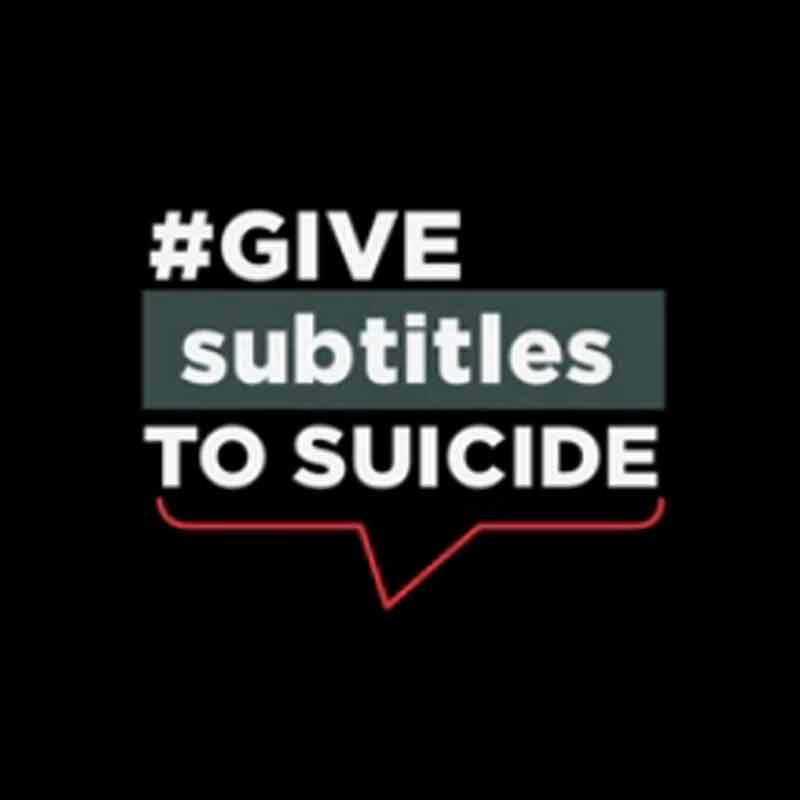
MUMBAI: With the aim to highlight this issue and mark ‘World Suicide Prevention Month’, Suicide Prevention India Foundation, an NGO creating awareness about suicide prevention and WATConsult, the digital and social media agency from Dentsu Aegis Network, launched a campaign, ‘#GiveSubtitlesToSuicide’.
According to World Health Organization (WHO) suicide is an emerging and a serious public health issue in our country. The most vulnerable and affected age group is between 15-29 years. The suicide mortality rate per 100,000 population in India is 15.7 while the global average is 10.7.
The campaign focuses on the importance of identifying suicidal signs among the near and dear ones, as most of the people fail to identify these signs, while some who understand, don’t know how to deal with them.

Launched digitally, the campaign leverages the popular ‘subtitles’ feature on YouTube and Facebook. The campaign video revolves around the life of 5 college friends, has to be watched twice, first without and then with subtitles. When watched with subtitles, it showcases the fact that how some obvious suicidal signs get overlooked unintentionally and lead to suicide.
The agency also created a website to promote the ‘QPR Gatekeeper Training Program’ by Suicide Prevention Foundation India that trains a person to identify people at the risk of suicide by recognizing early signs, providing necessary intervention and access to mental health services. The NGO will also be conducting offline activities with various colleges to create awareness and educate students about the programme.
Rajiv Dingra, Founder and CEO, WATConsult commented, “As per the reports and statistics, suicide has been increasing at an alarming rate. We wanted to not only create awareness, but also provide support to the people in need; before it’s too late. We are glad to partner with Suicide Prevention India Foundation and urge people to sign up for the QPR Gatekeeper Training Programme that helps identify early signs of suicide, take corrective action and save lives.”
Nelson Vinod Moses, Suicide Prevention India Foundation said, “Student suicides have gone up 52 percent between 2007 and 2016. We wanted to throw the spotlight on how a community-based approach involving the Gatekeeper program can lead to more awareness, increased help-seeking and reduction in suicides. All of us can play a role in preventing suicides, all we need is the training to recognize signs, make interventions, and help them get the required help. We have a tie-up with US-based QPR Institute, the world leader in suicide prevention training to market their suicide prevention training program in India.”
Adding further he said, “The concept that we are exploring is simple but very powerful. Those with suicide ideation give out signs or talk about it, either directly or indirectly to a friend, classmate, family member, or colleague. But most of us are unable to pick up these signs, and even if we are told directly that the person is contemplating suicide, we don’t have the necessary knowledge or skills to be able to deal with someone who’s suicidal. #GiveSubtitlesToSuicide is about learning how to pick up signs of suicide, respond with kindness and concern, persuade those who are depressed or suicidal to get help, and then refer them to a place or person where they can get that help. All it takes is 60 minutes of Gatekeeper training to help someone who’s feeling suicidal and potentially saving a life.”
The campaign is also being supported by MissMalini, an Indian digital influencer, TV host, entrepreneur and best-selling author, who launched the campaign on her social media pages and has been creating a buzz on her digital portal MissMalini.com.
Indraprastha College for Women, University of Delhi, supports this campaign under its Mental Health Awareness initiative, and has made its premises available for shooting this film.



NATIONAL: Amazon Ads has laid out a sharply tech-led vision for the advertising industry in 2026, arguing that artificial intelligence, streaming TV and creator partnerships will combine to turn brand building into a more precise, performance-driven business.
At the heart of the shift, the company says, is the fusion of AI with Amazon’s vast trove of shopping, browsing and streaming signals, allowing advertisers to move beyond blunt reach metrics to campaigns designed around real customer behaviour.
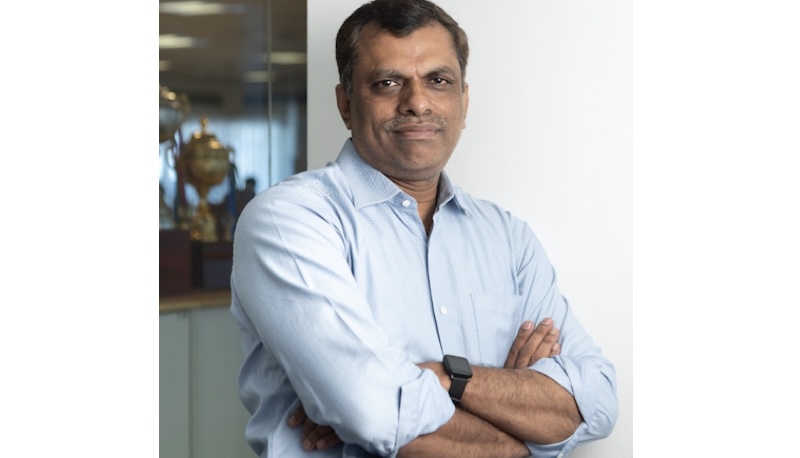
“The future of advertising is not about reaching more people, but the right people with messages that resonate,” said Amazon Ads India head and vice president Girish Prabhu. “By combining AI with deep customer insights, we help brands move from broadcasting campaigns to having meaningful conversations wherever audiences spend their time.”
One of the biggest changes, according to Amazon Ads, will be the collapse of the wall between media planning and creative development. Retail media, powered by first-party data, is increasingly shaping everything from brand discovery to final purchase, pushing marketers to design campaigns around audience insight rather than internal instinct.
AI is also moving from a support tool to a creative engine. Agentic AI, which automates and accelerates production, is expected to make high-quality creative accessible even to small businesses, compressing weeks of work into hours and giving challengers the ability to compete with larger brands on speed and scale.
Behind the scenes, AI-driven analytics will take on a bigger role in campaign optimisation, identifying patterns, spotting opportunities and recommending actions that would previously have required teams of analysts.
Streaming TV is another big battleground. With India’s video streaming audience now above 600 million and connected TV users at 129.2 million in 2025, advertisers are set to treat streaming not just as a branding channel but as a performance engine, measured increasingly by sales, sign-ups and bookings rather than just reach.
Finally, Amazon Ads sees creators and contextual advertising reshaping how brands tell stories. Creators will act less like influencers and more like long-term partners, while scene-aware ads on streaming platforms will allow brands to insert hyper-relevant offers into the flow of what viewers are watching.
Taken together, Amazon Ads argues, these shifts mark a move towards advertising that is both more human and more measurable, where AI handles the complexity, and creativity does the persuading.






