Ad Campaigns
Gillette celebrates International Men’s Day with a new campaign #ManEnough

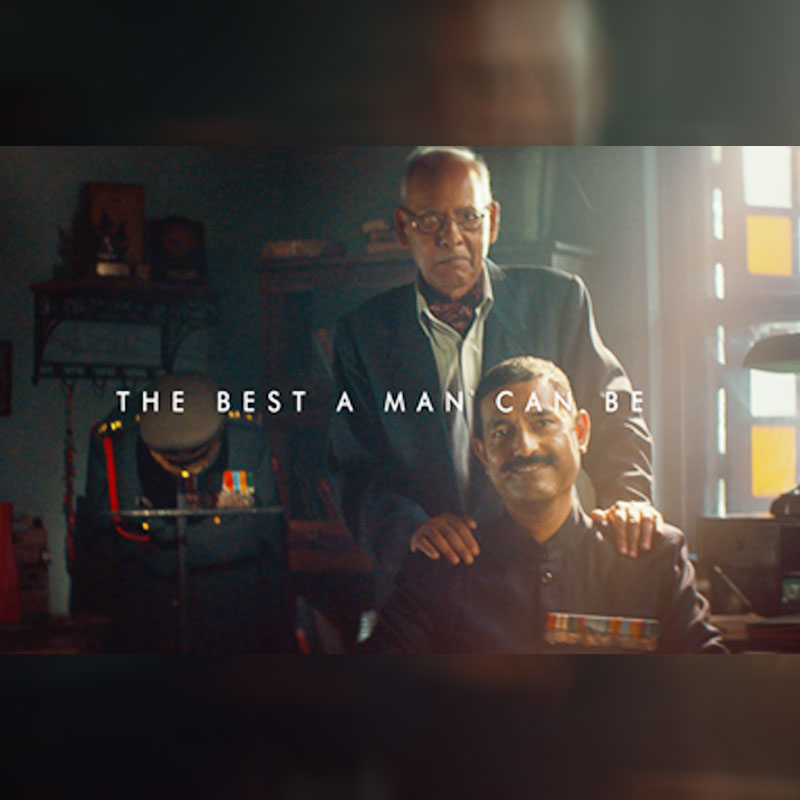
MUMBAI: For over a hundred years, Gillette has aimed to make men look, feel & Be their best. In this journey, the brand has continually challenged stereotypes about men, most recently with #BarbershopGirls campaign. In its latest campaign on #ShavingStereotypes, Gillette asks the question – Why don’t men show their tears? The brand challenges the enduring stereotype on why men are taught to not show their vulnerability, not to show their emotions, not to cry because it makes them weak.
SM (Retd), Lt Col, Manoj Kumar Sinha,s heartfelt story- Gillette with its second edition of #ShavingStereotypes, says that it is okay for Men to Cry. Men expressing their vulnerability through tears is being #ManEnough. As a leading male brand, Gillette aims to pave the way for men to re-think their notions of masculinity and strength.
Told through the real-life tribulations of a father & son, it traces their journey from being beholden to this stereotype to breaking it and accepting that showing their tears and vulnerability makes them stronger. Their story echoes what we seek to advocate at Gillette- That it takes courage to be the best we can be.

As a part of the broader campaign, we ask one simple question- ‘When was the last time you cried?’. In a society where crying is often perceived as a sign of weakness, encouraging men to talk about the last time they cried attempts to shatter this stereotype. With #ManEnough, we also pledge to take this message to more than 2 million young men across the country through the Gillette Mach 3 Achiever’s Academy.
Grey Group, Chief Creative Officer Sandipan Bhattacharyya commented, “Gillette, as a leading male brand and advocate for men, believes in igniting conversations that raise and inspire the future generation of men. With #ManEnough, we want men breaking free of notions that crying makes them weaker, and that it takes courage to show your vulnerability”
Speaking on the campaign, Grooming Indian Sub-Continent at P&G, Country Category Leader, Karthik Srivatsan said, “Lt. Col. Manoj Kumar (Retd.) and his father are true heroes who’ve shown us that when we get past stereotypes that constrain us, we can emerge stronger together. Gillette salutes their spirit and is proud to have had the opportunity to be part of their journey. We are committed to Gillette being a Force for Good and want to continue to bring real life positive stories of men, and play a role in influencing culture. Our actions need to set the right standards for the boys of today to be men of tomorrow.”





NATIONAL: Amazon Ads has laid out a sharply tech-led vision for the advertising industry in 2026, arguing that artificial intelligence, streaming TV and creator partnerships will combine to turn brand building into a more precise, performance-driven business.
At the heart of the shift, the company says, is the fusion of AI with Amazon’s vast trove of shopping, browsing and streaming signals, allowing advertisers to move beyond blunt reach metrics to campaigns designed around real customer behaviour.
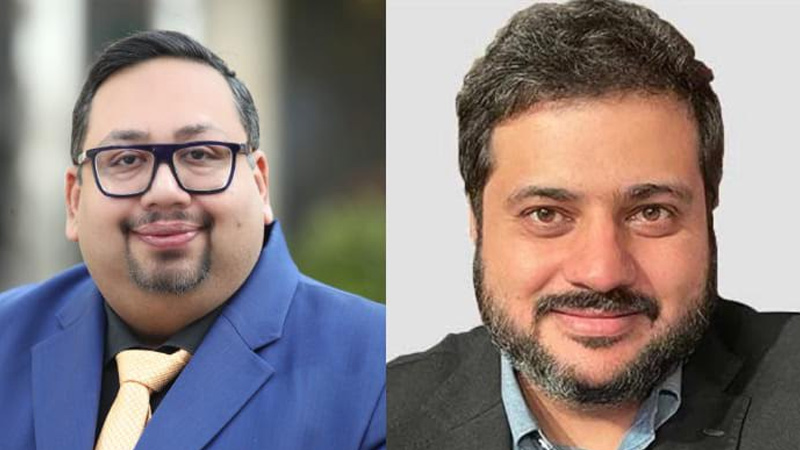
“The future of advertising is not about reaching more people, but the right people with messages that resonate,” said Amazon Ads India head and vice president Girish Prabhu. “By combining AI with deep customer insights, we help brands move from broadcasting campaigns to having meaningful conversations wherever audiences spend their time.”
One of the biggest changes, according to Amazon Ads, will be the collapse of the wall between media planning and creative development. Retail media, powered by first-party data, is increasingly shaping everything from brand discovery to final purchase, pushing marketers to design campaigns around audience insight rather than internal instinct.
AI is also moving from a support tool to a creative engine. Agentic AI, which automates and accelerates production, is expected to make high-quality creative accessible even to small businesses, compressing weeks of work into hours and giving challengers the ability to compete with larger brands on speed and scale.
Behind the scenes, AI-driven analytics will take on a bigger role in campaign optimisation, identifying patterns, spotting opportunities and recommending actions that would previously have required teams of analysts.
Streaming TV is another big battleground. With India’s video streaming audience now above 600 million and connected TV users at 129.2 million in 2025, advertisers are set to treat streaming not just as a branding channel but as a performance engine, measured increasingly by sales, sign-ups and bookings rather than just reach.
Finally, Amazon Ads sees creators and contextual advertising reshaping how brands tell stories. Creators will act less like influencers and more like long-term partners, while scene-aware ads on streaming platforms will allow brands to insert hyper-relevant offers into the flow of what viewers are watching.
Taken together, Amazon Ads argues, these shifts mark a move towards advertising that is both more human and more measurable, where AI handles the complexity, and creativity does the persuading.






