Brands
Game on: Non-RMG takes the winning shot in India

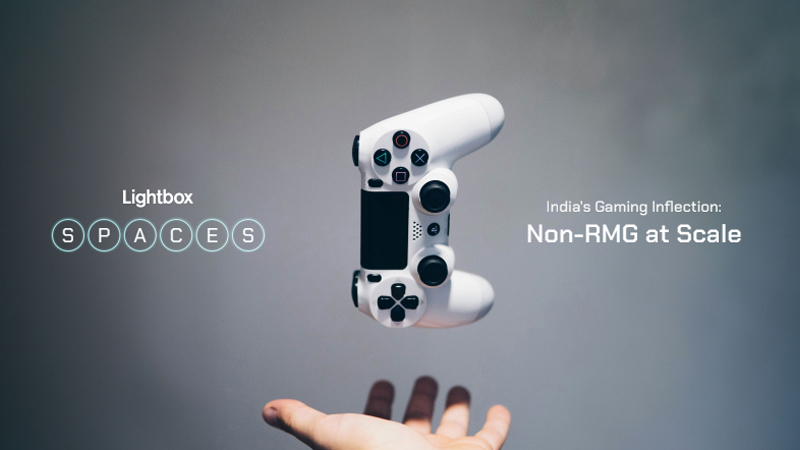
MUMBAI: When the chips are down, India’s gamers are levelling up with play without pay. A new report by Mumbai-based VC fund Lightbox says the country could soon shift from being a volume-heavy market to a value-driven gaming powerhouse, as the spotlight moves from real-money games (RMG) to non-real money titles.
India already has a formidable player base, with nearly 420 million gamers logging in regularly, second only to China. Yet while downloads surge, monetisation lags, with India’s average revenue per user at just 3.03 dollars compared to 68 dollars in China and a hefty 215 dollars in the US. That gap, however, signals massive untapped potential.
According to Lightbox’s India’s gaming inflection: Non-RMG at scale, the future lies in casual, mid-core and esports titles, fuelled by in-app purchases, ads, and subscriptions. A poll with Rooter revealed that three-quarters of gamers already spend on non-RMG add-ons, with 31 per cent shelling out more than Rs 1,000 each month on battle passes, cosmetics and unlockable content.

“The question is no longer about scale,” said Lightbox managing partner Sandeep Murthy. “India can leap from a volume-driven market to a value-driven giant. If given the right content and community, gamers will pay.”
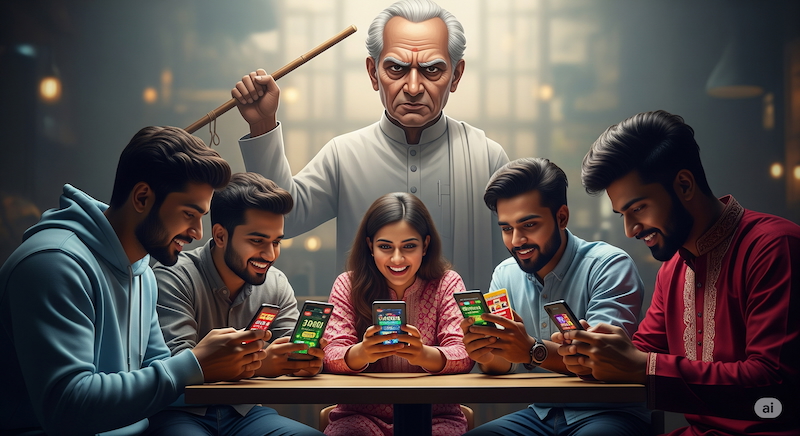
The shift comes on the heels of the Promotion and regulation of online gaming act, 2025, which banned RMG and its advertising. While the crackdown clipped one wing of the industry, it has given non-RMG games legitimacy and fresh tailwinds.
Advertising and esports are also scoring big. Casual and hyper-casual titles are becoming brand playgrounds, while India’s esports revenue touched 100 million dollars in 2024, with sponsorships making up over half the pie.
Regional language content and hyper-localisation are further fuelling the boom. Nearly 75 per cent of gamers prefer Hindi or other vernacular titles, while AI-powered storytelling and cloud gaming are tipped to supercharge the next phase of growth.
Globally, gaming is a 177.9 billion dollars industry set to hit 198 billion dollars by 2027. With its young, mobile-first players, India’s paradox of high play but low pay might just be its superpower, turning the world’s second-largest gamer base into one of its most lucrative.




Brands
DeVANS sparks buzz with self-chilling beer can April Fools campaign
Godfather stunt racks up 7 million impressions, blending humour with hype
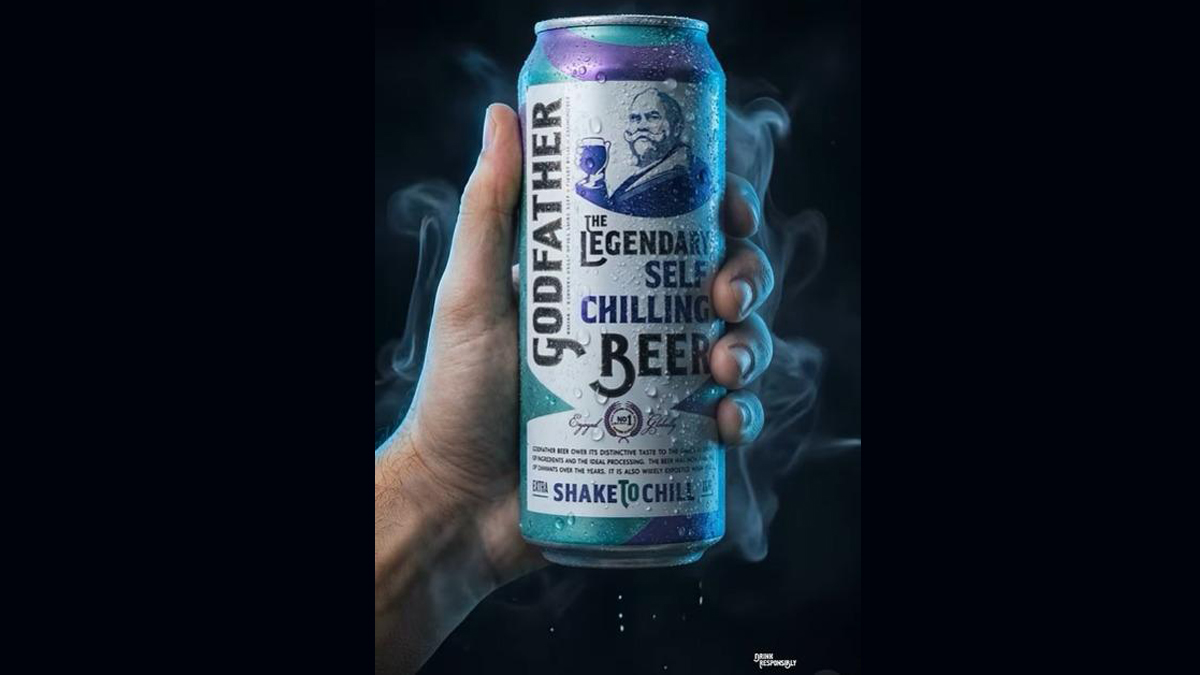
NEW DELHI: DeVANS Modern Breweries has stirred up the marketing pot with a playful yet high-impact campaign teasing a futuristic “self-chilling beer can” under its flagship Godfather label.
What began as a seemingly bold product innovation quickly turned into one of the most talked-about brand moments online, before being revealed as an April Fools’ Day prank. The reveal, however, did little to cool the buzz.
The campaign clocked over 7 million organic impressions across platforms including LinkedIn, Instagram, Facebook and X, with users debating whether the concept was a genuine breakthrough or clever marketing theatre. Thousands of shares and comments turned the idea into a full-blown conversation, drawing in both consumers and industry insiders.
The hook was simple but effective. A self-chilling can positioned as an on-the-go convenience product tapped into the imagination of younger, urban audiences. Add the timing around April Fools’ Day, and the campaign struck the perfect balance between curiosity and scepticism, keeping audiences guessing.
Marketing experts have pointed to the campaign as a case study in leveraging cultural moments. By leaving just enough ambiguity, the brand invited audiences to participate rather than simply observe, turning passive viewers into active contributors to the narrative.
“Godfather has always been an iconic brand, but iconicity must evolve to stay meaningful,” said DeVANS Modern Breweries chairman and managing director Prem Dewan. “The ‘Self-Chilling Can’ was our way of showing up in a cultural moment with confidence and a sense of humour.”
Beyond the numbers, the campaign signals a broader repositioning for Godfather. Long seen as a legacy beer brand, it is now leaning into youth culture, digital-first storytelling and topical engagement to stay relevant in a crowded alcobev market.
In a space where attention is fleeting, DeVANS has shown that sometimes the coolest idea is the one that keeps people guessing.






