Brands
From nappies to dignity Romsons steps up hygiene game


MUMBAI: ’Tis not just about comfort, it’s about confidence. Romsons Group is widening its hygiene lens, stepping decisively from hospital corridors into everyday homes with the launch of two new personal care products, Poochie Play Pants Baby Diapers and Dignity Bloom Disposable Period Panty.
Unveiled by Romsons Group director Sahil Khanna during his appearance on The Startup Caffe podcast, the launches mark a strategic expansion for the 70-year-old healthcare and hygiene major. The move leverages Romsons’ medical-device DNA to address two of India’s most competitive, and under-penetrated, hygiene categories.
The headline act is Poochie Play Pants, Romsons’ first foray into India’s baby diaper market, a segment estimated to be nearly ten times the size of the adult diaper category and crowded with over 100 brands. Available in both tape and pant styles, Poochie is built around advanced core technology aimed at higher absorption, better retention and reduced leakage during extended wear. Designed for active babies, it focuses on comfort and freedom of movement, while being priced competitively for Indian households. Crucially, it carries the reassurance of Romsons’ seven-decade legacy in medical-grade disposables.

Alongside it comes Dignity Bloom Disposable Period Panty, a pants-style alternative to traditional sanitary napkins. Bloom integrates absorption directly into the garment, eliminating pad shift and reducing spillage during movement. The single-layer design removes the need for additional underwear, offering discreet protection for work, exercise and social settings. The emphasis is clear: dignity, mobility and confidence without compromise.
The twin launches also underline a bigger ambition. Despite growing awareness, hygiene penetration in India remains low, with sanitary napkin usage at around 12 percent and baby diapers at roughly 25–30 percent. Romsons’ stated focus is accessibility, ensuring that products commonly used in urban markets are also affordable and available in rural India.
With Poochie and Bloom, Romsons is betting that its medical heritage, combined with everyday relevance, can cut through crowded shelves. In a market where hygiene is still catching up with aspiration, the company is positioning itself not just as a manufacturer, but as a quiet enabler of safer, more dignified daily living.

Brands
Jubilant FoodWorks faces Rs 47.5 crore GST demand, plans appeal
Tax authorities flag alleged misclassification of restaurant services
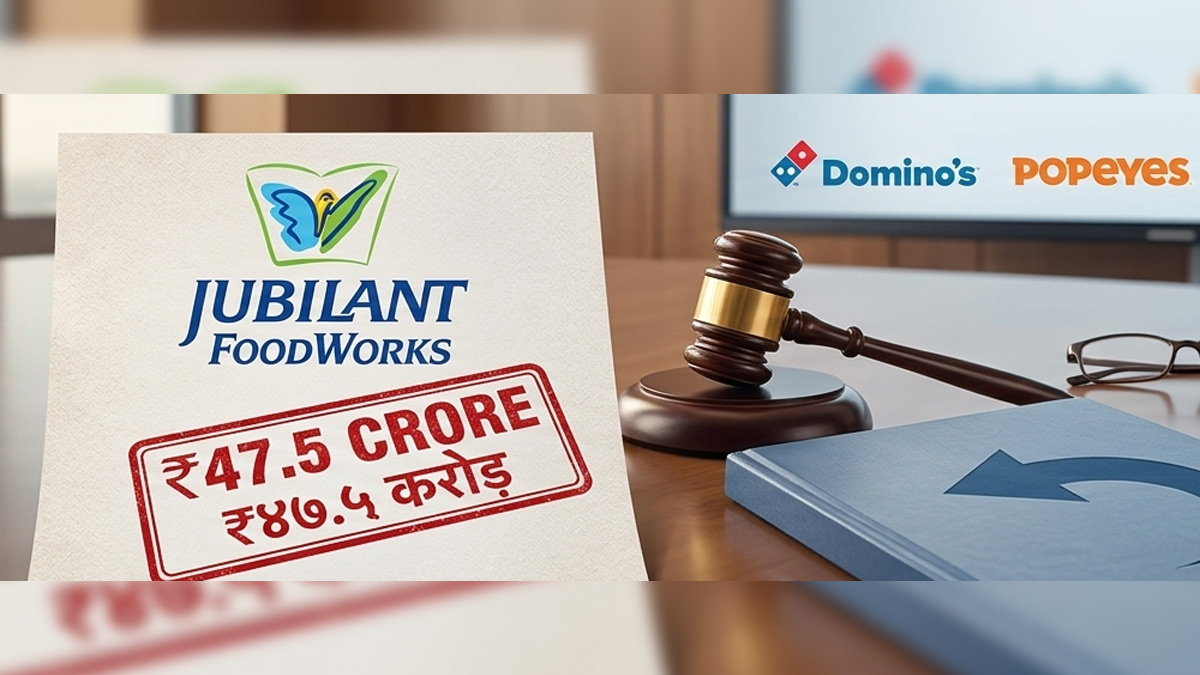
MUMBAI: Jubilant FoodWorks Limited has landed in a tax tussle after receiving a GST demand of Rs 47.5 crore from the office of the additional commissioner of CGST and central excise in Thane, Maharashtra.
The order, issued under the provisions of the Central Goods and Services Tax Act, 2017, relates to an alleged incorrect classification of certain services under the category of restaurant services. According to the tax authorities, this classification resulted in a short payment of goods and services tax for the period between the financial years 2019-20 and 2021-22.
The demand includes Rs 47.5 crore in GST along with an equal amount as penalty, in addition to applicable interest. The order was received by the company on March 13, 2026.
In a regulatory filing to the BSE Limited and the National Stock Exchange of India Limited, the company said it disagrees with the order and believes its arguments were not adequately considered.
The company is preparing to challenge the decision and plans to file an appeal. It added that once the redressal process is complete, the demand is likely to be dropped.
Despite the sizeable figure attached to the notice, the company said it does not expect any material impact on its financials, operations or other activities.
The disclosure was signed by Suman Hegde, EVP and chief financial officer, who confirmed that the company received the order at 19:06 IST on March 13 and has already initiated steps to contest it.
The development places the quick service restaurant major in the middle of a tax debate that could hinge on how certain restaurant-linked services are classified under GST rules. For now, the company appears ready to take the matter from the tax office to the appeals desk.