MAM
FOSSIL WELCOMES ON-BOARD ITS NEWEST CELEBRITY AMBASSADOR


NEW DELHI: FOSSIL today announced the addition of Disha Patani as its newest celebrity brand ambassador in India. The youth style icon successfully drives her large fan base with her authenticity and sense of fashion that is creative, fresh and modern.
“We are so proud Fossil has become one of the top fashion brands in the watch category in India, and one that reflects the aspirations of youthful India. We are constantly innovating our designs while preserving the best of our modern vintage past,” says Fossil Group, India, Managing Director- Johnson Verghese. “Fossil is delighted to partner with Disha Patani who truly represents millennial India. Her confidence and passion for all that she takes on is remarkable, she has a dynamic sense of style, and she embodies Fossil’s intrinsic optimism and authenticity,” he further added.
Commenting on this association Disha Patani said, “I’m thrilled to be associating with FOSSIL, a brand that brings together the best of design & innovation to create beautifully crafted watches. Celebrating individuality and uniqueness while advocating effortless style, is everything that defines Fossil’s style as well as mine!”

The brand welcomed Disha Patani to the Fossil family on 10th July on Fossil’s newly launched India Instagram page.
Disha’s collaboration with the brand will aim to reach out to her fan base who is equally inspired by her authentic style. The Malang and Baaghi 2 star will be seen in an upcoming brand campaign alongside Varun Dhawan, who has been Fossil’s brand ambassador since 2018.
The campaign will feature the much-awaited watches from this year’s spring-summer collection – traditional & automatic watches, Hybrid HR smartwatches and new platforms for the Gen5smartwatch.
The collection will be available for purchase at https://www.fossil.com/in/en.html
Follow Tellychakkar for the consumer facing news & entertainment




Brands
Boeing appoints Barun as head of FP&A for global engineering function
Seasoned finance leader to steer budgets and strategy across global centres
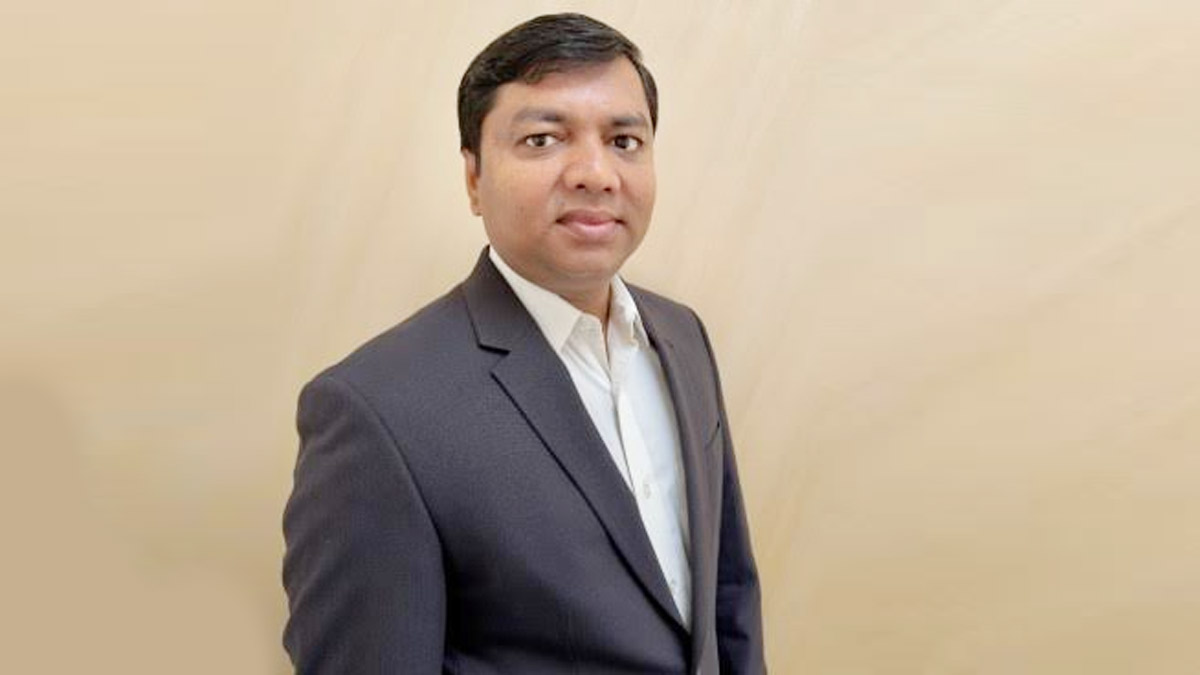
BENGALURU: Boeing’s finance cockpit has a new pilot, and he is no stranger to turbulence or transformation. Boeing has appointed Barun as head of FP&A for global engineering, placing him at the centre of financial strategy for its worldwide engineering and technology operations.
Based in Bengaluru, Barun steps into a role that is as expansive as it is critical. He will serve as the primary finance lead for Boeing’s Engineering and Technology Centers globally, working closely with executive leadership to shape financial decisions, manage complex budgets, and design scalable finance processes that support the company’s growing engineering footprint.
In a note announcing his move Barun said, “I’m excited to share that I’ve joined Boeing Global Engineering. This opportunity is incredibly meaningful to me not just from a professional standpoint, but also for what Boeing represents globally.” He added that he looks forward to contributing to an organisation that continues to shape the future of aerospace and innovation.
Barun’s mandate spans strategic financial leadership, operational oversight, and stakeholder engagement. From directing large-scale budgets and schedules to influencing long-term organisational goals, the role blends financial discipline with business foresight. He will also lead cross-functional teams and partner with finance colleagues worldwide to support engineering programmes across geographies, including India.
The appointment caps a long stint at Juniper Networks, where Barun spent over a decade, most recently as finance senior manager. There, he led FP&A for global product business units and G&A functions, driving budgeting, forecasting, and long-range planning. He also played a key role in enterprise-wide transformation, including spearheading an Oracle to SAP ERP migration and building advanced analytics capabilities using tools such as Tableau and SAP Analytics Cloud.
His earlier career includes finance leadership roles at Sony India Software Centre, Cognizant Technology Solutions, and Mphasis, where he focused on financial planning, governance frameworks, and operational efficiency across global delivery centres.
A chartered accountant from the Institute of Chartered Accountants of India, Barun brings nearly two decades of experience across financial planning, digital transformation, and analytics-led decision making.
His appointment comes at a time when global engineering operations are becoming increasingly complex and distributed, requiring sharper financial oversight and agile planning. With Barun at the helm of FP&A for engineering, Boeing appears to be tightening its financial playbook as it looks to scale innovation with discipline.






