MAM
Fortune launches ‘Banao Kuchh Hatke’ TVC campaign for Soya Chunks

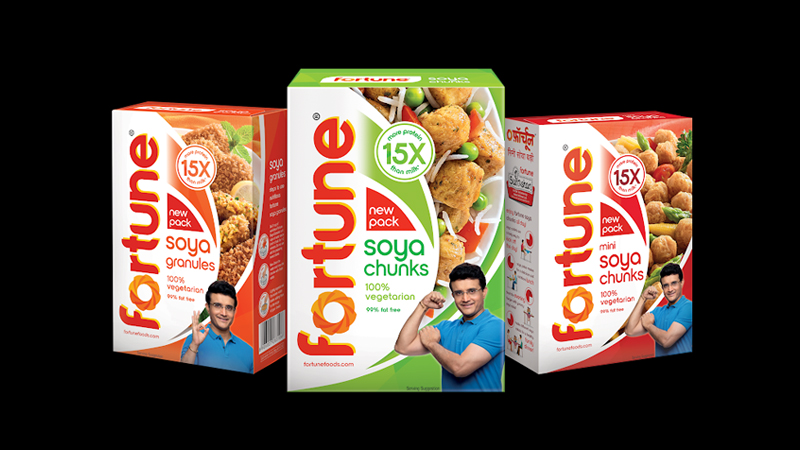
Mumbai: Adani Wilmar Ltd, one of the largest food and FMCG companies in India, has rolled out its new ‘Banao Kuchh Hatke’ campaign for its rich in protein brand Fortune Soya Chunks. The 360-degree campaign showcases the versatility of soya chunks as an ingredient, encouraging consumers to explore innovative and diverse culinary options. Conceptualised by DDB Mudra, the campaign – ‘Banao Kuchh Hatke’ – features ad films, narrated by the renowned multifaceted Indian actor and dancer, Jaaved Jaaferi in Hindi and popular former Indian cricketer Sourav Ganguly in Bengali. The film is being distributed across various media platforms, including TV and digital channels such as YouTube, Instagram and Facebook.
The campaign films feature ‘hatke’ recipes made with Fortune Soya Chunks, with Jaaved Jaaferi and Sourav Ganguly humorously guessing the dish being prepared. While he may get his guesses wrong, the audience is left with one certainty: Fortune Soya Chunks promises delightful surprises. The brand has collaborated with esteemed and influential chefs to enhance the digital presence of this campaign. These chefs will share their unique recipes using Fortune Soya Chunks, engaging the audience in an exciting way.

The brand has also planned to extend the communication through their product packaging, where they will showcase ‘Hatke’ dishes which can be prepared using soya chunks. A QR code will be used in packaging to redirect consumers to explore more such recipes on microsite.
Sharing his insights on the campaign, Adani Wilmar Ltd’s head- media and brand Jignesh Shah said, “We aim to inspire consumers to create ‘hatke’ dishes using Fortune Soya Chunks across various cuisines through this campaign. We are thrilled to innovate and showcase the ways an ingredient like soya chunks can be presented in an appetizing way. We wanted to highlight unique recipes that can be created with soya chunks and the campaign film reflects the message seamlessly.”
DDB Mudra CCO Rahul Mathew said, “The biggest challenge was to maintain the entertainment value in the film while showcasing the variety of dishes possible with Fortune Soya Chunks. Jaaved Jaaferi and Sourav Ganguly’s iconic voice added a unique touch, making this campaign truly ‘hatke’. We are hopeful that the messaging will resonate with the consumers.”
Fortune soya chunks is a great source of protein for vegetarians. It contains 15 times more protein* than milk and has low fat content. The advanced technology helps Fortune soya chunks to soak water and masala well, which makes it more delicious and easy to digest. It is a healthy food option for growing children and adults.
Disclaimer: Compared to protein of milk (cow milk). Source: Indian food composition tables, NIN, ICMR (2017).
The ‘Banao Kuchh Hatke’ TVC is set to air on leading television channels nationwide, inviting viewers to embark on a journey of rediscovery and reimagine the joys of cooking at home. In addition, a dedicated microsite has been developed, featuring an array of unique recipes with Fortune Soya Chunks. This platform aims to inspire consumers to go beyond traditional recipes and experiment with new culinary ideas.






Brands
Aman Gupta’s OFF/BEAT secures Rs 100 crore seed funding round
Bessemer backs new venture betting on AI and India’s digital shift
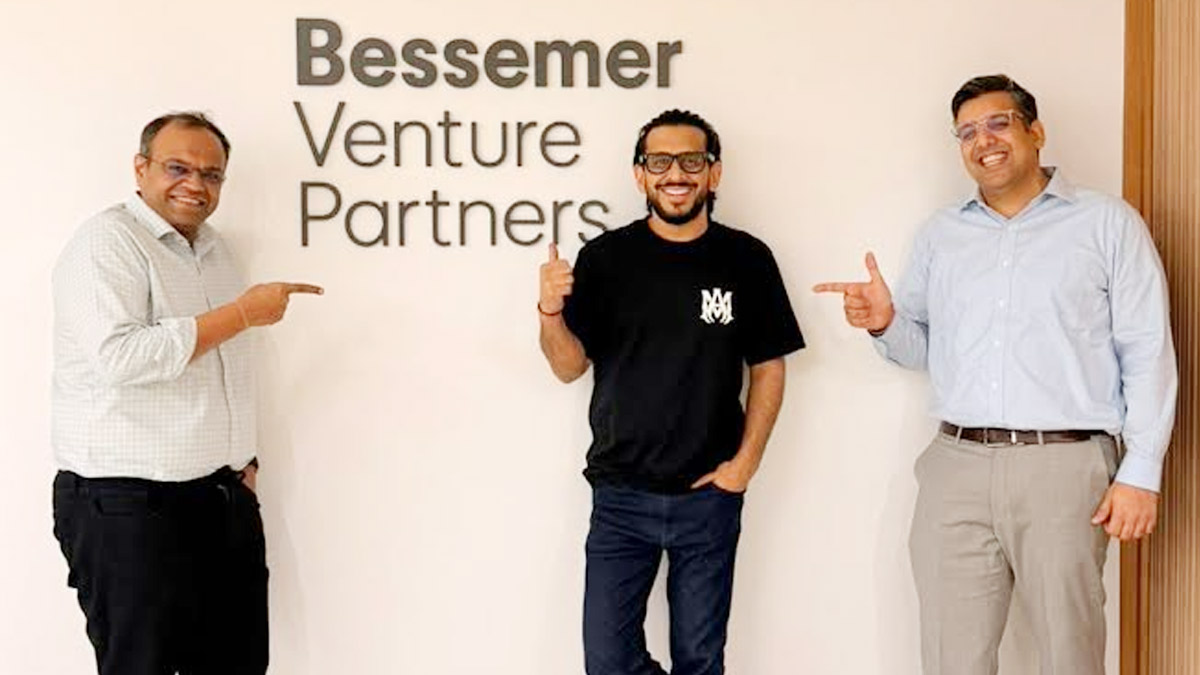
MUMBAI: Aman Gupta has raised Rs 100 crore in seed funding for his new venture OFF/BEAT, with Bessemer Venture Partners leading the round as it bets on a new wave of AI-led, consumer-first businesses in India.
The funding marks an early but significant push for OFF/BEAT, which is positioned to tap into a rapidly evolving market shaped by a digitally native generation and advances in artificial intelligence. The venture aims to build at the intersection of culture and technology, where brand identity and innovation increasingly go hand in hand.
Gupta, best known for co-founding boAt and scaling it into a Rs 3,000 crore-plus business, is now looking to apply those learnings to a new playbook. His focus this time is not just on building a consumer brand, but on leveraging AI and global networks to accelerate growth.
OFF/BEAT founder Aman Gupta said, “Having built from scratch before, I know what capital can do and what it cannot. This time, I was looking for partners with a global perspective who can help me leverage technology and AI, because that is where the future lies. Bessemer’s track record with companies like Anthropic, Shopify, Canva and LinkedIn says it all.”
The choice of investor reflects that ambition. Bessemer Venture Partners has backed global technology players such as Anthropic, Shopify, Canva and LinkedIn, bringing not just capital but strategic support and global reach.
Bessemer Venture Partners partner Anant Vidur Puri said, “We back founders who see around corners. Aman saw how a new India would come to think about aspiration, identity and quality, and built boAt as proof. He is now applying that same instinct to a market being reshaped by AI and by a generation with entirely new expectations.”
The investment comes at a time when India’s startup ecosystem is being reshaped by both consumer behaviour and technological disruption. Founders are increasingly expected to understand not just products, but the cultural shifts that drive adoption.
For OFF/BEAT, the journey is just beginning, but the signal is clear. In a market where attention is fleeting and expectations are rising, building something truly distinctive may be the only way to stay on beat.






