MAM
For a B2B brand, marketing needs to have a deeply symbiotic relationship with sales

Marketing for a B2B brand is becoming more personalised than ever before. Sounds counter-intuitive, right? After all, B2B essentially means selling to a ‘business’, which is a huge entity, and, hence, impersonal. However, in the constantly ‘disrupted’ business world of today, the reality could not be farther from the truth. B2C should ideally be personalised, but in reality it is targeted to a broader set of consumers, neatly grouped and profiled based on certain demographics. B2B, on the other hand, has become much more individualised. Marketing to a business means selling to the key decision-maker(s) in the organisation. Hence, for a B2B brand, marketing and sales are no longer two distinct functions. Rather, the relationship has grown more symbiotic and stronger, aligned for faster growth and greater success.
A paradigm shift
For a B2B brand, marketing is no longer merely about generating or cultivating leads and directing the same towards sales for further engagement. It is about laying foundations for a long-term relationship, the first step in creating a long-lasting relationship, which will then be built upon by the sales team. For ensuring success of the brand, B2B marketers need to take a holistic view, thinking in terms of not just engaging the business customer at the other end, but also how the product/service they are selling will impact the buyer’s end – the consumers. This needs a paradigm shift in the way marketing strategies are drawn up – the consumer experience of the end-buyer needs to be factored into the strategy, for not just a competitive advantage, but with the intention of fostering lasting relationships.

Marketing and Sales in B2Bs – A Synergistic Relationship
With multiple channels of sales, and the increasing trend of online purchases, even for B2B, what becomes paramount is building on the symbiotic nature of marketing and sales for optimizing revenues. Most brands are investing in marketing automation and using technology to increase visibility and digital awareness of the brand, through content marketing, social media, innovation, etc. But merely using social media to build brand awareness is not really productive for B2Bs if there are no close and frequent interactions with the person(s) at the other end.
On the other hand, the sale cycle in a B2B can often be a long-drawn-out cycle, needing multiple personal visits and calls. This is why the two teams need to collaborate. The synchronisation of sales and marketing efforts can lead to reduced sale-cycle while boosting revenues. Marketing facilitates sales by identifying potential and engaged customers. In this era of readily-available information, where brands compete and clamour for attention, a proactive marketing strategy can tilt the balance by arming potential buyers with solutions, volunteering expert knowledge, or offering guarantees for performance and services.
B2B business platforms are also transforming, as the impact of newer models and disruptive practices spreads.
LinkedIn and Facebook are good examples. Social platforms launched for P2P interaction, these have grown into P2B / B2P, seamlessly allowing for both personal and business relationships to co-exist. The traditional ‘sales funnel’ model has been transformed by the ubiquitous reach of the internet and digital technology to a multi-channel one. Discerning customers, armed with information, having meticulously researched and reviewed the product/service on offer, seek not just quick, convenient solutions, but also relevant and reliable ones. To succeed with the newer sales funnel, B2B brands require closer and deeper integration of marketing and sales, a cohesive effort which will facilitate a seamless experience for their customers, both current and potential.
If marketing is the first step, then sale is the closing act. Without one, the other would not succeed. The deeply woven threads between the two create the intricate fabric for business success.
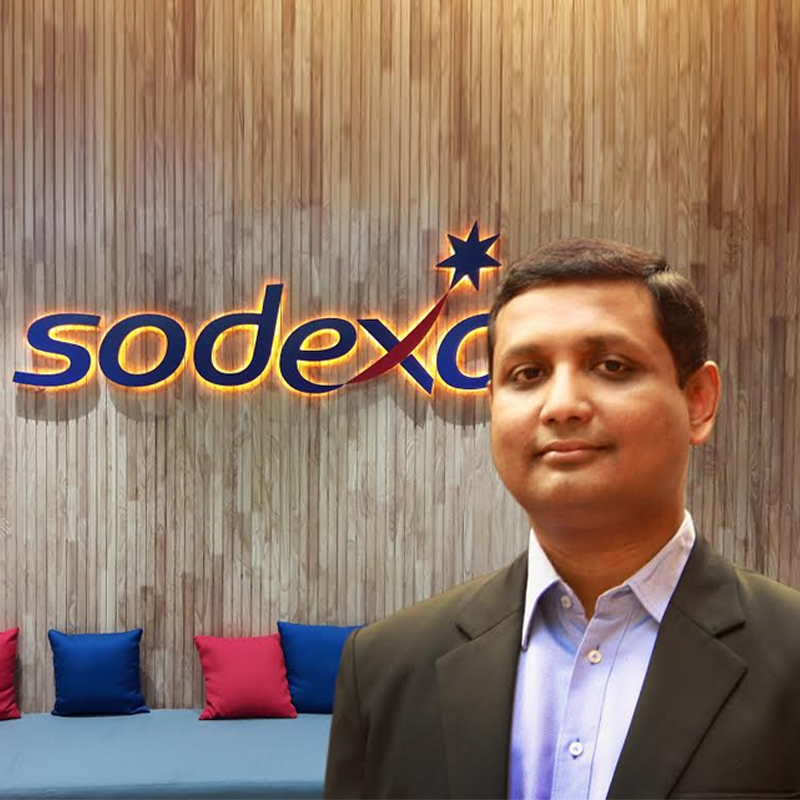
(The author is vice president sales & marketing, Sodexo BRS India. The views expressed are his own and Indiantelevision.com may not subscribe to them.)



MAM
Ameya Velankar steps down as Uber’s head of marketing for India & South Asia
Veteran marketer exits after more than seven years with the ride-hailing giant.
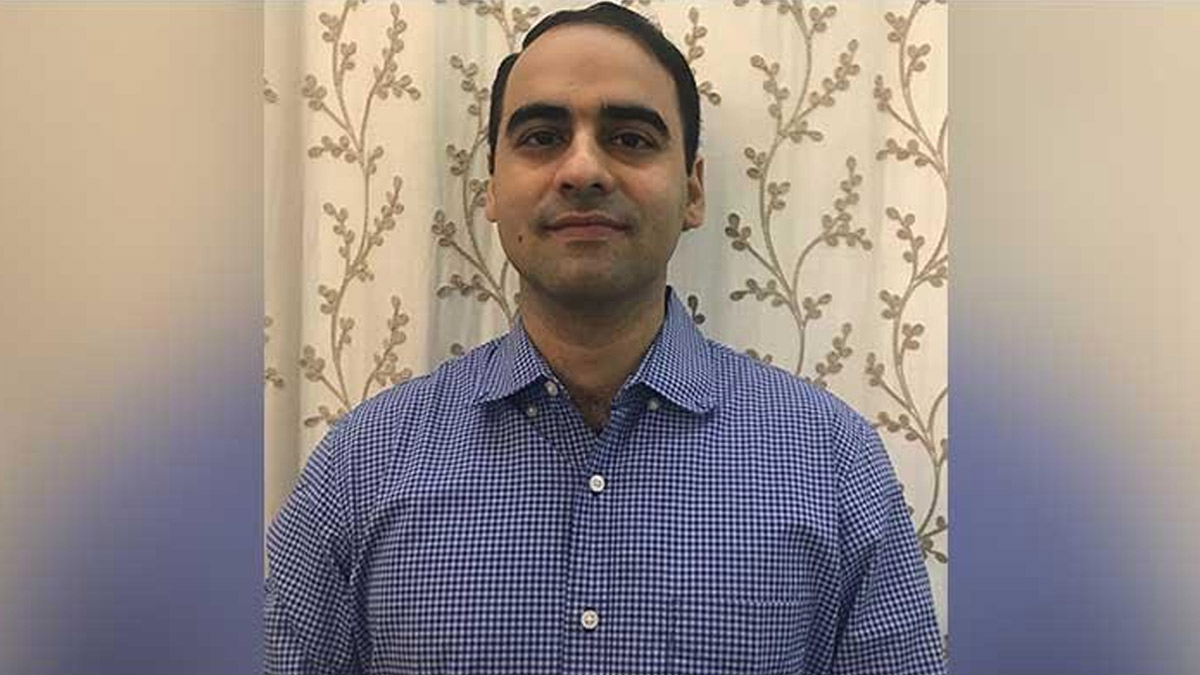
MUMBAI: After more than seven years of steering Uber through the bumpy roads of India’s mobility market, Ameya Velankar has decided to change lanes. Ameya Velankar has stepped down as Head of Marketing for India and South Asia, marking the end of a significant chapter at the ride-hailing company. He had been with Uber since 2019, taking on multiple roles in product and category marketing before rising to lead the marketing function for the region in 2021.
During his tenure, Velankar played a key role in strengthening Uber’s positioning in one of its most competitive and dynamic markets. He helped drive localised marketing strategies and scale adoption across key offerings such as Auto, Moto, Rentals and Intercity, tailoring global platforms to Indian consumer needs.
Prior to joining Uber, Velankar built his marketing expertise at leading consumer companies including SC Johnson and Marico, where he handled category and product leadership roles. His career began at RPG Enterprises.
Details of his next professional move have not been disclosed.
In a fast-evolving mobility landscape where brands constantly battle for attention, Ameya Velankar helped Uber stay relevant and resonant with millions of Indian users. As he moves on from the driver’s seat of marketing, the company will now look for fresh ideas to keep its wheels turning smoothly.






