MAM
Flexi-timing, job hopping, social media feedback are key HR issues for media companies

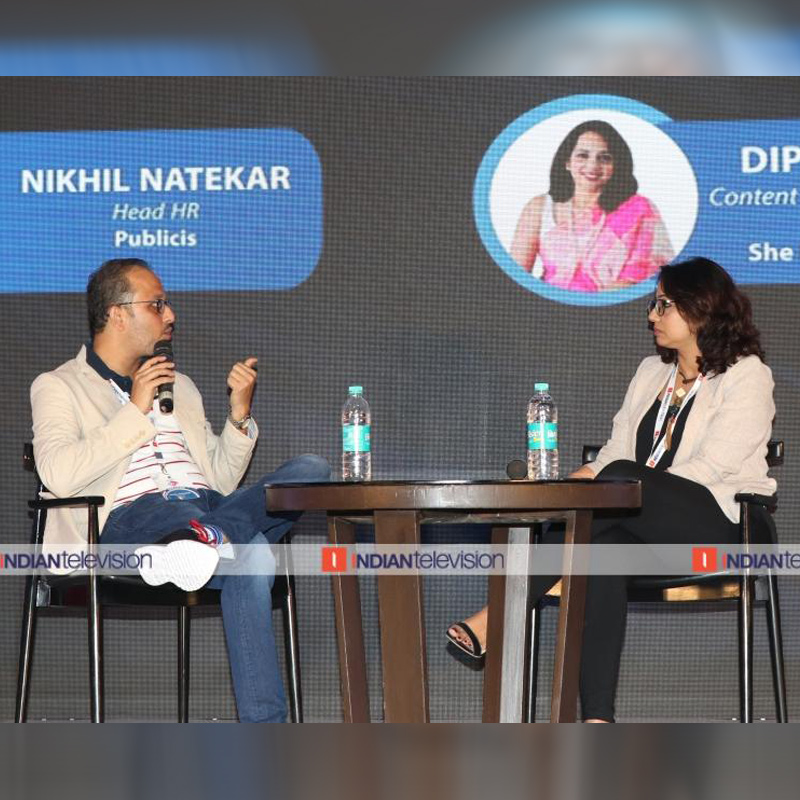
MUMBAI: The challenges of human resources (HR) are constantly changing in any industry thanks to the emerging role of automation and social media along with a higher rate of attrition and scarcity of talent. Decoding the new age issues in the HR space, Publics head HR Nikhil Natekar spoke on a wide range of issues a freewheeling chat with She Means Business content creator and workshop facilitator Dipika Singh at the Indiantelevision.com Media HR Summit 2019.
The first issue (and the most talked about one today) addressed the need for flexible timing. “It’s not only the responsibility of the HR to look into it. It depends on business to business; there are lots of challenges in terms of flexi-time. It should not impact your core business hours. You need to look at core business hours aligned with your organisation. Flexi-time cannot work in the hospitality sector but can work in the IT sector where the employees are playing an individual contributor’s role. So, you need to define where you want to apply flexi-time,” Natekar commented.
With the power of social media in hand, employees and job aspirants can easily write good or bad feedback for companies and Natekar says that this is a reality that needs to be accepted and tackled. Companies need to perceive platforms like LinkedIn and Glassdoor as a mirror and start taking feedback positively.

According to Natekar, accepting the flaws and responding to feedback is very important. Usually, organisations respond to consumer feedback on social media but not to employees. This is because they look at them as employees who are working for them but not as their internal customer who is generating revenue. Natekar voiced the need for a change in the thought process.
“There are two ways to look at it. First, see your current stage and then map out where the organisation wants to be in three years. Identifying that gap is very important. That’s where HR plays an important role. You have to do your own streamlining. You have to align your business leader. If you want to move from this stage to version two, what are the required skill sets for that level and who in the current team have those skill sets and what skill sets do you need to hire. It is more of an understanding between your leadership and HR,” he commented on how business helps HR in pre-empting the requirement of future.
He outlined that automation gives insights, data, and knowledge that was previously unknown but HR’s core responsibility ultimately lies in developing a relationship with an individual. Automation will give HR the background data but it will not be able to throw light on the feelings an employee has developed. Data can help understand focus areas but humans are needed to conduct personal level conversations.
Job hopping has become a tendency among employees and Natekar’s approach would be to directly ask employees for the reasons. But he asks organisations to understand that in today’s age people don’t want to work at the same place for 10-15 years. The tenure has dropped drastically to three years.
The HR’s focus should be on reducing attrition, not of average employees but for key performers who can aid the company’s goal for the next five years.







MAM
WPP appoints Estée Lauder’s Anne-Isabelle Choueiri as chief transformation officer
Former Estée Lauder executive to lead operations, technology and culture overhaul under WPP’s three-year growth plan
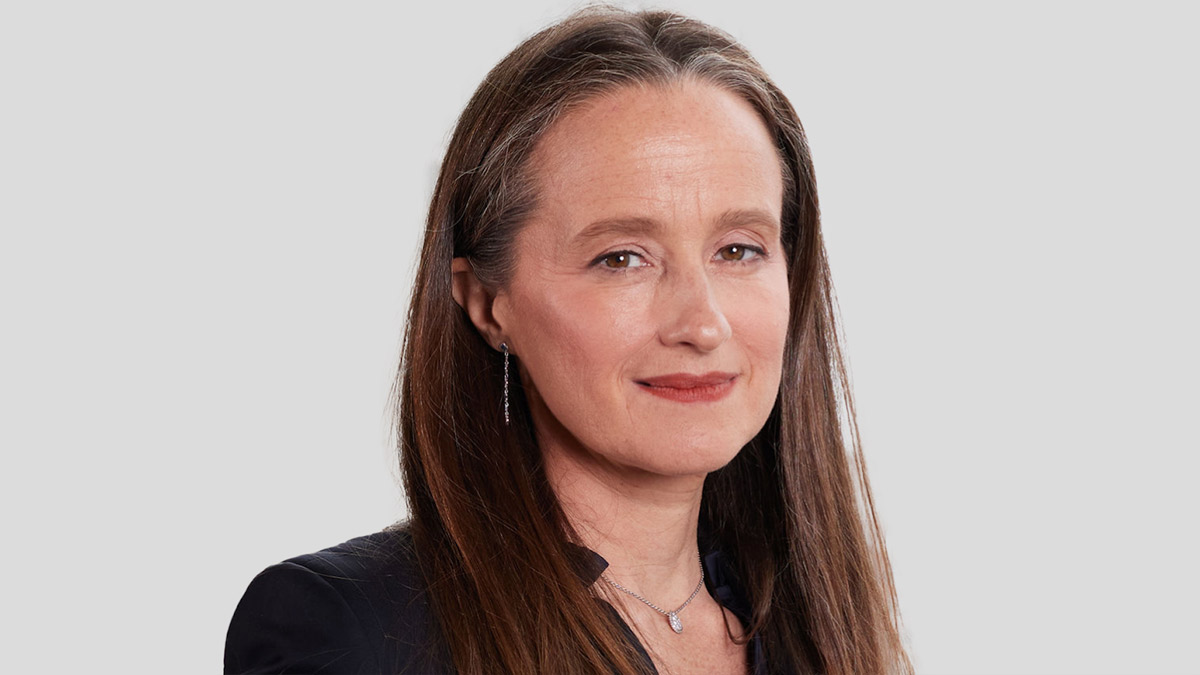
LONDON: WPP has appointed Anne-Isabelle Choueiri as chief transformation officer in a newly created role tasked with delivering the group’s Elevate28 strategy.
Choueiri joins from The Estée Lauder Companies, where she led enterprise-wide strategic initiatives, including the “One ELC” operating model and major upgrades to enterprise marketing, data and analytics capabilities. She also led the redesign of enterprise technology teams and served on the company’s AI taskforce, driving AI strategy, adoption and value realisation across the business.
At WPP, she will be responsible for designing, implementing and embedding the operating model behind Elevate28, the company’s three-year growth plan unveiled in February 2026. She will lead efforts to improve innovation, efficiency and integration across WPP’s client offerings, with a focus on delivering agile, outcome-driven solutions and measurable growth.
Choueiri will oversee organisational transformation across the group, working closely with product and enterprise technology teams to deploy AI, data and technology to build new capabilities and improve operational performance. She will also work with the people function to embed cultural change, strengthen an agile performance mindset and support talent development across the organisation.
Before joining Estée Lauder, she held senior roles across consulting and digital agencies, including at Accenture, Masaï (a Bain & Company spin-off), and Kearney, with experience spanning strategy, data and digital marketing transformation.
Cindy Rose, chief executive officer of WPP, said Choueiri brings a strong track record of leading large-scale transformation across operations, technology and culture, adding that her appointment will help accelerate the group’s next phase of growth under Elevate28.
Choueiri said WPP’s strategy represents an ambitious opportunity to reshape how the company operates and delivers for clients, adding that she looks forward to building integrated solutions and fostering a culture of innovation and change.
She will be based in New York and will join WPP’s executive committee.







