Connect with us

Brands

Ferrero India introduces Kinder Schoko-Bons Crispy

Published

on

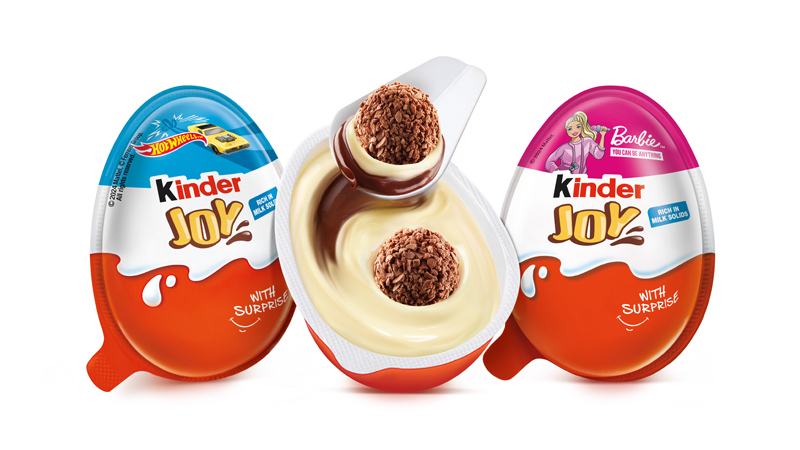
Mumbai: Ferrero India Private Ltd, part of Ferrero Group, one of the world’s leading manufacturers of chocolate and confectionery products, has announced the launch of ‘Kinder Schoko-Bons Crispy’. With this new offering, Ferrero India has deepened its foray into the sweet-packaged foods category. An innovative addition under the umbrella brand Kinder – Kinder Schoko-Bons Crispy, a delectable chocolate treat designed to bring families together in moments of joy and sharing.

Kinder Schoko-Bons Crispy, is a unique combination of a delicious milky and cocoa cream inside a crispy wafer, topped with cocoa sprinkles, thus creating a multisensory experience, catering to a variety of taste and texture preferences.  

Kinder Schoko-Bons Crispy, the delightful bite-sized confectionery has been introduced in “Shareable Packs” starting at an affordable price of Rs 40/- onwards and will be available in packs of four and 12 pieces.  

Advertisement

With Kinder Schoko-Bons Crispy, the company is taking a step forward towards strengthening its presence in the Indian market which is driven by trust and love of consumers for the Kinder products. The expansion of the portfolio marks Ferrero’s entry into the fast-growing snacking category in India. Tapping the increasing opportunity, the brand aims to provide a unique solution for parents to connect with children in the pre-teen years.

With a legacy of introducing innovative offerings for consumers, Kinder Schoko-Bons Crispy, is manufactured at the Baramati plant, Maharashtra with over 98 per cent of the raw materials sourced locally. The state-of-art R&D facility at the plant follows international standards and supports the quality check process for ingredient mix, material sourcing, packaging and product testing. To preserve the nutritional characteristics of high-quality products, Ferrero applies consolidated quality and traceability best practices.

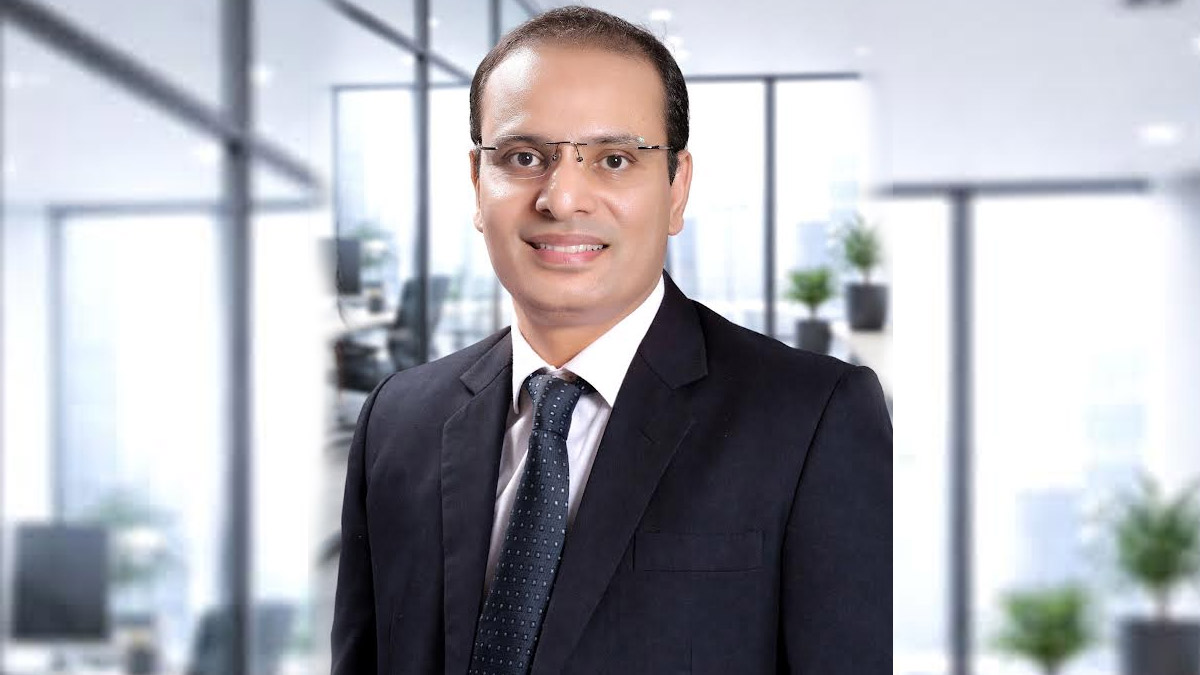
Speaking on the occasion, Ferrero India MD Rudolph Sequeira said, “India is one of the important markets for Ferrero globally, and the expansion underlines Ferrero’s focus to build on its tropical portfolio. We are delighted to expand the Kinder portfolio, with a unique innovation in Kinder Schoko-Bons Crispy, that is successfully made-in-India.”

Advertisement

Kinder Brands marketing head Indian Subcontinent Amedeo Aragona said, “As a brand that embodies traits of fun, genuine care, modernity, and balance, Kinder has always been at the forefront of creating delightful experiences for families. The introduction of Kinder Schoko-Bons Crispy adds yet another layer to this legacy, celebrating the evolving relationships between parents and their pre-teens.”

To further enhance the brand across India, for the first time, Kinder Schoko-Bons Crispy has partnered with renowned celebrities/mother influencers: Indian actress Karishma Kapoor, Subhashree Ganguly, and well-known influencer from South India, Sneha Reddy.

The launch of Kinder Schoko-Bons Crispy will be supported by a strong 360-degree marketing communications campaign. Along with TV and digital presence, the brand will adopt a mass media approach as well.

Advertisement

The product will be available across all leading outlets, including modern trade and traditional stores pan India. Taste imprinting drives will be carried out across modern trade & e-commerce channels. Consumers will be able to buy the product on e-commerce platforms such as Amazon, Flipkart, Blinkit, Big Basket etc.


Click to comment

Leave a Reply

Your email address will not be published. Required fields are marked *

Brands

From AI to IPOs: Hurun rich list shows billionaire boom year

AI, China and Musk power record surge as global billionaire club crosses 4,020

Published

on

MUMBAI: Money, it seems, has learned to multiply faster than rabbits. The world’s billionaire club has burst through the 4,000 mark for the first time, with fortunes swelling so rapidly that the planet minted two new billionaires every single day last year.

That is the headline finding from the Hurun Global Rich List 2026, which counted 4,020 US dollar billionaires, up 578 from last year, setting a new world record. Their combined fortunes jumped 28 per cent, reflecting roaring stock markets, the unstoppable momentum of artificial intelligence, and a renewed wave of global industrial expansion.

If wealth were an Olympic sport, Elon Musk would be running laps around the competition. The Tesla and SpaceX founder has reclaimed the title of the world’s richest person for the fifth time in six years, with his wealth soaring 89 per cent to an astonishing US$792 billion. The surge was fuelled by booming valuations for Tesla and SpaceX, the latter now valued at US$1.2 trillion as it prepares for what could be a record-breaking IPO.

Advertisement

Musk’s meteoric rise also places him on the brink of a historic milestone. According to Hurun Research, he could become the world’s first trillionaire as early as this year, far earlier than previous predictions of 2030.

Behind Musk, Jeff Bezos retained second place with US$300 billion, buoyed by Amazon’s dominance in AI-driven cloud computing and renewed excitement around Blue Origin’s space ambitions. Meanwhile, Larry Page stormed into the top three for the first time after his wealth surged 65 per cent to US$271 billion, powered by Alphabet’s explosive growth and the global adoption of its Gemini AI systems.

Other big tech names continue to dominate the upper ranks. Sergey Brin sits fifth with US$247 billion, while Mark Zuckerberg, despite a modest rise to US$234 billion, slipped to sixth place. Europe’s lone representative in the top ten, Bernard Arnault of LVMH, held seventh position with US$178 billion following a rebound in luxury markets.

Advertisement

Perhaps the most striking new arrival in the top tier is Nvidia chief Jensen Huang, who entered the global top ten for the first time. His wealth climbed 34 per cent to US$172 billion after Nvidia briefly crossed a US$5 trillion market capitalisation, cementing its role as the backbone of the AI revolution.

Yet while tech titans surged, one legendary name slipped from the elite club. Bill Gates, after donating US$20 billion to philanthropy last year, dropped out of the top ten for the first time since the Hurun list began fifteen years ago, though he still retains a formidable US$115 billion fortune.

The geography of wealth has also shifted dramatically. After several years of decline, China has reclaimed its title as the world’s billionaire capital, with 1,110 billionaires, an increase of 287 in a single year.

Advertisement

The United States follows with 1,000 billionaires, up 130, while India remains firmly in third place with 308 billionaires, gaining 24 over the year.

Hurun researchers say China’s resurgence has been driven by industrial manufacturing, semiconductors and healthcare, sectors benefiting from Beijing’s push for technological self-sufficiency.

In India, the billionaire story is evolving rapidly. More than 80 per cent of Indian billionaires today were not on the list ten years ago, signalling a dramatic shift in the country’s wealth engines. Automobiles, financial services and food businesses led the charge.

Advertisement

At the top of India’s wealth ladder stands Mukesh Ambani, Asia’s richest person, with US$109 billion, followed by Gautam Adani with US$83 billion.

At the city level, the title of world’s billionaire capital once again belongs to New York, which hosts 146 billionaires, up 17 from last year.

China’s Shenzhen surged into second place with 132, overtaking Shanghai, while Beijing ranked third. Mumbai, home to 95 billionaires, slipped to sixth place globally.

Advertisement

If one force defined wealth creation in 2025, it was artificial intelligence. The list identified 114 billionaires whose fortunes are tied to AI companies, including 46 newcomers, making AI the single biggest engine of new billionaire creation.

Companies like Anthropic, the creator of Claude AI, produced seven new billionaires after its valuation soared to US$380 billion. Meanwhile, OpenAI’s alumni network has become a billionaire factory, with 14 billionaires emerging from the ecosystem.

The youngest among the new wealth creators are the founders of AI recruitment startup Mercor. Brendan Foody, Adarsh Hiremath and Surya Midha, all just 22, debuted with fortunes of US$2.4 billion each, becoming the youngest self-made billionaires on the list.

Advertisement

The billionaire economy is also becoming more diverse. By sector, financial services remained the biggest source of wealth, accounting for 11 per cent of billionaires, followed by media and entertainment (10 per cent), retail (9 per cent), and consumer goods (8 per cent).

Industrial products saw the biggest influx of newcomers, adding 109 billionaires, while healthcare also produced a significant wave of fresh fortunes.

Even cryptocurrencies maintained a foothold, with 23 crypto billionaires led by Binance founder Changpeng Zhao, worth US$29 billion, a 32 per cent increase.

Advertisement

Wealth is also spilling into unexpected arenas. A record 463 billionaires now own stakes in sports teams, including Dallas Cowboys owner Jerry Jones and Golden State Warriors investors Peter Guber and Joe Lacob.

Celebrity fortunes also climbed. The world now counts 25 billionaire celebrities and athletes, reflecting a shift toward ownership of brands and intellectual property rather than performance income alone.

Despite the rise of young tech founders, billionaires remain an older club. The average age on the list is 65, though 196 members are aged 40 or under, including 36 under 30.

Advertisement

Women continue to gain ground, with 285 self-made female billionaires, though China still dominates the category with three quarters of them.

Meanwhile, migration continues to shape global wealth. Around 14 per cent of billionaires live outside the country where they were born, with the United States hosting the largest group of immigrant billionaires at 175.

In total, 3,201 billionaires saw their fortunes rise, including 726 newcomers, while 809 saw their wealth fall and 96 dropped off the list entirely.

Advertisement

Yet the overall trend is clear. The billionaire population has more than doubled in a decade, and the elite US$100 billion “11-zero club” now counts 18 members, compared with none less than ten years ago.

As Rupert Hoogewerf, chairman of Hurun Report, puts it, the list tells the story of a rapidly changing global economy. “More than 70 per cent of today’s billionaires were not on the list ten years ago,” he noted.

Which means the real lesson behind the numbers is simple: in today’s economy, fortunes are no longer just built slowly. Increasingly, they are being engineered at the speed of innovation.

Advertisement
Continue Reading

Advertisement News18
Advertisement All three Media
Advertisement Whtasapp
Advertisement Year Enders

Copyright © 2026 Indian Television Dot Com PVT LTD

This will close in 20 seconds