MAM
Fast Data Connect bands together with Connect Publics to help US startups crack India’s market


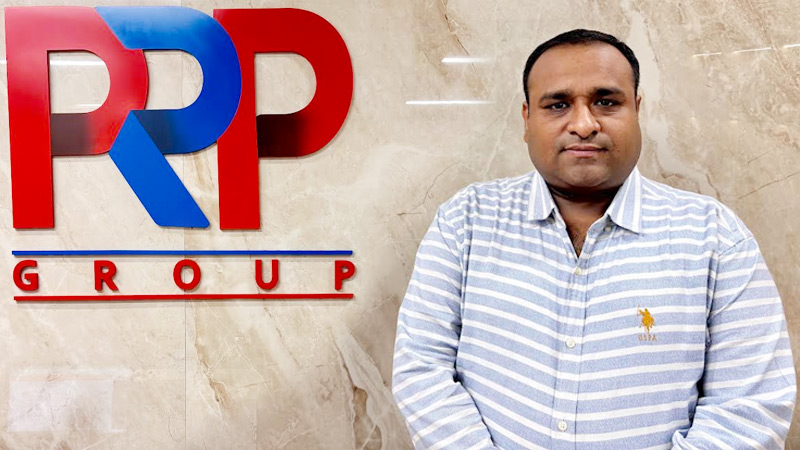
MUMBAI: Launching a startup in India can sometimes feel like navigating through Mumbai traffic at rush hour: chaotic, exciting, and occasionally overwhelming. Enter Fast Data Connect (FDC) and Connect Publics, a new dream team ready to steer US startups clear of potholes and straight towards success in the Indian market. Forget GPS—this partnership promises to be the ultimate roadmap for American entrepreneurs aiming to conquer India.
Announced on 20 March 2025 in Delhi, FDC, a US-based consulting and IT services wizard, partnered with the dynamic PR and branding agency Connect Publics. Their combined superpowers will deliver market entry strategies, crisp brand positioning, savvy public relations, and razor-sharp digital marketing, all wrapped up neatly for US startups eager to explore India’s booming economy.
“India’s startup ecosystem is booming, and the country is making a mark on the global stage. With more international companies looking to expand here, our partnership with Connect Publics ensures that these startups have the right marketing, PR, and outreach strategies to make a successful entry into the Indian market,” said FDC CEO Mike Agar.

Connect Publics founder & brand strategist Aviyukta Adlakha echoed the excitement, “India’s growing success in every field is attracting international businesses and entrepreneurs. This collaboration with FDC is a milestone as we help US startups launch and build a lasting presence in India, a country that offers tremendous growth opportunities with its large, diverse, and tech-savvy market.”
Adding more fuel to the startup fire, Connect Publics co-founder Sandarbh Shrivastava commented, “As India continues to rise as a global leader in innovation, it’s becoming a top destination for entrepreneurs worldwide. Our partnership with FDC will help US startups connect with Indian audiences in a meaningful way and establish a strong foothold in this fast-growing economy.”
Over the coming months, this collaboration plans to unleash a series of exciting startups across sectors like technology, healthcare, fintech, and consumer brands. With tailored marketing campaigns, influencer partnerships, strategic media outreach, and impactful PR initiatives, FDC and Connect Publics are set to turn startup dreams into business realities.



MAM
Beacon Group appoints Dr Rajesh Patel as Group CEO
36-year healthcare veteran to lead Beacon Diagnostics, Vector Biotek, Biogeny.
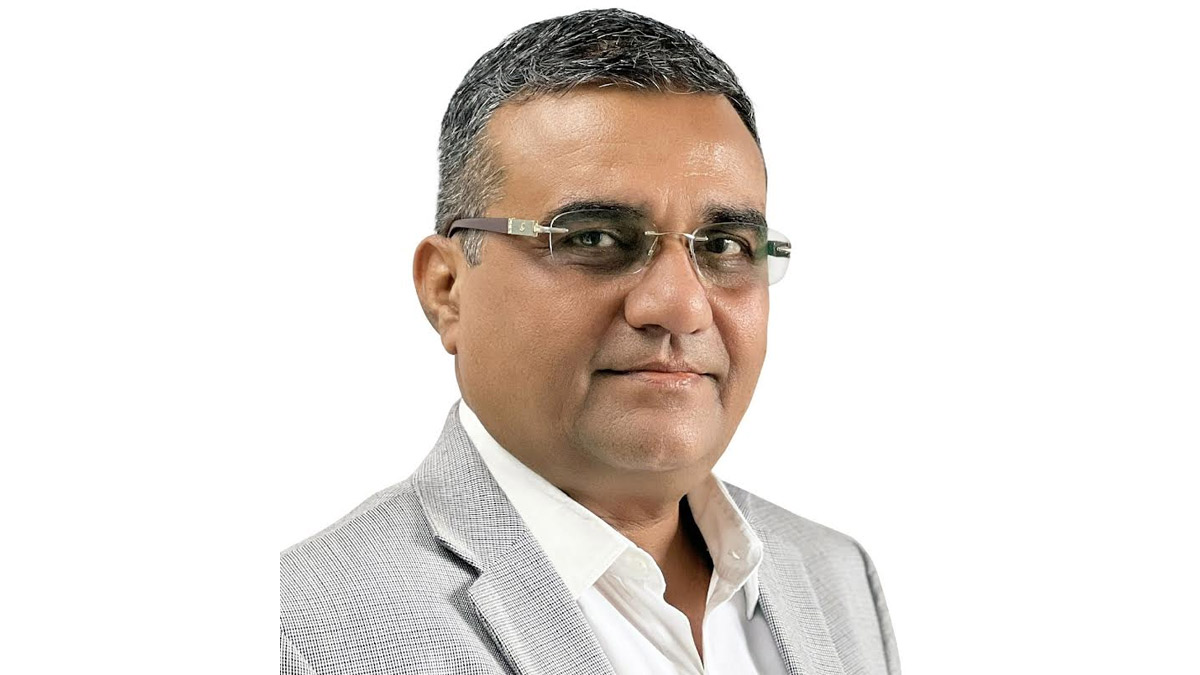
MUMBAI: A new chief, a fresh diagnosis and a sharper prescription for growth. Beacon Group has appointed Dr Rajesh Patel as its Group Chief Executive Officer, effective April 1, 2026, signalling a decisive push to scale its presence in the diagnostics and IVD space. Patel steps into the role with 36 years of experience across the healthcare and diagnostics industry, bringing a career shaped by leadership roles spanning sales, marketing, business development and operational strategy. His mandate is both expansive and precise: to steer the group’s overall strategic direction while tightening coordination across its three core entities Beacon Diagnostics, Vector Biotek and Biogeny Diagnostics.
In practical terms, that means driving cross-company synergies, accelerating market expansion and strengthening organisational capability areas increasingly critical as diagnostic players compete for scale in a fragmented yet rapidly evolving healthcare ecosystem. The group is positioning itself to capture unmet demand across chain laboratories, key accounts and standalone labs, segments that remain underserved despite growing diagnostic needs.
The appointment comes at a time when the In Vitro Diagnostics (IVD) sector in India is entering a more competitive and innovation-led phase, with companies focusing not just on product pipelines but also on service delivery, integration and customer-centric models. Beacon’s leadership appears to be betting that Patel’s execution-focused approach can help translate ambition into operational momentum.
Welcoming the appointment, Chairman Dr D K Joshi described Patel’s induction as a strategic move aligned with the group’s long-term vision, emphasising the role of leadership depth in navigating the next phase of growth.
For Beacon Group, the message is clear, in a sector where precision matters, leadership is the new differentiator—and this appointment is intended to set the tone for what comes next.






