MAM
Fabindia joins Indian Navy’s ‘G20 THINQ’ Quiz as official lifestyle partner

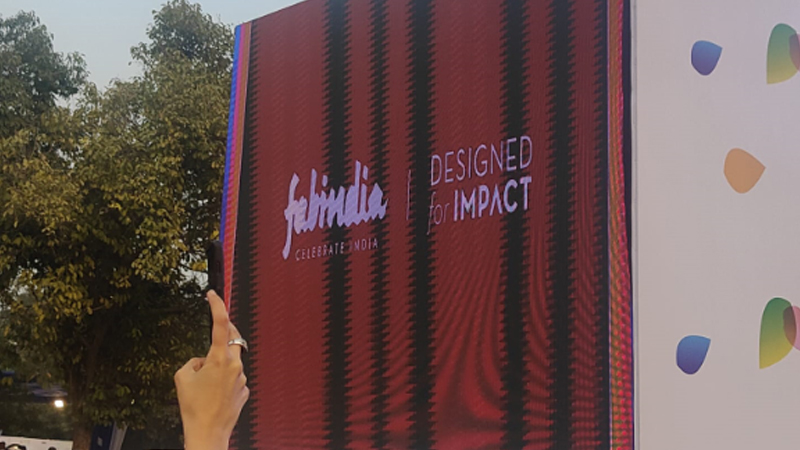
Mumbai: Fabindia, India’s leading lifestyle brand known for its commitment to traditional Indian craftsmanship and contemporary design, in collaboration with the Indian Navy, contributed to bringing together intellect, knowledge, and strategic thinking as the official lifestyle partner for The Indian Navy Quiz, “G20 THINQ.” The national finals were held in Mumbai at The Gateway of India on 18 November, 2023 and the international finals were held on 23 November at India Gate, New Delhi.
In New Delhi, for the International Finals, participants from all 24 countries were dressed in jackets made with Tussar Gicha, a wild silk which is also referred to as Tushar, Tussore, Tasar, Tussur, or Tusser in different regions across India. Contestant’s attire also consisted of white silk blended kurtas made with regenerated cellulose fabric, white churidars or tapered pants and handmade leather jutties.
For the national finals in Mumbai, participants from across 16 schools were dressed in immaculately crafted Ikat designs that carried the combined traditions and skills passed down to artisans through generations. In keeping with this theme, Fabindia offered specially curated gift hampers for the winners, combining Fabindia’s signature style with the spirit of G20 THINQ. This collaboration aligned seamlessly with Fabindia’s ethos of showcasing the diverse, vibrant, and sustainably conscious tapestry of India’s traditions.

G20 THINQ was an engaging and intellectually stimulating quiz, and Fabindia is honoured to be a part of this event. The partnership reflected the brand’s ongoing commitment to fostering a deep appreciation for India’s rich cultural heritage and its contribution towards global knowledge.
Fabindia would sincerely like to thank The Indian Navy and NWWA president, Mrs Kala Hari Kumar, for giving us this opportunity to contribute towards making THINQ a successful event.
About Fabindia Ltd.
Fabindia Ltd. was founded in 1960, with its first retail store in New Delhi. Bringing forth craftsmanship with contemporary designs, Fabindia carries a 63-year legacy of celebrating India’s rich heritage, spanning over 357 stores across 127 cities within the country and 13 international outlets across 7 countries.
The offering includes a variety of Indian and Western wear for men, women, and children. Over the years, jewellery, bags and footwear, home furnishings, furniture, gifts, organic food and personal care products have been introduced to the range.
An amalgamation of aesthetics and affordability, the brand is a celebration of India and its crafts, and is one of the country’s largest private platforms for products made from traditional techniques, skills and hand-based processes. Fabindia connects thousands of craft-based rural producers to urban markets, creating employment for artisans and preserving the country’s traditional handicrafts.






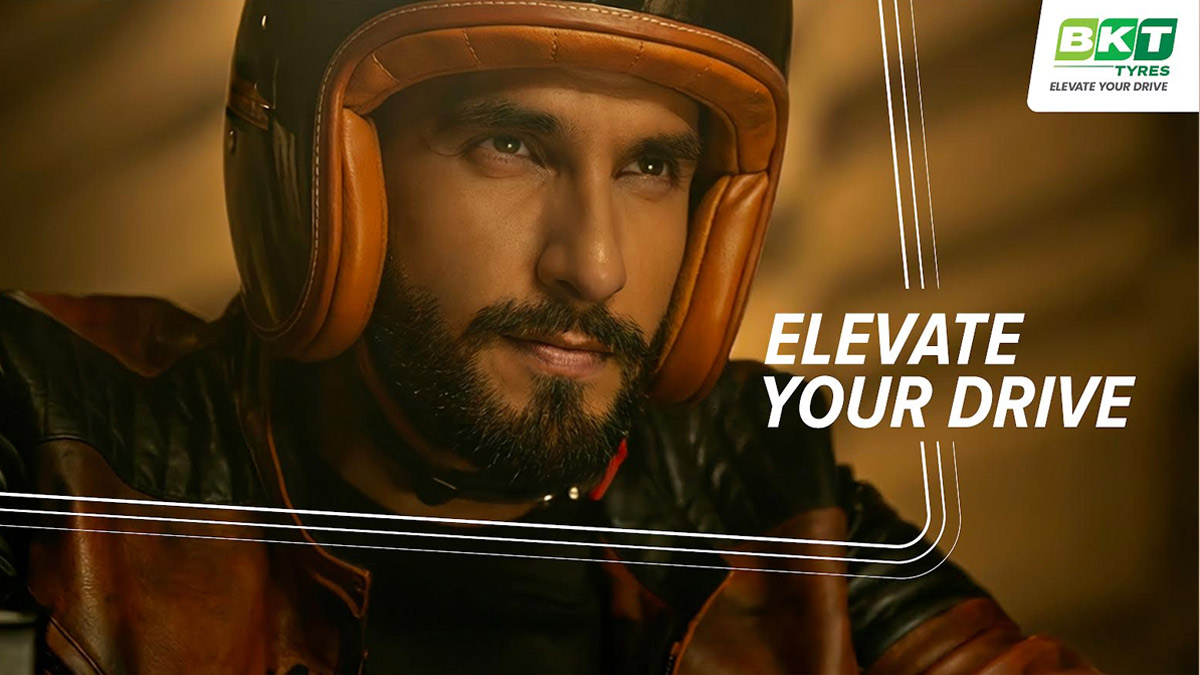
MUMBAI: BKT Tyres has decided to roll into the two-wheeler world with some serious jurrat and it’s brought Ranveer Singh along for the ride. The off-highway tyre specialist has unveiled its new campaign, ‘Jurrat’, marking a strategic push into India’s massive two-wheeler segment. The high-energy TV commercial, featuring brand ambassador Ranveer Singh, debuted on 3 April 2026 during the Indian Men’s T20 League 2026.
The campaign revolves around the core belief that true confidence on the road comes from dependable performance beneath you. ‘Jurrat’ (meaning courage) captures the mindset of riders who navigate dynamic and often unpredictable daily commutes with determination. It brings BKT Tyres’ brand philosophy ‘Elevate Your Drive’ into the two-wheeler space by spotlighting three key product benefits: long life, exceptional road grip, and unmatched comfort.
BKT Tyres chief marketing officer for India Mahesh Koppad said, “India’s two-wheeler segment reflects the way the country moves, works, and progresses every day. ‘Jurrat’ highlights how performance-led tyres, engineered for long life, comfort, and grip, enhance the overall riding experience and support uninterrupted progress in everyday life.”
The campaign is being rolled out across television and digital platforms with high-impact placements to ensure maximum reach and engagement.
This launch represents BKT Tyres’ calibrated expansion from its stronghold in off-highway tyres to becoming a more holistic mobility brand, addressing the everyday transportation needs of millions of Indian riders who rely on motorcycles and scooters as their primary mode of transport.
In a segment where confidence is everything, BKT Tyres is betting that a combination of bold celebrity appeal and strong product performance will help it gain serious traction on Indian roads. The campaign signals that the company is ready to move beyond its traditional turf and accelerate in the fast-paced two-wheeler market.






