MAM
Fabindia echoed India’s 5F Vision: Pioneering sustainability and inclusion

Mumbai: Fabindia, a homegrown lifestyle brand, upheld India’s 5F vision at the Bharat Tex Global Textile Expo 2024. PM Narendra Modi’s 5F vision encapsulated a holistic approach to the textile industry, integrating sustainability, innovation, and global competitiveness. Fabindia has been at the forefront of this movement, driving positive change across the entire value chain since its inception in 1960.
Showcasing the vibrant tapestry of craftsmanship and celebrating Indian textiles in various forms — for apparel and home, under its ESG campaign ‘Designed for Impact – Community, Process and Products’. Steeped in Indian heritage, and culture and strengthened by sustainable practices, the brand is rooted in finding new methods of recycling and upcycling — spanning from exquisite home furnishings to timeless apparel pieces.
“At Fabindia, we are deeply committed to upholding India’s 5F vision as outlined by PM Narendra Modi,” stated Spokesperson, Fabindia. “Through our participation at the Bharat Tex Global Textile Expo, we aimed to celebrate the unparalleled craftsmanship of Indian artisans while highlighting our relentless pursuit of community development and innovation across all aspects of our business. With each thread, we seek to revive not just the colours of India’s rich culture but also the values that can guide us towards a more mindful and eco-conscious future. This Expo is a unique opportunity to share Fabindia’s journey over the decades, presenting sustainability initiatives to the world.”

Fabindia’s presence at the expo was designed to be an immersive experience, that demonstrated various offerings by the brand in both apparel and home collections. From mesmerizing handblock prints to elegant embroideries to magnificent weaves — the brand is committed to its eco-conscious processes and its groundbreaking initiatives aimed at empowering over 55000 artisans across various clusters.
FabHome’s collection consists of Panja Dhurries which are exquisite handwoven rugs, timeless Upholstery options, exquisitely crafted Curtains and Cushions that are perfect to add character to any space. This exhibit also presented Fabindia’s unique offerings, ‘Shunya’ and ‘Punh’ that have been up-cycled from discarded single-use plastic bottles and fabric leftover from production respectively. These ranges served as a testament to Fabindia’s ongoing efforts to create a positive impact on both society and the environment at large.
The Bharat Tex Global Textile Expo 2024 provided an unparalleled platform for industry leaders, policymakers, and stakeholders to come together and shape the future of the textile sector. Fabindia’s participation underscored its unwavering commitment to driving sustainable growth and promoting India’s rich textile heritage on a global scale.







Brands
MS Dhoni joins Cars24’s Crashfree India as Goodwill Ambassador
Cricketing legend lends his voice to the fight against road fatalities in India.
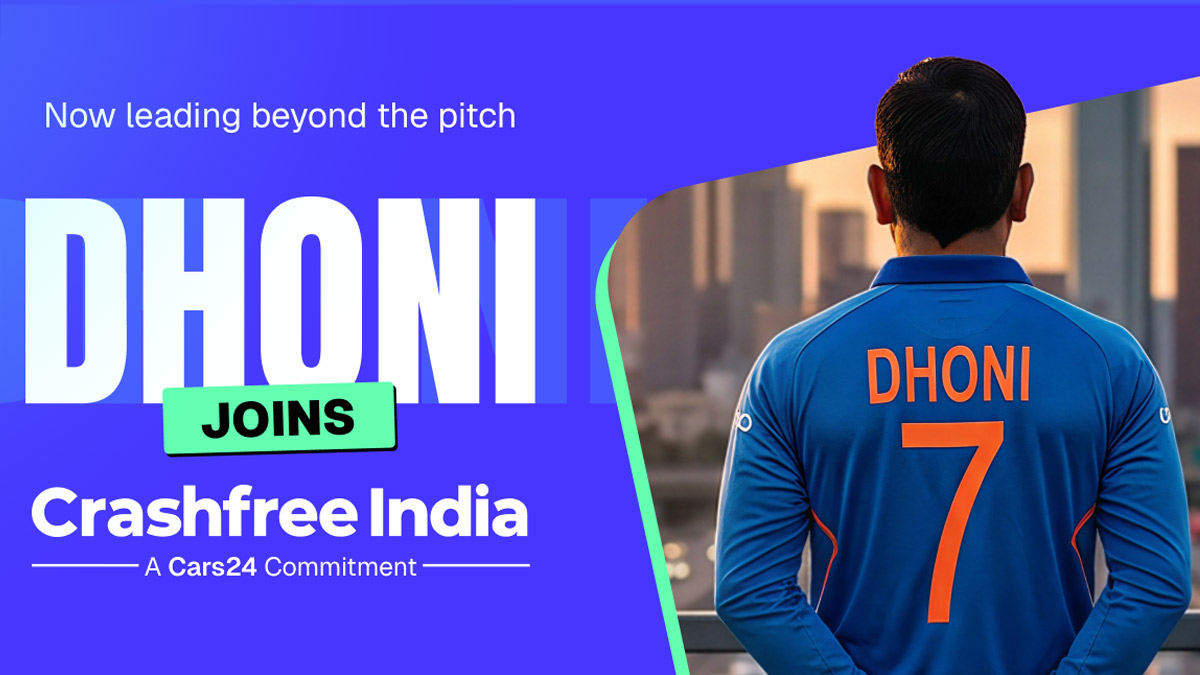
MUMBAI: MS Dhoni has traded his cricket whites for a new kind of captaincy, one that aims to save lives on India’s roads. The former India captain has been appointed Goodwill Ambassador for Crashfree India, Cars24’s national road safety initiative. The move brings one of the country’s most trusted and disciplined public figures to a cause that desperately needs both credibility and urgency.
India continues to record the highest number of traffic fatalities globally. In 2024 alone, 1,80,000 people lost their lives on Indian roads, one every three minutes. The country has roughly 1% of the world’s vehicles but accounts for 11 per cent of global road deaths. Shockingly, 66 per cent of those killed were between 18 and 34 years old, the most productive age group, and nearly 10,000 were school students. Seven in ten fatalities were linked to overspeeding.
Dhoni, known for his calm judgment under pressure, did not mince words when speaking about the issue. “A vehicle gives you freedom, but it also gives you responsibility,” he said. “On our roads, too many people still see safety as a rule to follow only when someone is watching. That mindset has cost us far too much.”
He added: “We already know what is going wrong. We know how many lives are being lost. What we need now is not more excuses. We need more responsibility, more discipline, and more respect for life.”
For Cars24, the association goes beyond a celebrity endorsement. Founder and CEO Vikram Chopra described Dhoni’s involvement as a game-changer: “His understanding of Indian roads is grounded in lived experience. He holds us to a higher standard and his involvement challenges us to push this mission further.”
Crashfree India aims to shift the national conversation on road safety from reaction to prevention, from accepting deaths as routine to treating them as the urgent failure they are. With Dhoni on board, the initiative gains a powerful, trusted voice that transcends statistics and connects directly with millions of Indians.
In a country where dangerous driving is too often mistaken for confidence, Dhoni’s message is refreshingly clear: true strength lies in control, discipline, and respect for life. When one of India’s most respected captains decides to lead this fight, the conversation suddenly becomes much harder to ignore.
The roads just got a new captain. And this time, the goal is not to win a trophy but to save lives.







