MAM
Fabcoins hit the fast lane as loyalty points book electric SUVs


MUMBAI: Loyalty points are no longer just window dressing at the checkout. In a move that pushes rewards out of the shopping bag and into the fast lane, Fabindia has teamed up with Mahindra Electric Origin SUVs to let Fabfamily members book premium electric SUVs using loyalty currency alone.
Under the partnership, customers can secure bookings for Mahindra’s Electric Origin models, the BE 6 and the XEV 9e, by redeeming just 1,000 Fabcoins. Those points translate into a booking value of Rs 21,000, turning everyday purchases into a gateway to electric mobility rather than another percentage off the bill.
The collaboration brings together two Indian brands that have long positioned sustainability at the heart of their businesses. This time, the focus is not on limited period discounts but on stretching the idea of loyalty into real world utility, where points can unlock high value experiences and products.

For Fabfamily members, the offer also introduces flexibility. Customers can lock in an eSUV booking with as few as 400 Fabcoins and complete the balance over time. Once the 1,000 Fabcoin threshold is reached, the booking is automatically processed, removing the pressure of a one shot redemption.
Fabfamily itself has been steadily evolving into a broader lifestyle ecosystem. Members earn up to 10 percent back in Fabcoins on Fabindia purchases, with additional multipliers through brand partnerships that offer redemptions of up to 30 times value. The programme also allows Fabcoins to be donated to organisations such as WWF India and the Centre for Science and Environment, adding a cause led layer to spending habits.
Beyond points, the programme includes concierge services under FabONE and a gentler tier migration system that limits downgrades, making status retention less punitive than traditional loyalty structures.
The Mahindra Electric Origin SUV reward goes live on 19 December 2025. More than a festive hook, the tie up signals a shift in how loyalty programmes are being reimagined, moving from transactional perks to high impact rewards that blend lifestyle, sustainability and mobility into a single proposition.







MAM
Ameya Velankar steps down as Uber’s head of marketing for India & South Asia
Veteran marketer exits after more than seven years with the ride-hailing giant.
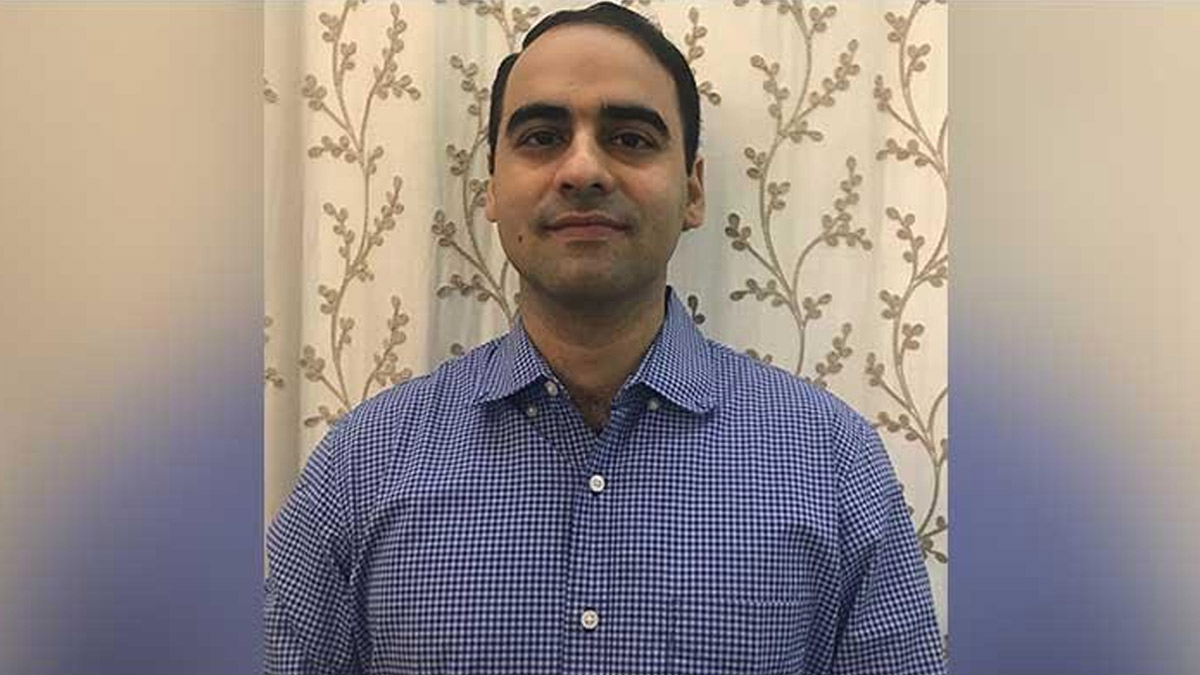
MUMBAI: After more than seven years of steering Uber through the bumpy roads of India’s mobility market, Ameya Velankar has decided to change lanes. Ameya Velankar has stepped down as Head of Marketing for India and South Asia, marking the end of a significant chapter at the ride-hailing company. He had been with Uber since 2019, taking on multiple roles in product and category marketing before rising to lead the marketing function for the region in 2021.
During his tenure, Velankar played a key role in strengthening Uber’s positioning in one of its most competitive and dynamic markets. He helped drive localised marketing strategies and scale adoption across key offerings such as Auto, Moto, Rentals and Intercity, tailoring global platforms to Indian consumer needs.
Prior to joining Uber, Velankar built his marketing expertise at leading consumer companies including SC Johnson and Marico, where he handled category and product leadership roles. His career began at RPG Enterprises.
Details of his next professional move have not been disclosed.
In a fast-evolving mobility landscape where brands constantly battle for attention, Ameya Velankar helped Uber stay relevant and resonant with millions of Indian users. As he moves on from the driver’s seat of marketing, the company will now look for fresh ideas to keep its wheels turning smoothly.






