MAM
Exit stage left Avinash Kaul set to sign off from Network18


MUMBAI: When the credits roll, even the most seasoned showrunners know when it’s time to change the channel. Avinash Kaul, chief executive officer of Network18 (broadcast) and managing director of A+E networks, has resigned and is expected to move on from the Network18 group, sources said.
Kaul’s departure brings the curtain down on nearly 12 years with Network18 and a media career spanning over 26 years. Known for his strategic acumen and steady leadership, Kaul’s remit within the group was significantly expanded in August last year. At the time, he was entrusted with driving direct revenue growth across television, digital and print, while also continuing to strengthen ratings performance and overseeing key operating verticals across broadcast and print businesses.
During his tenure, Kaul reported to Rahul Joshi and played a central role in shaping Network18’s broadcast strategy through a period marked by intense competition and rapid shifts in audience behaviour.

Before joining Network18, Kaul served as chief executive officer of the television division at Bennett Coleman and Company Limited. Earlier chapters of his career saw him in senior leadership roles at Sahara One and NDTV, building a reputation as a calm operator with a sharp commercial instinct.
Widely respected across the media and broadcasting industry, Kaul has previously been recognised as CEO of the Year at the ENBA Awards, a reflection of his influence and standing within the sector.
While his next move is yet to be formally announced, Kaul’s exit marks the end of a significant chapter for Network18 and signals that one of Indian broadcasting’s most familiar executives is preparing for his next act.







Brands
Janhvi Kapoor teams up with Amaha to spotlight alcohol addiction
‘Off the Rocks’ aims to shift stigma to science in mental health discourse
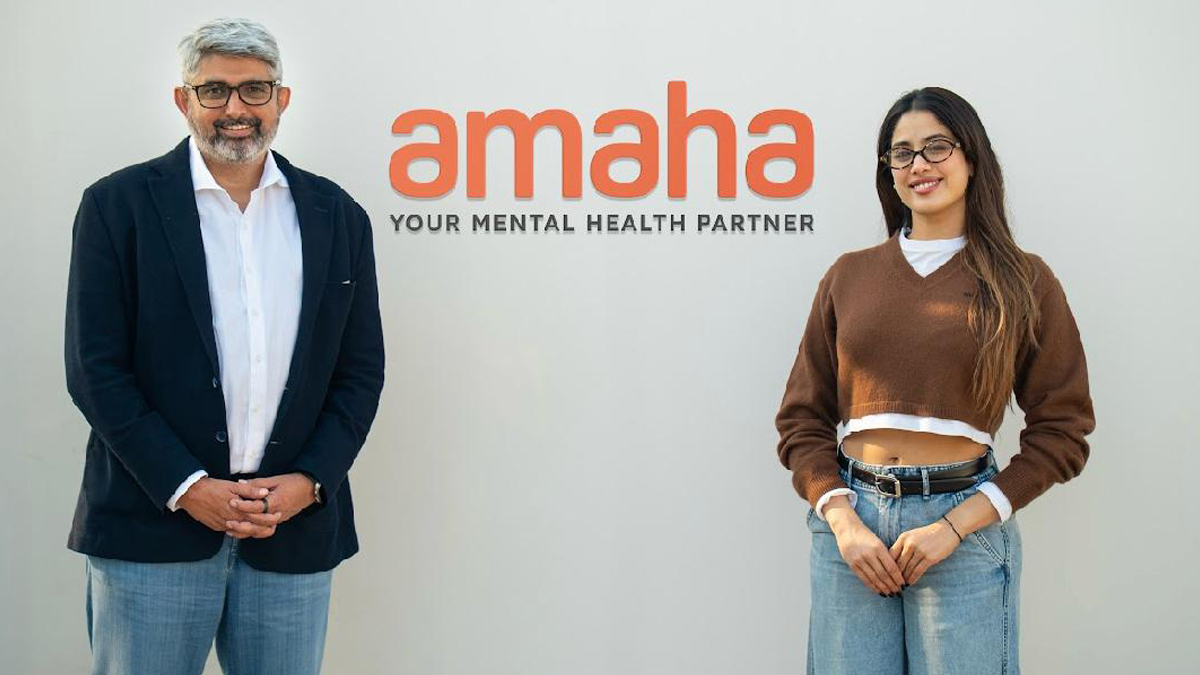
MUMBAI: Janhvi Kapoor has partnered with Amaha to launch Off the Rocks, an awareness-led initiative that seeks to reframe alcohol addiction as a clinical mental health condition rather than a moral failing.
The initiative comes at a time when alcohol consumption is increasingly normalised in social settings, yet awareness around dependency and addiction remains limited. According to estimates, nearly one in five alcohol users in India may face addiction, but many continue without diagnosis or access to professional care, often held back by stigma or lack of understanding.
Kapoor said the idea for the campaign stemmed from a gap she has observed in public conversations. “The conversation around alcohol is either completely absent or deeply judgmental, and neither serves the people who actually need support,” she said. “Alcohol addiction is real, it’s clinical, and it affects people across every walk of life.”
Off the Rocks is designed as a long-term, multi-format effort rather than a one-off campaign. It will feature expert-led discussions, personal stories, and accessible content aimed at building awareness, reducing stigma, and guiding individuals towards professional help.
To ensure clinical depth, Kapoor has teamed up with Amaha, a full-spectrum mental health organisation with a large network of psychiatrists and psychologists. The organisation brings both infrastructure and expertise, particularly in treating moderate to severe mental health conditions, including alcohol use disorder.
“Addiction sits at the intersection of neuroscience, psychology, and lived experience, and remains one of the most stigmatised conditions we see,” said Amaha founder and CEO Amit Malik. He added that the initiative would help connect public awareness with credible, evidence-based care.
Amaha currently operates across multiple cities with in-person centres and digital services, offering therapy, psychiatry, and self-care tools in several languages. Its platform has reached millions globally, reflecting a growing demand for structured mental health support in India.
With Off the Rocks, Kapoor and Amaha are attempting to shift the narrative from blame to understanding, and from silence to support. If it succeeds, the initiative could help more people recognise when social drinking crosses the line and, more importantly, where to turn next.






