MAM
Exhibit’s 501 Startups – a Pitching Event culminates on a high note

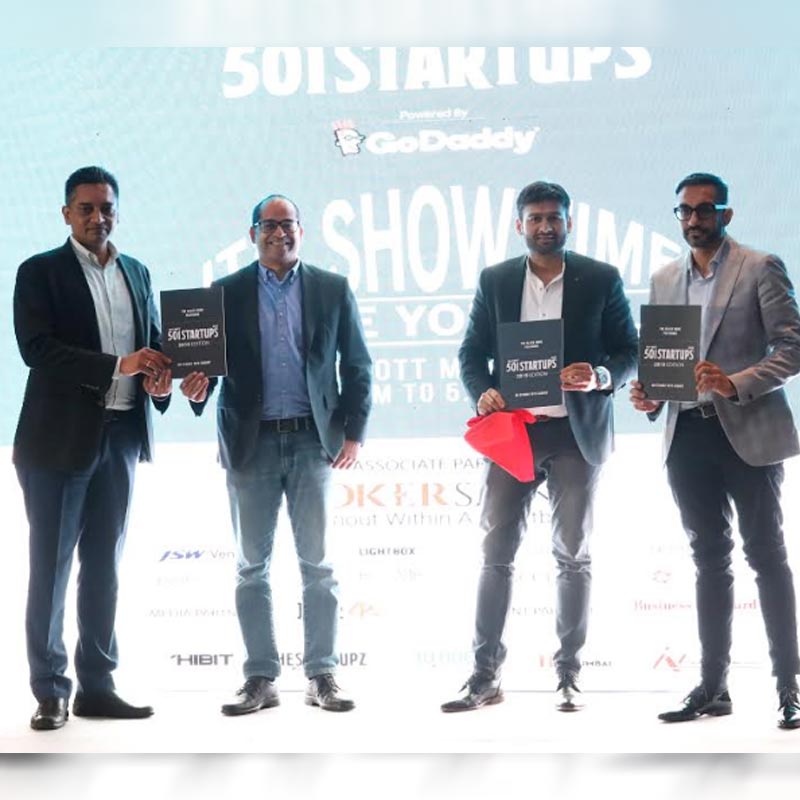
MUMBAI: Exhibit Magazine, India’s leading title on technology, fashion and lifestyle hosted the 6th edition of its prestigious startup pitching summit. Rechristened Exhibit’s 501 Startups, the event was held on 24th July at JW Marriott, Juhu, Mumbai where up-and-coming entities battled it out in front of an eminent panel, comprising venture capitalists and investors. Powered by GoDaddy and held in association with Poker Saint, Exhibit ‘501 Startups’ celebrated the startup wave in India, and brought to the forefront distinct startups from the nooks and corners of the country. The day-long pitching event was also supported by IAN, NASSCOM, TiE, Inc42 and Business Standard.
The conclave saw participation of startups with an operating cycle of at least a year; from verticals across technology, sports, e-commerce, food, hospitality and travel and the likes. The esteemed jury appointed for the sixth edition of the awards included Niren Shah of Norwest Ventures, Nikhil Arora of GoDaddy, Ashish Sharma of Innoven Capital, Mohit Dak & Nilesh Balakrishnan of Orios Venture Partners, Sajad Fazalbhoy of Blume Ventures, Harish Talreja and Varun Varma of Lightbox Ventures, Vishesh Sharma of Accel Partners, Dr. Apporv Ranjan Sharma of Venture Catalysts and Ramesh Somani of Exhibit Magazine.
Exhibit 501 Startups witnessed over 5000 registrations and concluded with 25 innovative startups making the final cut to present their business models amidst the stellar jury. From the call for entries, 501 startups will also feature in an exclusive issue that will bring to light the unique ideas of these young companies. Wearable startup tech – Broadcast Wearables emerged a clear winner securing maximum scores and was closely followed by ProMeTheUs, a human resource startup focussed on talent identification and mapping, who ranked second amongst competing organisations. Startups were adjudged basis uniqueness of their product idea, presentation, and business model.

Commenting on the prestigious summit, Ramesh Somani, CEO and Editor-In-Chief, Exhibit Group said, "We are elated with the response received for the 6th edition of Exhibit 501 Startups. It’s always amazing to see the startups come in and pitch with exemplary grit, determination and passion! The Indian startup machinery has churned out some promising startups, who are waiting for their one chance of sunshine. Being a startup myself, it gives us immense satisfaction in helping startups inch closer to their goal and we’re glad, we at Exhibit provide that stepping stone. Kudos to all the winners and look forward to next year."



MAM
Crocs and Lego launch new collaborative collection in India
Iconic brands bring playful creativity to footwear with first drop on 13 April 2026.
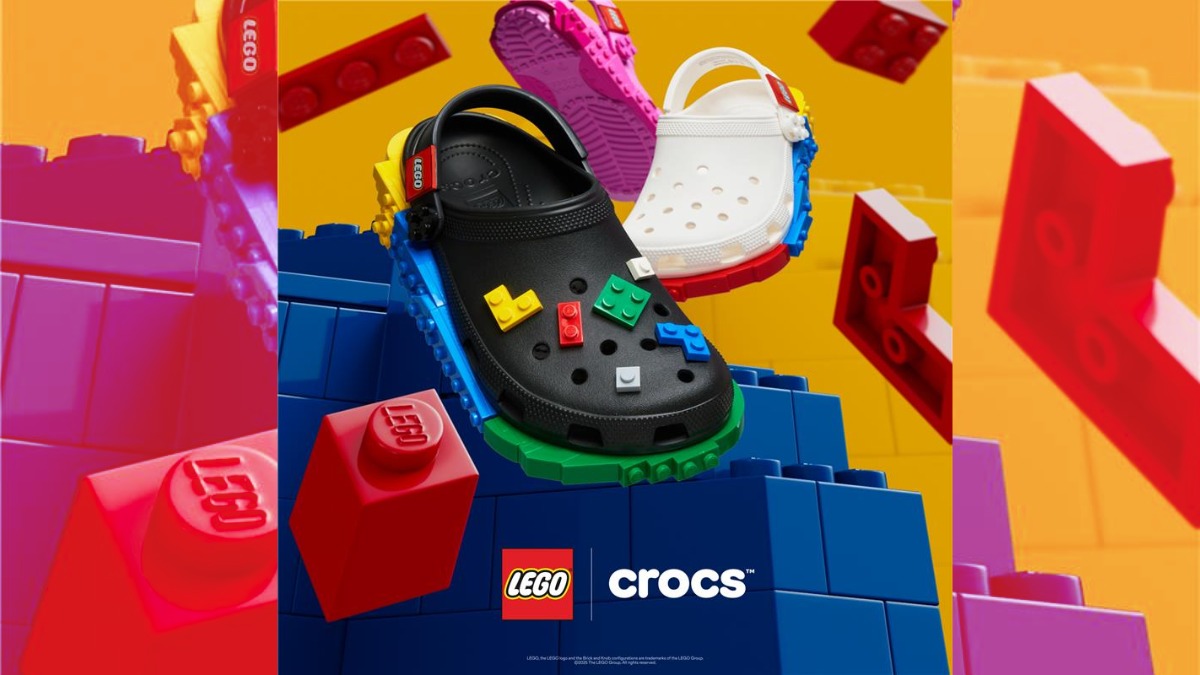
MUMBAI: Crocs and Lego have clicked together once again and this time, the bricks are heading straight for Indian feet. The global footwear brand Crocs has announced the India launch of its latest Crocs x Lego Group collection, following the excitement of their multi-year global partnership unveiled earlier this year. The collaboration celebrates creativity, play, and individuality, merging Crocs’ signature comfort with Lego’s iconic building-block spirit.
The collection will roll out in two phases. A digital-exclusive pre-launch begins on 13 April 2026 on crocs.in, featuring four styles: the Lego Masterbrand Creativity Clog, Lego Midnight Garden Creativity Clog, Lego Creativity Clog, and Kids’ Lego Creativity Clog. Each pair purchased during this phase will include an exclusive Lego minifigure as a collectible bonus.
From May 2026, the full collection will be available across select Crocs stores, VegNonVeg, and Foot Locker outlets nationwide.
The designs playfully blend Crocs’ classic clog silhouette with Lego brick-inspired details, complete with custom Jibbitz charms on the upper and sole. The collection encourages wearers to treat their footwear as a canvas for personal expression, without any set instructions just an open invitation to build, explore, and have fun.
Crocs chief marketing officer Carly Gomez said, “The Lego Group’s boundless imagination makes them the perfect match to Crocs’ wonderfully unordinary spirit. We are both brands that pride ourselves on being built different, celebrating self-expression and fuelling creativity.”
LEGO Group, head of licensing & extended line design & partnerships Satwik Saraswati added, “Our common mission to enable self-expression and wear it with pride only marks the beginning of a journey with endless possibilities.”
The campaign will extend beyond the product launch through creator-led seeding, elevated visual merchandising, and exclusive on-ground previews, supported by a deeper partnership with the Lego India team.
In a market that loves both comfort and fun, Crocs and Lego have built something special, a collection that lets every step feel like playtime. Get ready to click your heels (or rather, your clogs) because this collaboration is set to be a blockbuster hit with Indian fans.