Digital
“Enhancing customer experience (CX) is at the heart of modern IT solutions”: Nishant Sachdeva


Mumbai: Compunnel, a B2B tech leader at the cutting edge of the digital revolution. We bridge the gap between innovation and practical application, driving transformative growth across sectors including workforce management, IT consulting, e-learning, and healthcare.
The company excels in delivering innovative solutions in talent management, digital transformation, and healthcare. The company leverages cutting-edge technologies such as AI/ML, automation, and cloud computing to drive superior business outcomes for its clients. Compunnel’s comprehensive services include digital customer experience, IT consulting, business transformation, and custom application development, serving a diverse range of industries including manufacturing, retail, and finance.
Indiantelevision.com caught up with Compunnel VP of Digital Sales & Strategy Nishant Sachdeva where he shared numerous insights of the company.

Edited excerpts
On the essential elements of a robust IT strategy
Developing a robust IT strategy requires a blend of technological foresight, business acumen, and an understanding of industry-specific challenges. The essential elements of a robust IT strategy include alignment with business objectives, comprehensive risk management, scalability, and flexibility to adapt to changing market conditions. At Compunnel, we approach IT strategy development through a structured yet flexible process.
Firstly, we begin with a thorough assessment of the client’s current IT infrastructure and business goals. This involves identifying key performance indicators (KPIs) and understanding their operational challenges. According to a Gartner report, 70% of successful IT strategies are closely aligned with business strategies, highlighting the importance of this alignment.
Next, we focus on risk management by conducting a detailed risk assessment to identify potential threats and vulnerabilities. This ensures that our clients are prepared for various contingencies. In 2023, the average cost of a data breach was $4.45 million (IBM), underscoring the critical need for robust security measures in any IT strategy.
Scalability is another crucial element. With digital transformation accelerating across industries, it’s essential to design IT strategies that can grow with the business. For instance, cloud solutions and microservices architecture are popular choices that offer scalability and flexibility. According to Flexera’s 2023 State of the Cloud report, 94% of enterprises are already using cloud services, indicating a clear trend towards scalable solutions.
Finally, we emphasize continuous monitoring and improvement. Technology and business landscapes are constantly evolving, and so must the IT strategies. We regularly review and update our strategies to incorporate the latest advancements and address emerging challenges. This process ensures that our clients remain competitive and resilient in a dynamic market.
On automation currently transforming industries, and an example of a business process significantly improved by these technologies
Automation, powered by artificial intelligence (AI), is revolutionizing industries by enhancing efficiency, reducing costs, and driving innovation. From manufacturing to healthcare, AI-driven automation is reshaping business processes and unlocking new possibilities. A McKinsey report suggests that AI could potentially deliver up to $13 trillion in additional global economic activity by 2030.
One of the key areas where automation is making a significant impact is in supply chain management. Traditionally, supply chains have been complex and prone to inefficiencies due to manual processes and lack of real-time data. However, AI and automation are transforming supply chain operations by enabling real-time tracking, predictive analytics, and automated decision-making.
For instance, in the retail industry, companies are leveraging AI to optimize inventory management. Walmart, for example, uses AI algorithms to predict demand accurately, manage inventory levels, and automate restocking processes. This has led to a significant reduction in stockouts and excess inventory, ultimately improving operational efficiency and customer satisfaction.
Another compelling example is in the financial sector, where AI-driven automation is revolutionizing fraud detection. Financial institutions are deploying AI systems to analyze transaction patterns in real-time, identify suspicious activities, and prevent fraud. According to a PwC report, AI could help reduce fraud by up to 20%, saving billions of dollars annually.
Furthermore, in the healthcare industry, AI-powered automation is enhancing patient care and administrative efficiency. Automated systems are being used for tasks such as patient scheduling, electronic health records management, and even diagnostics. For example, radiology departments are utilizing AI algorithms to analyze medical images quickly and accurately, enabling faster diagnosis and treatment.
In conclusion, AI-driven automation is transforming industries by streamlining processes, enhancing decision-making, and delivering significant cost savings. As these technologies continue to evolve, we can expect even more profound impacts across various sectors.
On the strategies for creating IT solutions that enhance customer experiences
Enhancing customer experience (CX) is at the heart of modern IT solutions, and at Compunnel, we employ a customer-centric approach to design and implement these solutions. Our strategies are grounded in understanding customer needs, leveraging advanced technologies, and ensuring seamless integration with existing systems.
The first step in our approach is thorough customer research. We employ techniques such as customer journey mapping and user persona development to gain deep insights into customer behaviors, preferences, and pain points. According to a Forrester report, companies that excel at customer experience grow revenues 1.4 times faster than those that don’t, highlighting the importance of understanding customer needs.
Next, we harness the power of advanced technologies like AI, machine learning (ML), and data analytics to create personalized and intuitive experiences. For instance, AI-powered chatbots and virtual assistants can provide instant support and personalized recommendations, significantly enhancing customer satisfaction. A recent Gartner survey indicates that 85% of customer interactions will be managed without human intervention by 2025, underscoring the growing role of AI in CX.
Integration is another critical strategy. We ensure that our IT solutions seamlessly integrate with clients’ existing systems and processes. This not only minimizes disruptions but also leverages existing investments. For example, integrating CRM systems with AI-driven analytics tools can provide deeper insights into customer behaviors and preferences, enabling more targeted marketing and improved service delivery.
We also emphasize continuous feedback and improvement. Post-implementation, we gather customer feedback and monitor key performance indicators (KPIs) to assess the impact of our solutions. This data-driven approach allows us to make iterative improvements and ensure that the IT solutions evolve with changing customer expectations.
Finally, we focus on security and compliance. In an era where data breaches and cyber threats are rampant, ensuring the security of customer data is paramount. We adhere to best practices and regulatory standards to safeguard sensitive information, thereby building trust and enhancing the overall customer experience.
In a nutshell, our strategies for creating IT solutions that enhance customer experiences revolve around deep customer insights, advanced technologies, seamless integration, continuous improvement, and robust security measures.
On seeing these emerging technologies affecting key sectors such as manufacturing and retail
Emerging technologies such as artificial intelligence (AI), the Internet of Things (IoT), and blockchain are poised to transform key sectors like manufacturing and retail, driving innovation, efficiency, and new business models. At Compunnel, we are witnessing firsthand how these technologies are reshaping these industries.
In the manufacturing sector, AI and IoT are revolutionizing production processes and supply chain management. According to a report by PwC, AI in manufacturing is expected to contribute up to $2 trillion to the global economy by 2030. Smart factories equipped with IoT sensors and AI algorithms are enabling real-time monitoring, predictive maintenance, and process optimization. For example, General Electric uses AI to predict equipment failures before they occur, reducing downtime and maintenance costs. Additionally, IoT-enabled devices provide manufacturers with valuable data insights, leading to improved quality control and production efficiency.
In the retail sector, AI and blockchain are transforming the way businesses operate and interact with customers. AI-driven analytics are providing retailers with deep insights into customer behaviors, enabling personalized marketing and enhanced shopping experiences. A Deloitte study found that retailers using AI saw a 10% increase in customer retention. Furthermore, AI-powered chatbots and virtual assistants are improving customer service by providing instant, personalized support.
Blockchain technology is also making significant inroads in retail, particularly in supply chain transparency and traceability. By leveraging blockchain, retailers can provide customers with transparent information about the origin and journey of products, building trust and enhancing brand loyalty. Walmart, for instance, uses blockchain to track the provenance of its products, ensuring food safety and quality.
Moreover, augmented reality (AR) and virtual reality (VR) are creating immersive shopping experiences. Retailers like IKEA are using AR apps to allow customers to visualize furniture in their homes before making a purchase, enhancing the shopping experience and reducing return rates.
In conclusion, emerging technologies are driving significant changes in manufacturing and retail, enhancing efficiency, customer experience, and transparency. As these technologies continue to evolve, they will unlock new opportunities and business models, shaping the future of these key sectors.
On some of the memorable moments that have shaped your approach to digital sales and strategy?
Reflecting on my 19 years in the IT industry, several memorable moments have significantly shaped my approach to digital sales and strategy. These experiences have provided valuable insights into the evolving landscape of technology and the importance of staying ahead of the curve.
One of the most impactful moments was witnessing the rise of cloud computing. Early in my career, the shift from traditional on-premises infrastructure to cloud-based solutions represented a paradigm shift. I had the opportunity to work with several clients transitioning to cloud platforms, and the agility, scalability, and cost-efficiency it offered were game-changing. This experience underscored the importance of embracing new technologies to drive business transformation.
Another significant moment was the advent of big data and analytics. The ability to harness vast amounts of data and derive actionable insights revolutionized the way businesses operate. I remember implementing a big data analytics solution for a client in the retail sector, which resulted in a 20% increase in sales through more targeted marketing and improved inventory management. This experience highlighted the power of data-driven decision-making and its role in shaping effective digital strategies.
The rapid evolution of AI and machine learning has also been a pivotal journey. From early experiments with simple automation tools to deploying sophisticated AI-driven solutions, the journey has been transformative. A standout project involved implementing an AI-powered customer service chatbot for a major financial institution, which significantly improved customer satisfaction and reduced operational costs. This project reinforced my belief in the potential of AI to revolutionize business processes and customer experiences.
Additionally, the COVID-19 pandemic was a defining moment that accelerated digital transformation across industries. The sudden shift to remote work and the need for digital solutions to ensure business continuity highlighted the importance of agility and innovation. Leading digital transformation initiatives during this period, including the rapid deployment of remote collaboration tools and virtual customer engagement platforms, was both challenging and rewarding.
In summary, these memorable moments have shaped my approach to digital sales and strategy by emphasizing the importance of embracing emerging technologies, leveraging data for decision-making, and maintaining agility in the face of rapid change. These experiences continue to guide my efforts in driving digital transformation for our clients.
On advice you would offer to upcoming IT leaders who aspire to make a significant impact in digital transformation and strategy
As an experienced IT leader, my advice to upcoming IT leaders aspiring to make a significant impact in digital transformation and strategy is grounded in continuous learning, strategic thinking, and strong leadership.
Firstly, embrace continuous learning and stay updated with emerging technologies. The IT landscape is constantly evolving, with new technologies such as AI, blockchain, and quantum computing reshaping industries. A commitment to lifelong learning and professional development is essential. Engage in industry conferences, webinars, and certifications to stay abreast of the latest trends and innovations. According to LinkedIn’s 2023 Workplace Learning Report, 94% of employees would stay at a company longer if it invested in their learning and development.
Secondly, focus on developing a strategic mindset. Successful digital transformation goes beyond technology implementation; it requires a clear vision and alignment with business objectives. Understanding the broader business context and how technology can drive value is crucial. McKinsey’s research indicates that companies with a well-defined digital strategy are 1.5 times more likely to report successful digital transformations.
Building strong leadership and communication skills is also vital. Digital transformation initiatives often involve significant change management and require buy-in from various stakeholders. Effective communication, empathy, and the ability to inspire and motivate teams are key attributes of successful IT leaders. A study by Harvard Business Review found that companies with strong leadership capabilities are 2.3 times more likely to deliver high performance.
Collaboration and networking are equally important. Building a strong professional network can provide valuable insights, support, and opportunities for collaboration. Engage with industry peers, join professional organizations, and seek mentorship from experienced leaders. According to a Deloitte study, companies that foster a culture of collaboration are five times more likely to be high-performing.
Lastly, cultivate a customer-centric approach. Understanding and prioritizing customer needs can drive innovation and enhance the impact of digital transformation initiatives. Utilize customer feedback and data analytics to continuously improve products and services, ensuring they deliver real value to end-users.
Aspiring IT leaders should focus on continuous learning, strategic thinking, strong leadership, collaboration, and a customer-centric approach to make a significant impact in digital transformation and strategy. These principles will equip them to navigate the dynamic IT landscape and drive meaningful change in their organisations.





Introduction
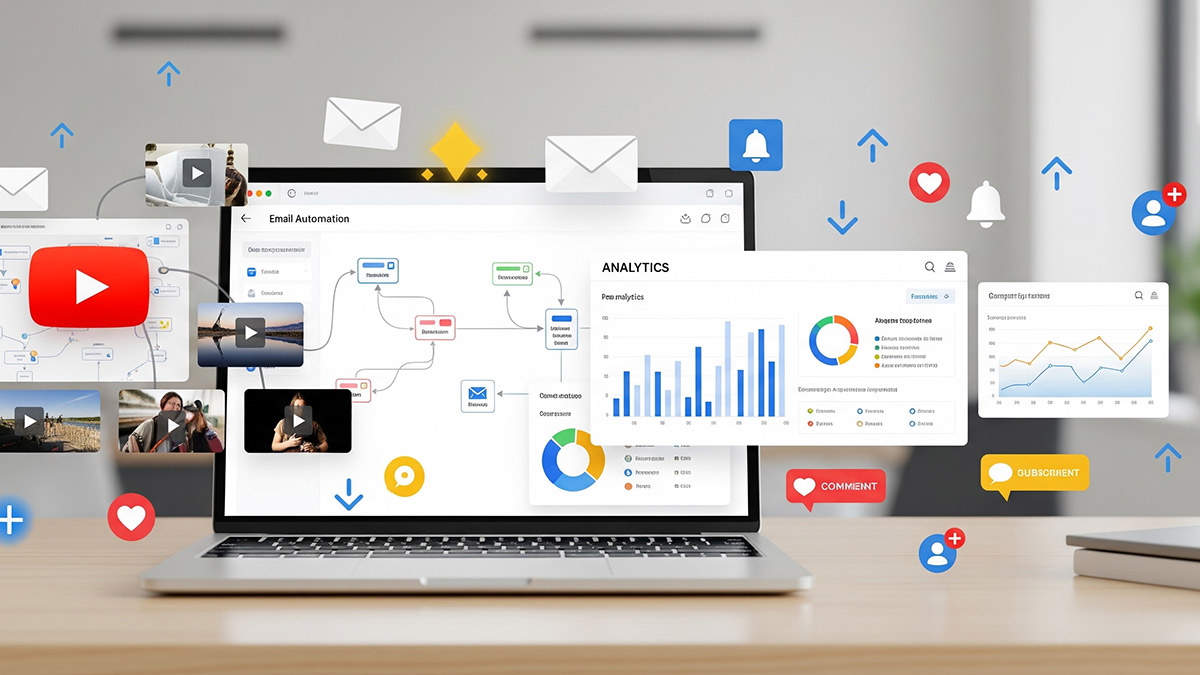
In the modern digital landscape, businesses are constantly seeking innovative ways to reach their audience, build relationships, and drive conversions. Two of the most powerful tools in digital marketing today are email automation and YouTube marketing. These strategies not only help brands engage with their audience but also provide measurable results that can significantly impact business growth. Platforms like ExamCollection offer valuable insights and resources for mastering these techniques. In this article, we will explore how email automation and YouTube marketing can transform your digital strategy and help you achieve long-term success.
The Power of Email Marketing Automation
Email marketing remains one of the most effective channels for communication and conversion. However, manually managing email campaigns can be time-consuming and inefficient. This is where marketing automation comes into play. Automation tools allow businesses to send personalized messages based on user behavior, preferences, and engagement patterns. This not only improves efficiency but also enhances the customer experience.
Benefits of Marketing Automation
Marketing automation provides several advantages, including increased productivity, improved targeting, and better customer retention. By automating repetitive tasks, businesses can focus on strategy and creativity. Additionally, automation enables marketers to segment their audience and deliver highly relevant content, which leads to higher open rates and conversions. It also provides valuable analytics that help optimize campaigns for better performance.
How to Master Email Automation
To master email automation, businesses need to understand their audience and create targeted campaigns. This involves setting up workflows, designing engaging email templates, and analyzing performance metrics. Tools like CRM systems and automation platforms can help streamline the process. Learning from expert guides and resources can significantly improve your skills and results.
The Rise of YouTube Marketing
YouTube has become one of the most influential platforms for digital marketing. With billions of users worldwide, it offers businesses an فرصة to reach a massive audience. Video content is highly engaging and can convey messages more effectively than text or images. As a result, many brands are investing in YouTube marketing to build their online presence and connect with their audience.
Key Strategies for YouTube Success
Successful YouTube marketing requires a well-planned strategy. This includes creating high-quality content, optimizing videos for search, and engaging with viewers. Consistency is also crucial, as regular uploads help build a loyal audience. Additionally, using analytics tools can help track performance and identify areas for improvement.
Explore more: https://www.examcollection.com/blog/master-youtube-marketing-with-these-10-powerful-steps/
Combining Email and YouTube Marketing
Integrating email automation with YouTube marketing can create a powerful synergy. For example, businesses can use email campaigns to promote new videos, share exclusive content, and drive traffic to their YouTube channel. Similarly, YouTube videos can encourage viewers to subscribe to email lists, creating a continuous cycle of engagement. This integrated approach can significantly enhance marketing effectiveness.
The Role of Data and Analytics
Data plays a crucial role in both email and YouTube marketing. By analyzing user behavior and engagement metrics, businesses can make informed decisions and optimize their strategies. Metrics such as open rates, click-through rates, watch time, and subscriber growth provide valuable insights into campaign performance. Using these insights, marketers can refine their approach and achieve better results.
Challenges and How to Overcome Them
While email automation and YouTube marketing offer numerous benefits, they also come with challenges. These include content creation, audience engagement, and staying updated with changing algorithms. To overcome these challenges, businesses need to invest in continuous learning and adapt to new trends. Leveraging reliable resources and expert guidance can make a significant difference.
Future Trends in Digital Marketing
The future of digital marketing is likely to be shaped by advancements in artificial intelligence, personalization, and interactive content. Automation tools will become more sophisticated, enabling even more personalized experiences. Video content will continue to dominate, with platforms like YouTube playing a central role in marketing strategies. Businesses that stay ahead of these trends will have a competitive advantage.
FAQ
1. What is email marketing automation?
Email marketing automation involves using software to send targeted and personalized emails based on user behavior and preferences.
2. Why is YouTube important for marketing?
YouTube provides a platform to reach a large audience and engage users through video content.
3. Can small businesses benefit from these strategies?
Yes, both email automation and YouTube marketing are highly scalable and suitable for businesses of all sizes.
4. How can I improve my email open rates?
By creating compelling subject lines, segmenting your audience, and delivering relevant content.
5. What tools are used for YouTube marketing?
Tools like video editing software, analytics platforms, and SEO tools are commonly used.
Conclusion
Digital marketing is evolving rapidly, and businesses must adapt to stay competitive. Email automation and YouTube marketing are two powerful strategies that can drive significant growth when implemented effectively. Email automation allows businesses to deliver personalized and timely messages, improving customer engagement and retention. On the other hand, YouTube marketing provides a platform to connect with a vast audience through engaging video content. By combining these strategies, businesses can create a comprehensive marketing approach that maximizes reach and impact. Platforms like ExamCollection offer valuable resources that help marketers understand and implement these techniques effectively. The integration of data and analytics further enhances the effectiveness of these strategies, enabling businesses to make informed decisions and optimize their campaigns. However, success in digital marketing requires continuous learning, creativity, and adaptability. As technology continues to advance, new opportunities and challenges will emerge. Businesses that stay updated with the latest trends and leverage the right tools will be well-positioned for success. Ultimately, mastering email automation and YouTube marketing can lead to increased brand visibility, higher engagement, and improved conversion rates. By investing time and effort into these strategies, businesses can achieve sustainable growth and long-term success in the competitive digital landscape.






