MAM
Education, healthcare topped list of misleading ads in 2020: ASCI

MUMBAI: Advertising Standards Council of India (ASCI) has said that the third quarter of 2020 witnessed a surge in number of consumer complaints after an initiative driven quarter by the Ad industry regulator to increase consumer awareness.
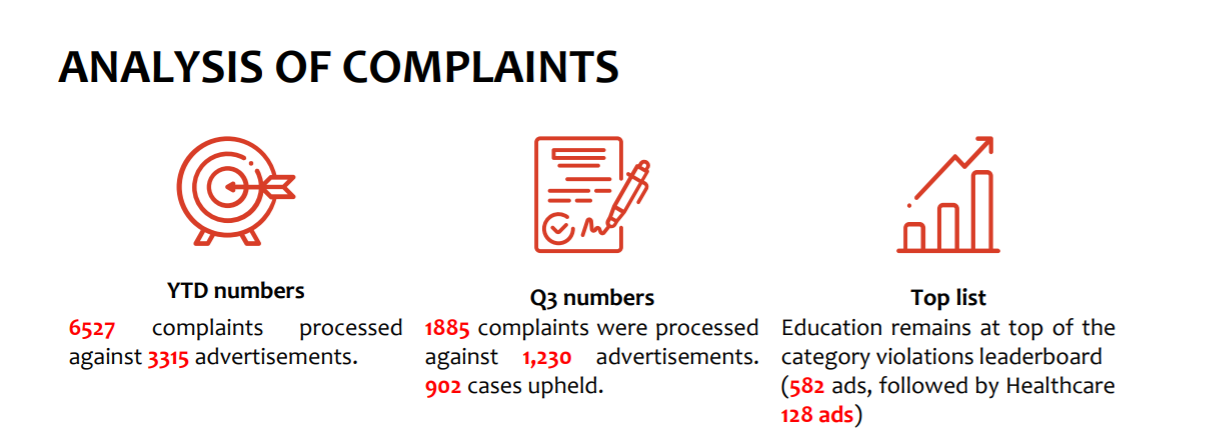
Between October and December, the ASCI team received 1,885 complaints originating from 1,230 advertisements, the regulatory body said in its Complaints Analysis Report – Q3 FY (2020-21). It noted that the Industry focused initiatives it led for consumer protection and streamlining of processes for effective self-regulatory practices had had a high impact.
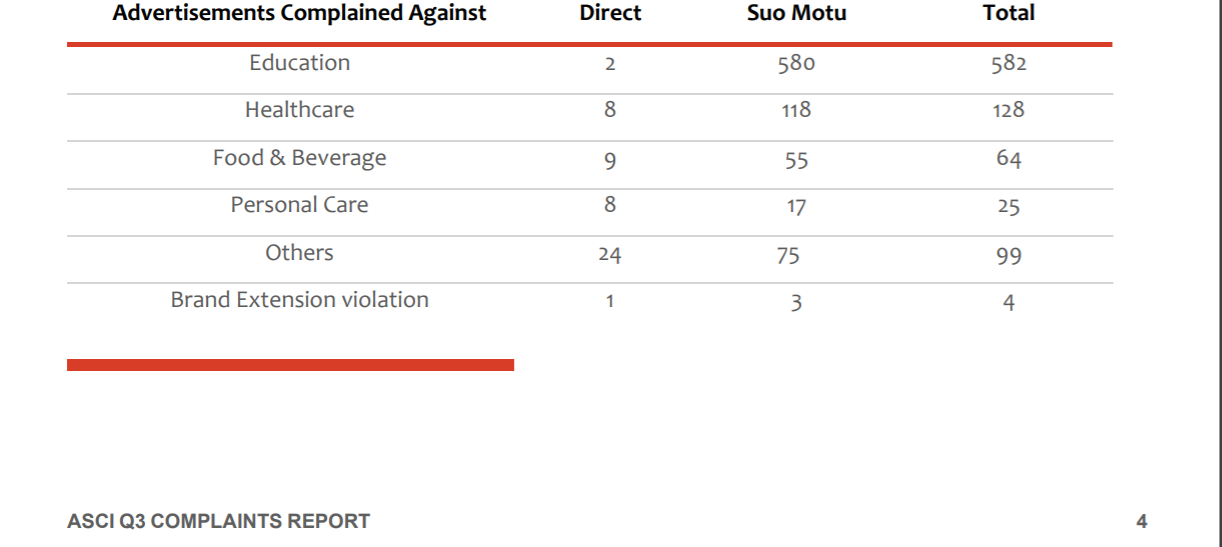
251 of the 1,230 advertisements were either withdrawn or amended by the advertisers on receipt of communication from ASCI. From the remaining advertisements, ASCI’s independent Consumer Complaints Council (CCC) upheld complaints against 902 advertisements. Of these, a whopping 582 or almost 65 per cent ads belonged to the education sector and 128 from healthcare, 64 from food and beverages, 25 from personal care, 99 from other categories. Complaints against 77 advertisements were not upheld as these advertisements were not found to be in violation of the ASCI code.

Some of the key themes of false claims or code violations that emerged during the quarter October-December were:
– Education ads with false claims of job guarantees, placements, etc.
-Healthcare ads with false claims about Covid2019 cures and preventions advertising.
Other complaints included those against brands issuing comparative advertisements while prominent cases against honey brands were also in the spotlight. During the third quarter, complaints regarding surrogate advertising also picked up post the IPL.
In October 2020, ASCI introduced the Covid2019 advisory for advertisers, to protect consumers from being misled during the pandemic. Soon after, in November 2020, ASCI introduced guidelines for online gaming for “real-money winnings”, to protect audiences from risks associated with games involving real money. The guidelines received much appreciation and backing from the ministry of information and broadcasting. Earlier in 2020, the council had also introduced guidelines for usage of awards/rankings in advertisements by brands. Early September, it expanded its national Advertising Monitoring Service (NAMS) to add digital advertising to its suo motu screening. More than 3,000 digital platforms are being currently tracked by the regulatory body.
The initiatives sparked conversations in the media, on social media and various other forums, which further helped drive consumer education and awareness. Additional impact of the constant buzz on various channels was the spike in the number of complaints processed by ASCI for the quarter.
Overall in 2020, ASCI looked into 6,527 complaints that were registered against 3,315 advertisements, of which 2,357 were upheld. Education (1,062) and healthcare (827) topped the list for the year as well. Some of the numbers for other categories, 117 food and beverage advertisements were complained, 63 against personal care, 17 violations of guidelines for brand extension, 22 against real estate, 10 against visa and immigration services and 239 against ads from other categories.
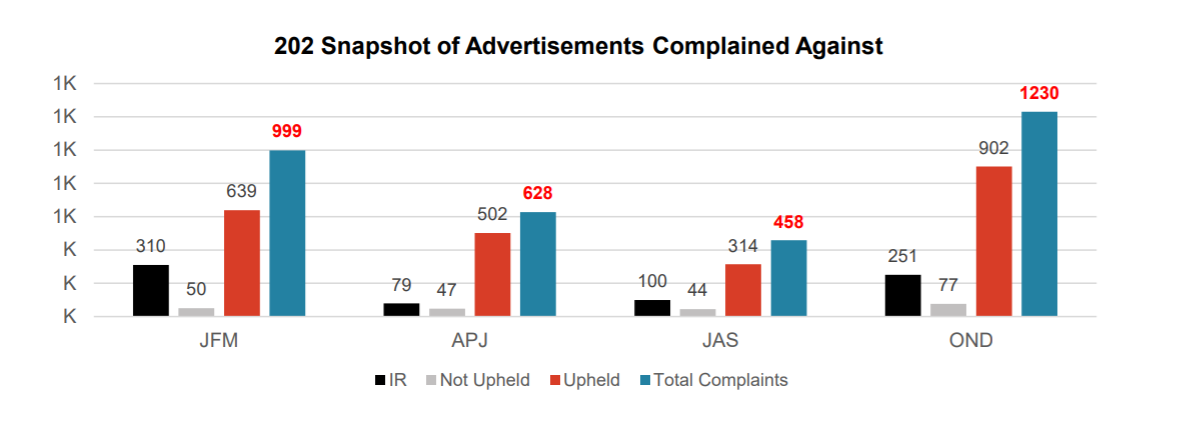
ASCI secretary general Manisha Kapoor said: “The third quarter of the financial year involved initiatives leading to positive impact on the industry and stakeholders. The quarter recorded the highest numbers in terms of complaints processing, compared to the previous two quarters which were a direct outcome of the pandemic. We hope to continue this momentum in the year ahead.”






Brands
IICT partners with Gativedhi to bring studio production tools to students
New MoU lets students explore AI-driven production pipelines for AVGC-XR
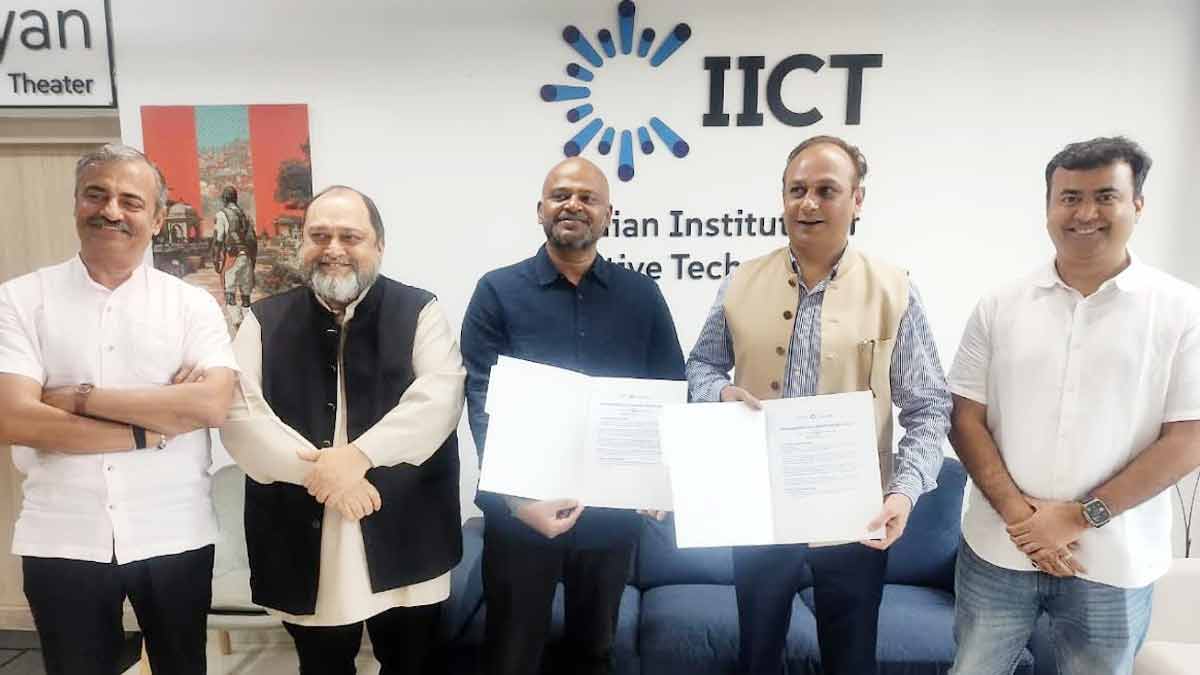
MUMBAI: The Indian Institute of Creative Technologies (IICT) has teamed up with Gativedhi Technologies to give students a front-row seat to modern studio production. The collaboration will integrate Gativedhi’s AI-powered production intelligence platform, Shotrack, into academic programmes, letting students experience the workflow systems used by animation, VFX and gaming studios.
Under the MoU, faculty, students and researchers will get hands-on access to Shotrack through beta programmes, pilot deployments and academic evaluations. This will allow them to explore simulated production pipelines, understand asset management, track tasks and monitor schedules, essentially seeing how complex projects come together behind the scenes.
Shotrack is designed to tackle a key industry challenge: when multiple studios work on the same project, differing internal systems often create bottlenecks, slow approvals and complicate version control. The platform provides a unified production environment, enabling smoother collaboration across distributed teams while generating operational insights and predictive analytics to optimise crew allocation, forecast schedule risks and manage costs.
The collaboration also opens doors to Gativedhi’s wider ecosystem. Upcoming tools include StudioTrack, for studio operations management covering budgeting, recruitment and IT infrastructure, and WorkTrack, which measures workflow efficiency and team productivity across industries.
IICT plans to embed these tools into programmes covering animation pipelines, VFX workflows, gaming production and media project management. Students will also benefit from guest lectures, masterclasses, workshops, internships and research projects that connect academic learning with real-world studio practices.
IICT CEO Vishwas Deoskar, said the partnership provides “An environment where production pipeline tools can be explored, tested and refined while students gain insight into how large-scale productions are organised.”
Gativedhi Technologies founder & CEO Senthil Kumar added, “This collaboration introduces students to real-world studio management tools and helps us improve our platform with academic feedback.”
With Shotrack in classrooms, India’s future animators, VFX artists and gaming producers will get a taste of studio life long before they step into one.