MAM
EC to screen govt ads; PM photo on hoardings disallowed

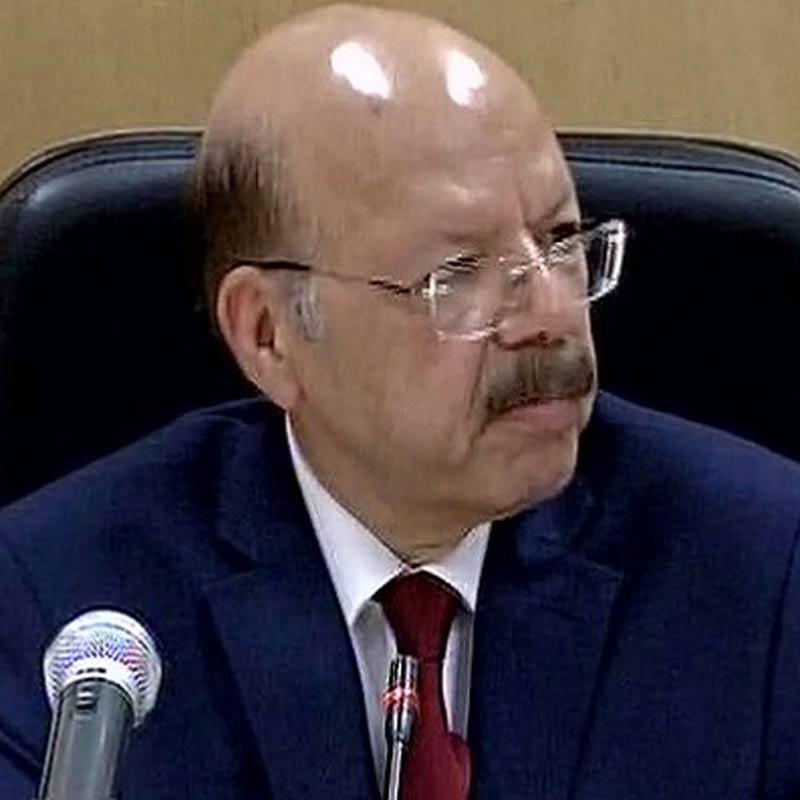
NEW DELHI: Even as the Election Commission has set up committees to screen and clear government advertisements in various forms in the five poll-bound states, it has asked the cabinet secretary to remove the prime minister Narendra Modi’s photograph from hoardings at petrol pumps in Goa and gas consumer certificates in Uttarakhand.
These committees will examine all ads including those for audio-visual media including television and radio.
“The Commission had received a complaint that, in Goa, hoardings with photographs of the prime minister were displayed at petrol pumps. The Commission had issued necessary directions on 6 January,” said a letter to the cabinet secretary.

The Commission said it had also received a press clipping showing that certificates bearing the prime minister’s photograph were being distributed by oil companies to the LPG consumers in Uttarakhand who had surrendered gas subsidy.
“This is not permissible under the Model Code of Conduct or under the ECI instructions. You are requested to ensure that the instructions are brought to the notice of all concerned for strict compliance in letter and spirit,” the Commission said.
Earlier this week, the EC had reminded all concerned about its 2004 order that government-funded advertisements which publicise achievements of political functionaries or parties violate the Model Code of Conduct guidelines.
The Commission had said the posters that publicise achievements of political parties or their functionaries should be either removed or covered suitably in the poll-bound states. Only those government hoardings with general messages on social welfare schemes and awareness campaigns are allowed.
ALSO READ: Schedules fixed for broadcasts in five poll-bound states
ALSO READ: Poll schedule on social media shows unprecedented reach







MAM
Promotedge marks 11 years with expansion into D2C and performance marketing
Kolkata-based agency strengthens global footprint and launches new platforms.
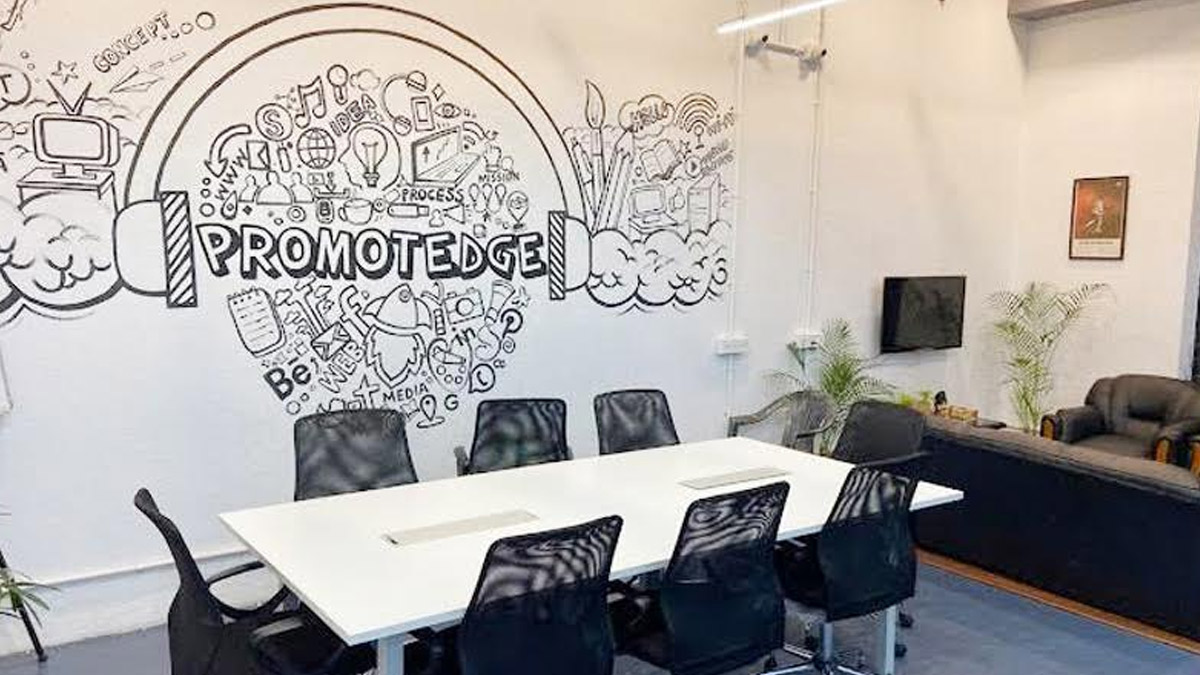
MUMBAI: Promotedge has spent 11 years quietly building momentum and now it’s ready to take a much bigger leap. The Kolkata-based integrated marketing and branding agency, founded in 2015, has completed 11 years of steady growth, evolving from a local creative firm into a full-service marketing partner with a growing international presence. With operational hubs in the US and Canada through its platform PromotEdgeDigital, the agency now serves clients across India, the US, Canada, Australia, and the Middle East.
Over the past 11 years, Promotedge has partnered with more than 200 businesses across diverse industries. Guided by its “Digitally Desi” philosophy which blends cultural insight with data-driven execution, the agency offers end-to-end services including web solutions, digital marketing, creative design, brand planning, and audio-visual production.
In its eleventh year, the agency made significant strides by developing branded IPs and content series for the automotive and industrial sectors, creating audio-visual content for international sporting bodies like the Fédération Internationale de Volleyball, and strengthening its performance marketing capabilities, particularly on quick-commerce platforms such as Zepto, Blinkit, Flipkart, and Swiggy Instamart.
To further boost its D2C focus, Promotedge has integrated the operations of Fizzle Digital into its performance marketing division, now led by founders Avi Saraf and Jhalak Agarwal. The agency continues to serve B2B clients in sectors like steel, energy, engineering, and infrastructure.
Beyond traditional services, Promotedge has introduced new platforms. DesiMachines is an online marketplace for heavy engineering and construction equipment, supported by two financial institutions and six top OEMs. The agency also launched Pexora, a joint venture with Prodigy focused on workspace design, branding, experiential marketing, and Digital Out-of-Home (DOOH) solutions in Eastern and North Eastern India.
Additionally, Promotedge nurtures The Trip Space, a boutique travel brand that curates personalised, luxury journeys for high-net-worth travellers.
Promotedge CEO Saurav Agarwal said, “PromotEdge has always been built with a long-term vision. Our goal is to develop capabilities that provide long-term value to our clients.”
As it approaches its 12th year, the agency plans to expand its global clientele, deepen D2C and performance marketing capabilities, invest in AI-enabled solutions, and strengthen its platform-led initiatives.
From a modest start in Kolkata to building platforms and partnerships across borders, PromotEdge is proving that smart, culturally rooted marketing can travel far and deliver real impact. The agency is clearly gearing up for an even bigger chapter ahead.






