MAM
Disruption edition Forbes India turns sweet sixteen with giant strides


MUMBAI: Who says turning sixteen can’t come with serious swagger? Forbes India has marked its 16th anniversary not with cake and candles, but with a hard-hitting, forward-looking special edition titled Giant Strides, a tribute to the power of disruption as the engine of transformation. Themed around seismic shifts shaping the country’s economy, society and culture, the commemorative issue brings together some of India’s sharpest minds and boldest voices.
From boardrooms to Olympic podiums, this edition rounds up a powerhouse lineup: Mercedes-Benz India CEO Santosh Iyer, Tata Power Praveer Sinha, Infosys co-founder Nandan Nilekani, Info Edge Sanjeev Bikhchandani, Mahindra Rajesh Jejurikar, Zydus Group Sharvil Patel, and even Olympic gold medallist Abhinav Bindra, who steps in to talk about mental health and elite sport.
The essays span everything from clean energy to AI, manufacturing to healthcare, charting India’s reinvention across sectors. These aren’t just nostalgic reflections; they’re bold blueprints for the road ahead, a call to embrace reinvention with urgency, clarity and intent.

Ditching its usual cover design, the issue features a striking new visual identity, a bold aesthetic shift that mirrors the theme of transformation itself. It’s disruption, by design.
In keeping with Forbes India’s mission since its 2009 debut, this edition doubles down on future-forward storytelling, shining a light on the entrepreneurs, thinkers and leaders driving the next chapter of India’s growth. Because in the age of disruption, standing still isn’t an option, it’s a liability.
You can grab a copy at your nearest newsstand or digitally. But don’t expect a nostalgia fest. This is not a rear-view mirror moment, it’s a periscope into possibility.
Sixteen years in, and Forbes India is still writing tomorrow’s headlines today.






MAM
Beacon Group appoints Dr Rajesh Patel as Group CEO
36-year healthcare veteran to lead Beacon Diagnostics, Vector Biotek, Biogeny.
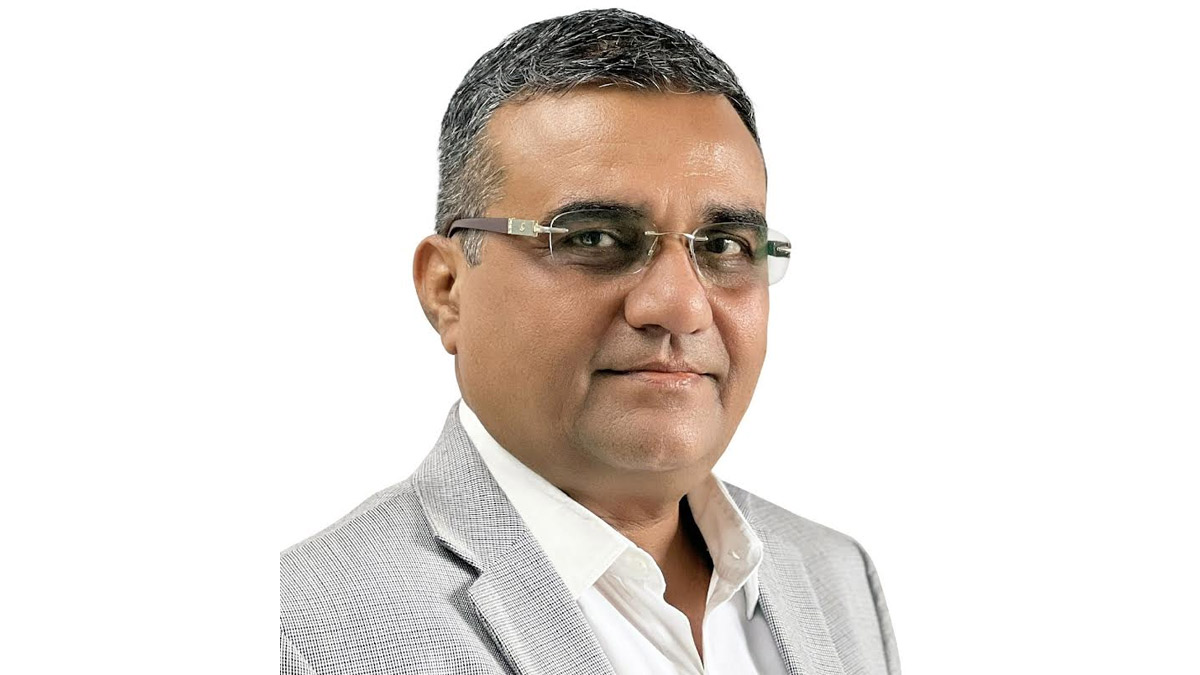
MUMBAI: A new chief, a fresh diagnosis and a sharper prescription for growth. Beacon Group has appointed Dr Rajesh Patel as its Group Chief Executive Officer, effective April 1, 2026, signalling a decisive push to scale its presence in the diagnostics and IVD space. Patel steps into the role with 36 years of experience across the healthcare and diagnostics industry, bringing a career shaped by leadership roles spanning sales, marketing, business development and operational strategy. His mandate is both expansive and precise: to steer the group’s overall strategic direction while tightening coordination across its three core entities Beacon Diagnostics, Vector Biotek and Biogeny Diagnostics.
In practical terms, that means driving cross-company synergies, accelerating market expansion and strengthening organisational capability areas increasingly critical as diagnostic players compete for scale in a fragmented yet rapidly evolving healthcare ecosystem. The group is positioning itself to capture unmet demand across chain laboratories, key accounts and standalone labs, segments that remain underserved despite growing diagnostic needs.
The appointment comes at a time when the In Vitro Diagnostics (IVD) sector in India is entering a more competitive and innovation-led phase, with companies focusing not just on product pipelines but also on service delivery, integration and customer-centric models. Beacon’s leadership appears to be betting that Patel’s execution-focused approach can help translate ambition into operational momentum.
Welcoming the appointment, Chairman Dr D K Joshi described Patel’s induction as a strategic move aligned with the group’s long-term vision, emphasising the role of leadership depth in navigating the next phase of growth.
For Beacon Group, the message is clear, in a sector where precision matters, leadership is the new differentiator—and this appointment is intended to set the tone for what comes next.






