MAM
DigitasLBi creates global VR experience for OnePlus 3 launch


Mumbai, June 15, 2016: OnePlus, the global technology start-up, is launching its third flagship smartphone –in virtual space. Behind this creative and break-through use of virtual reality technology is the combined efforts of creative and technology professionals from DigitasLBi.
‘The Loop’ is the name of the VR experience that creates a mélange of never ending animations in a virtual space station high above the Earth’s surface. While inside The Loop, users can explore many of the key features of the new OnePlus 3, and even order the smartphone in the virtual world – and then have it delivered to the real one.
“To create the most realistic and immersive experience possible, we’ve employed a number of innovative, never-before-seen, usages of CGI and 4D technologies, as well as 360° films,” explains DigitasLBi Nordics creative director Rasmus Frandsen. “Together, these create an experience designed to excite the global community of OnePlus fans, as well as tech enthusiasts.”

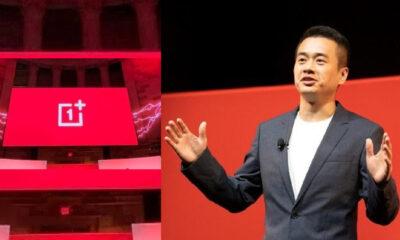
“Last year OnePlus held the first-ever product launch in VR. This time with The Loop, we’re taking things a step forward by pushing accessible VR technology to its outer limits,” said OnePlus co-founder and head of global Carl Pei. “It’s going to go down in history as the first global shopping experience in VR!”
The OnePlus 3 launched on June 14, 2016, and The Loop can be downloaded from Google Play and the App Store. For the first 2.5 hours OnePlus 3 could only be ordered from inside The Loop.
About the campaign:
The campaign delivers the world’s first VR looping animation. Using a VR headset, potential customers are welcomed on board the OnePlus office of the future – a spacecraft called The Loop. While on board, visitors receive a tour of the spacecraft and an introduction to the OnePlus 3, as well as the opportunity to purchase the OnePlus 3 directly in the VR experience.
The solution sets a new standard for VR experiences on smartphones. The campaign creates an interactive and engaging experience through ingenious use of seamlessly looped Hollywood quality CGI 3D stereoscopic visuals. The custom VR playback engine is optimized for low latency, high resolution, high frame-rate mobile VR immersion, making it possible for viewers to enjoy a rich VR experience on a normal smartphone.
The campaign will run in the US, Europe, India and China.
The trailer can be seen here:






MAM
WPP appoints Estée Lauder’s Anne-Isabelle Choueiri as chief transformation officer
Former Estée Lauder executive to lead operations, technology and culture overhaul under WPP’s three-year growth plan

LONDON: WPP has appointed Anne-Isabelle Choueiri as chief transformation officer in a newly created role tasked with delivering the group’s Elevate28 strategy.
Choueiri joins from The Estée Lauder Companies, where she led enterprise-wide strategic initiatives, including the “One ELC” operating model and major upgrades to enterprise marketing, data and analytics capabilities. She also led the redesign of enterprise technology teams and served on the company’s AI taskforce, driving AI strategy, adoption and value realisation across the business.
At WPP, she will be responsible for designing, implementing and embedding the operating model behind Elevate28, the company’s three-year growth plan unveiled in February 2026. She will lead efforts to improve innovation, efficiency and integration across WPP’s client offerings, with a focus on delivering agile, outcome-driven solutions and measurable growth.
Choueiri will oversee organisational transformation across the group, working closely with product and enterprise technology teams to deploy AI, data and technology to build new capabilities and improve operational performance. She will also work with the people function to embed cultural change, strengthen an agile performance mindset and support talent development across the organisation.
Before joining Estée Lauder, she held senior roles across consulting and digital agencies, including at Accenture, Masaï (a Bain & Company spin-off), and Kearney, with experience spanning strategy, data and digital marketing transformation.
Cindy Rose, chief executive officer of WPP, said Choueiri brings a strong track record of leading large-scale transformation across operations, technology and culture, adding that her appointment will help accelerate the group’s next phase of growth under Elevate28.
Choueiri said WPP’s strategy represents an ambitious opportunity to reshape how the company operates and delivers for clients, adding that she looks forward to building integrated solutions and fostering a culture of innovation and change.
She will be based in New York and will join WPP’s executive committee.







