MAM
Digital world should pave path for targeted ads


MUMBAI: While there is talk about the growth of digitisation in India, the fact is that advertisers are not getting the benefit of it in India. The reason: the insertion of ads on local cable networks is not being monitored.
If the Indian cable industry was to be digitised, targeted and interactive advertising would be more feasible. The industry can also make ads to target geographical areas.
These were some of the key points made at the session on ‘Vas Advertising and New Business Models‘ at the India Digital Pay-TV Summit organised by indiantelevision.com and MPA. The speakers were Madison Media Group CEO Punitha Arumugam, NDS director ad solutions Asia Pacific Darryn Rodricks, Amagi Media Labs co-founder K.A. Srinivasan, Lukup Media director Kalol Borah and IndusInd Media & Communications VP Subhashis.
Arumugham said advertisers look for targeting and interactivity in a digital environment. “We are not getting what we want. The options to reach scale are limited. DTH is still a one way dialogue.”
Rodricks noted that with NDS Dynamic, an advanced ad solution that offers geographical targeting, you do not need to have a two-way connect.
“The solution is deployed at a household level. The solution gives broadcasters information on the interactive services being used. The aim is to not to displace but to complement the existing ratings system. Broadcasters know which homes they should target,” Rodricks said.
Srinivasan said his platform has 500 advertisers most of whom are local. They can reach their audience in an affordable manner. “The aim going forward is to have both national and regional brands advertising. Now there is a situation where national brands want to go local. For them targeted advertising would be beneficial. The challenge is to create an ecosystem for a targeting ad solution to work.”
But the key issue is that of monitoring. Unless TV ratings agency TAM sets up different headends, this might be a challenge.
Advertising on local channels run by cable operators is not exploited to the full. “We can only push clients to a certain extent. Cable operators should come across as a consolidated whole like the broadcasters,” said Arumugam.
Subhashis noted that CVO, a cable movie channel, attracted ads but placement charges outstripped its earnings. The situation would improve if operators and MSOs tied up with agencies to work together. “In a digitised world, a cable operator would be able to offer a 1000 channels. You could have server-based channels. You can also tie up with foreign companies like Scripps,” he said.
Cable TV operators could work with a ratings agency abroad so that advertisers could know the benefit of running their ads on a cable channel.
Arumugam questioned the feasibility of more than one ratings system. TAM is unable to go into rural markets as the industry doesn‘t fund it.
Borah noted that Vas services in cable are different from DTH. “You do not need a two-way path. The key issue is that of digitisation. MVoD can serve up different ads in different cities,” he said.


Brands
Emami names Dhruv Aggarwal as chief growth officer
Former Bain partner steps in as FMCG firm sharpens growth playbook
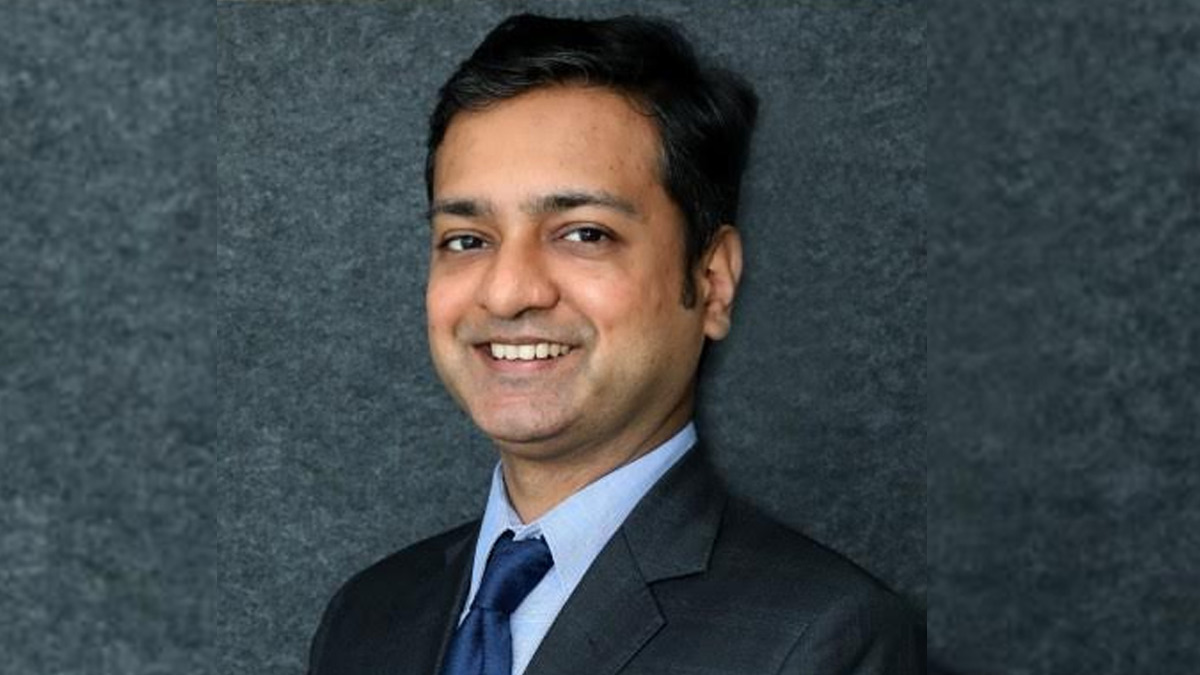
MUMBAI: Emami Limited has appointed Dhruv Aggarwal as its chief growth officer, effective 25 March 2026, following the resignation of Giriraj Bagri.
Aggarwal joins the FMCG major from Bain & Company, where he most recently served as partner. With over two decades of experience across consulting and strategy, he brings a global perspective shaped by work across India, the US, the UK and Germany.
During his tenure at Bain, Aggarwal advised consumer, retail and media companies on large-scale transformations, business turnarounds and growth strategies. He was also closely involved with India’s startup ecosystem, guiding early-stage ventures on scaling and digital expansion, while supporting private equity and venture capital firms on investment decisions.

His earlier stints include a brief role at Barclays Capital and operational experience at Jindal Power, giving him a mix of financial and industry exposure.
Academically, Aggarwal holds an MBA from Indian Institute of Management Bangalore and has also been associated with University of Illinois Urbana-Champaign as a PhD candidate and teaching assistant.
The appointment comes at a time when Emami Limited is looking to sharpen its growth strategy in a competitive consumer market. With a seasoned strategist now at the helm of growth, the company appears set to double down on transformation and expansion in the months ahead.








