MAM
Designing a Warm & Inviting Home: Interior Design Tips for Winters

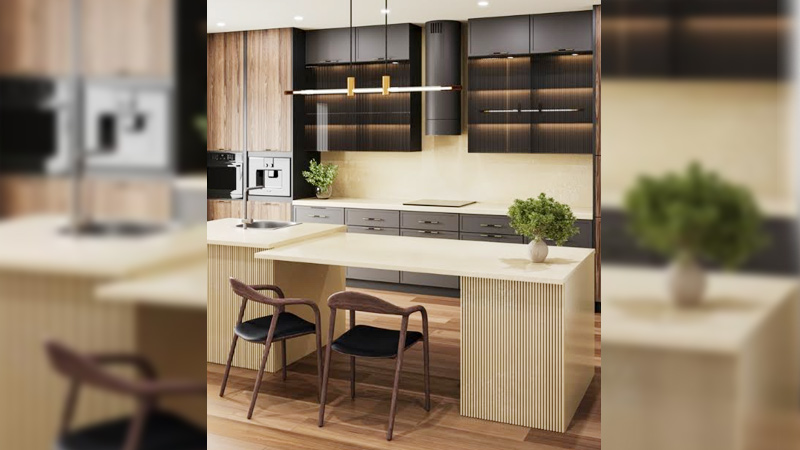
As temperatures drop and daylight shortens, the home naturally becomes the centre of activity and comfort. Winter is the season of gatherings, introspection, and slowing down — a time when design plays a crucial role in shaping our emotional connection to the spaces we inhabit. The interiors that genuinely stand out this season are those that combine texture, colour, and light to create warmth without excess.
Here’s a closer look at key design elements and styling cues that can help you curate a home that feels both elegant and inviting this winter.
Embrace Rich, Warm Colour Palettes
This winter, colour trends are leaning towards grounding hues that evoke comfort and calm. Shades such as deep navy, olive green, terracotta, rust, and mustard add richness and depth to interiors while maintaining a sense of restraint. When paired with soft, warm lighting, these tones create a cocooning effect perfect for the cooler months.

Homeowners can introduce these colours through an accent wall, upholstery, drapery, or even artwork. Even small additions, such as a rust-toned throw or mustard cushion covers, can transform the visual temperature of a space. The goal is to move away from stark, monochromatic palettes and embrace tones that feel inherently nurturing.
Introduce Textures and Fabrics
While an abundance of layers can feel suffocating in the summer, it has the opposite effect during the winter. It not only adds visual depth but also enhances warmth. Incorporate a mix of wool, velvet, cotton, and faux fur through throws, cushions, carpets, and rugs. A well-layered living room or bedroom can instantly feel more welcoming, particularly when textures are thoughtfully balanced.
Designers suggest that mixing contrasting materials, such as pairing linen with velvet or cotton with wool, can yield interesting results. Throws from IKEA, textured cushions from H&M Home, or thick wool rugs from Rugberry can be excellent additions. For a touch of sophistication, introduce quilted or faux fur blankets from Jaypore.
Warm Wood and Rattan Finishes
Wood, with its natural grain and warmth, is a timeless choice for adding character during the winter months. Whether through flooring, furniture, or accents, wood tones such as oak, teak, or walnut bring depth and grounding energy into interiors. For those who prefer lighter alternatives, rattan and cane offer a similar warmth with a breezier appeal.
Consider integrating wooden trays, rattan lamps, or wicker baskets to add texture and natural contrast. When positioned near sunlight, these materials accentuate the yellows and browns within a room. Collections from Urban Ladder and The Wicker Story offer handcrafted pieces that can elevate the seasonal aesthetic without overwhelming the space.
The Rise of the Sunlit Kitchen
The kitchen, traditionally the heart of the home, takes on an even more central role during winter. Bright, sunlit kitchens are emerging as a key design trend, as they infuse interiors with a sense of optimism and energy. Warm colour palettes such as ochre, butterscotch, and muted mustard help achieve this effect while maintaining a sophisticated tone.
For instance, Specta’s Butterscotch Yellow quartz surface can be used on countertops or kitchen islands to introduce warmth without sacrificing durability. Quartz surfaces are particularly well-suited for Indian homes due to their stain resistance, ease of maintenance, and ability to reflect light beautifully. Paired with brass fittings, open wood shelving, and soft yellow lighting, such a kitchen creates an inviting backdrop for family gatherings or quiet mornings.
Creating Comfort Corners
Small design interventions can make a big difference in how a home feels during winter. Consider curating intimate corners that encourage relaxation — a window seat layered with cushions and a throw, a reading nook with a lamp and side table, or a sunny breakfast spot with winter plants like poinsettias or money plants. These pockets of comfort enhance the aesthetic appeal of your home, transforming interiors into spaces of refuge and rest.
Conclusion
Designing a winter-ready home is less about a dramatic overhaul and more about intentional layering of colour, texture, and light. The interplay of rich hues, natural materials, soft lighting, and tactile fabrics can turn even minimalist spaces into welcoming retreats. As the season unfolds, a home designed with warmth and care becomes more than a physical space — it becomes an experience. A place where comfort meets design, and every corner invites you to slow down, stay in, and enjoy the season’s quiet charm.


MAM
India’s financial sector spent less on TV ads in 2025 but flooded the internet
Banks, insurers and lenders cut tv ads as digital jumps, LIC and Muthoot lead tv and Axis Bank tops online
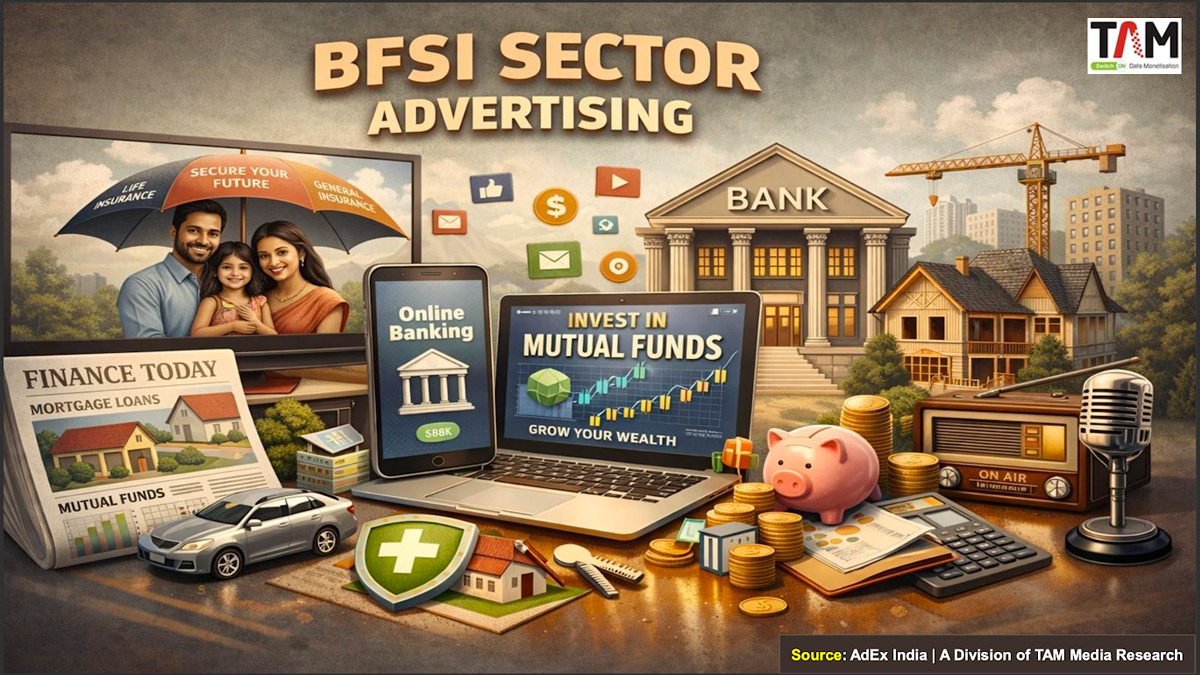
MUMBAI: India’s banking, financial services and insurance sector, one of the most prolific advertisers in the country, delivered a split verdict on media in 2025. It spent less on television, held its nerve in print, turned up the volume on radio and deluged the internet with a ferocity that left every other medium looking pedestrian. The picture that emerges from TAM AdEx’s cross-media report for the BFSI sector is of an industry in transition, still wedded to the news bulletin but increasingly seduced by the algorithm.
Television: a retreat with caveats
TV ad volumes for the BFSI sector fell 16 per cent in 2025 compared with 2024, a sharp reversal after two years of consistent growth that had pushed volumes 16 per cent above 2021 levels by 2023 and a further 7 per cent higher by 2024. Within 2025 itself, the drop was concentrated in the middle of the year: the second and third quarters saw ad volumes slide 35 per cent each against the first quarter, with a partial recovery of 13 per cent in the fourth.
The retreat did not reshuffle the deck. Life insurance retained first place among TV categories with 19 per cent of ad volumes, mortgage loans held second with 16 per cent, and the top ten categories together accounted for 82 per cent of all BFSI television advertising. The dominance of news channels was equally pronounced: news claimed 68 per cent of ad volumes, general entertainment channels a distant 14 per cent and movies 12 per cent. Together, news and GEC captured 82 per cent of the sector’s television spend. News bulletins alone took 48 per cent of programme-genre volumes, with feature films second at 12 per cent. Prime time, between 6pm and 11pm, drew 34 per cent of ad volumes, followed by afternoon at 22 per cent and morning at 20 per cent. A full 82 per cent of all ads ran between 20 and 40 seconds.
Life Insurance Corporation of India was the sector’s biggest TV spender with 11 per cent of ad volumes. Muthoot Financial Enterprises came second with 9 per cent, followed by National Payments Corporation of India at 6 per cent, Tata AIG General Insurance at 5 per cent and State Bank of India at 5 per cent. The top ten advertisers together accounted for 51 per cent of total TV volumes. Three names were new to the top ten in 2025: Tata AIG General Insurance, IIFL Finance and Tata Capital. At brand level, Muthoot Finance Loan Against Gold led with 9 per cent share, Tata AIG Health Insurance entered the top ten for the first time, and the top ten brands together contributed 35 per cent of ad volumes.
Print: the long climb continues
Print told a different story. Ad space for the BFSI sector has grown every year since 2021, rising 16 per cent in 2022, 30 per cent in 2023, 51 per cent in 2024 and 64 per cent in 2025, all measured against a 2021 baseline. Within 2025, ad space was flat in the second quarter but surged 46 per cent in the third and 33 per cent in the fourth compared with the first. Life insurance led print categories with 21 per cent of ad space, followed by mutual funds and banking services and products at 13 per cent each, and corporate financial institutes at 11 per cent. The top ten categories together took 82 per cent of print ad space. LIC led print advertisers with 6 per cent share, and the top ten together covered just 19 per cent of ad space, a reflection of how fragmented print spending remains. Three new entrants joined the top ten in 2025, with Billion Brains Garage Ventures the only exclusive presence not seen in 2024’s list. In the top ten brands, LIC dominated with a 2 per cent share, while Nippon India Mutual Fund rose to third position from fourth in 2024. English accounted for 62 per cent of print ad space, Hindi for 20 per cent. Business and finance publications took 59 per cent of the genre split. The south zone led regional spending with 33 per cent of print ad space, Bangalore topping that zone, while New Delhi and Mumbai were the leading cities nationally.
Radio: louder than ever
Radio ad volumes for the BFSI sector have climbed steadily, rising 12 per cent above 2021 levels in 2023, 36 per cent in 2024 and 45 per cent in 2025. The quarterly pattern within 2025 was volatile: a sharp drop of 43 per cent in the second quarter and 42 per cent in the third, followed by a near-full recovery in the fourth. Life insurance led radio categories with 22 per cent of volumes, banking services and products second at 14 per cent and corporate NBFCs third at 11 per cent. LIC of India held its position as the leading radio advertiser with 20 per cent of ad volumes; the top ten radio advertisers together covered 69 per cent. Muthoot Financial Enterprises led radio brands with 10 per cent share, five of the top ten brands belonged to LIC alone, and SBI Mutual Fund made a remarkable leap to fifth position from 272nd in 2024. Evening and morning time-bands together captured 84 per cent of radio ad volumes, with evenings at 44 per cent and mornings at 40 per cent. Maharashtra was the leading state for radio BFSI advertising with 18 per cent share; Maharashtra, Gujarat and Uttar Pradesh together accounted for 43 per cent.
Digital: the five-times surge
If one number defines the 2025 BFSI advertising story, it is five. Digital ad impressions for the sector multiplied fivefold between 2021 and 2025, having already doubled in 2023 and doubled again in 2024 before the 2025 leap. Within the year, impressions dipped 19 per cent in the second quarter and 12 per cent in the third before recovering 8 per cent above the first quarter by the fourth. Banking services and products led digital categories with 27 per cent of impressions, life insurance and credit cards tied at 19 per cent each, and securities and sharebroking organisations fell from first place in 2024 to fourth in 2025. Axis Bank was the runaway leader among digital advertisers with 12 per cent of impressions, followed by ICICI Bank at 9 per cent, IDFC First Bank at 7 per cent and Kotak Mahindra Bank at 6 per cent. The top ten digital advertisers covered 59 per cent of impressions, and seven of them were new entrants compared with 2024, signalling rapid churn in the digital spending hierarchy. At brand level, Axis Bank led with 9 per cent, ICICI HPCL Super Saver Credit Card vaulted to third place from 921st in 2024, and six of the top ten digital brands were new to the list. Programmatic buying accounted for 91 per cent of all digital BFSI transactions; combined with ad networks, it captured 96 per cent.
The data from TAM AdEx paints the portrait of a sector that still believes in the power of the television news bulletin to sell insurance to the masses, but increasingly knows that the next generation of borrowers, investors and cardholders is scrolling, not watching. The race is now on to reach them before the algorithm serves up someone else’s loan offer first.






