Brands
Deriving further insights from TAM data after a psychographic definition


TV Pulse 2005, the annual research initiative put together by the Joint Industry Body (JIB) and Tam Media, series continues with the paper – Deriving further insights from TAM data after a psychographic definition.
The paper by Paper contributed by ATG, Group-M attempts to describe one such exercise undertaken by MCI in conjunction with TAM.

One common issue with marketers of high-end products is defining their target audience through a combination of demographics and psychographics. In-depths, pen-portraits etc yield particular psychographic traits that possibly are unique to this particular category’s consumers. However, media planning and buying requires quantification. Therefore, key questions addressed in this paper are:
- How does one size up a psychographic target?
- What are ways in which one can then derive some broad media consumption learning?
- How can one then, use some kind of ‘bridge’ definition of a TA that would help one analyze dynamic media information through viewership databases like TAM?
Preamble viewership of channels with international news and entertainment could comprise of broadly two kinds of audiences. One is that segment which is genuinely interested in such programming as against other viewers who just dabble with such channels. Marketers who advertise in such channels are more interested in reaching the former. The latter would either not be part of their source of business volumes or could be reached through other cost efficient methods.
The objective, therefore of the analysis were:
- To determine the various audience clusters of Category X and size up those who are skewed to English programming (International Entertainment and News)
- RLD analysis of heavy viewers of English entertainment and the skewness of various channels on this definition of the TA.
This detailed paper clearly showed that combining a psychographic definition along with a special analysis using TV data helped make a smarter channel selection for this brand.
The primary objective is to substantiate the hyphothesis that Category X consumption is skewed to a particular cluster which is characterised by heavy viewing of English programming. Also, it is to determine the overall size of this cluster in the broad demographic. This is important, as a marketing manager should avoid over/under-estimating the size of this up-market audience. A realistic idea of the size would help fix some kind of budget allocation across various audience clusters.
The second objective would help answer which of the programming driven channels have a greater composition of hard-core international programming viewers‘ vs the ‘dabblers‘, as has been elaborated in the preamble. An extensive battery of over 290 statements allows the analyst to do various combinations before finalising on clusters that are internally homogenous and yet differentiated across.
The paper points out that combining a psychographic definition along with a special analysis using TV data helps make a smarter channel selection for this brand.




Brands
JK Maxx Paints ropes in Akshay Kumar to boost brand visibility push
Actor’s trust-led appeal set to strengthen connect in décor market
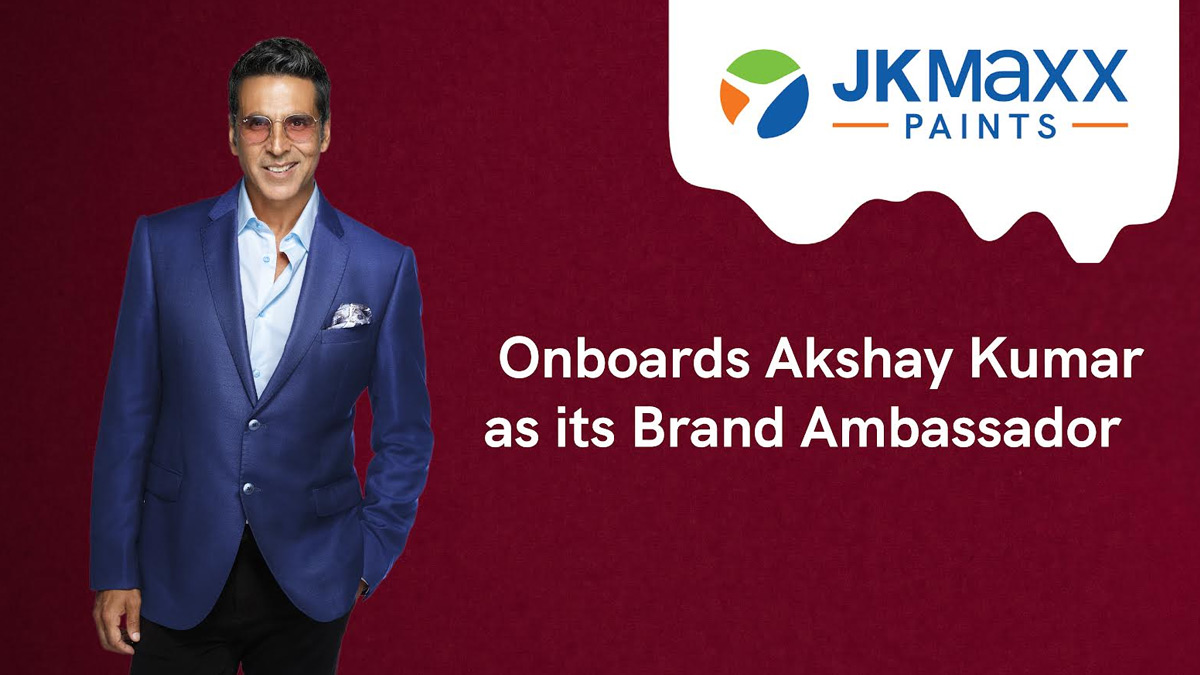
MUMBAI: JK Maxx Paints has signed Akshay Kumar as its brand ambassador, as the company looks to scale up visibility and deepen its connect with consumers in India’s competitive decorative paints market.
The move is part of a broader strategy to position the brand around trust and performance, qualities closely associated with Kumar’s public persona. With a strong connect among Indian households, the actor is expected to help the company strike a more relatable chord with home owners.
Welcoming the partnership, JK Maxx Paints business head white cement and paints Nitish Chopra said, “This partnership marks an important milestone in our journey to scale JK Maxx Paints as a strong, future-ready brand. As we expand our presence across markets, our focus remains on building deeper consumer trust and delivering high-performance solutions. Akshay Kumar’s credibility and widespread appeal make him a powerful partner in amplifying our brand story and strengthening our connect with consumers across India.”
Echoing the sentiment, Akshay Kumar highlighted the brand’s legacy and familiarity among Indian consumers. “Some associations just feel right from the heart. This is one of them. JK Maxx Paints carries a legacy that people already believe in. When a name like JK WallMaxx Wall Putty is so deeply woven into homes, it’s not just familiarity, it’s a sense of comfort and trust,” he said.
Launched in 2023 and backed by the legacy of JK WallMaxx Wall Putty from JK White Cement, the paints business has been steadily expanding its footprint. The company operates a manufacturing facility in Rajasthan and an R and D centre in Navi Mumbai, offering a wide portfolio across interior and exterior paints, textures and waterproofing solutions.
The new partnership will roll out through a multi-platform campaign spanning television, digital, print, outdoor and retail channels.
With a trusted face now fronting its colours, JK Maxx Paints is clearly aiming to paint a bigger picture in India’s home décor market.








