MAM
Dentsu Webchutney appoints Gautam Reghunath as Senior VP and Branch Head

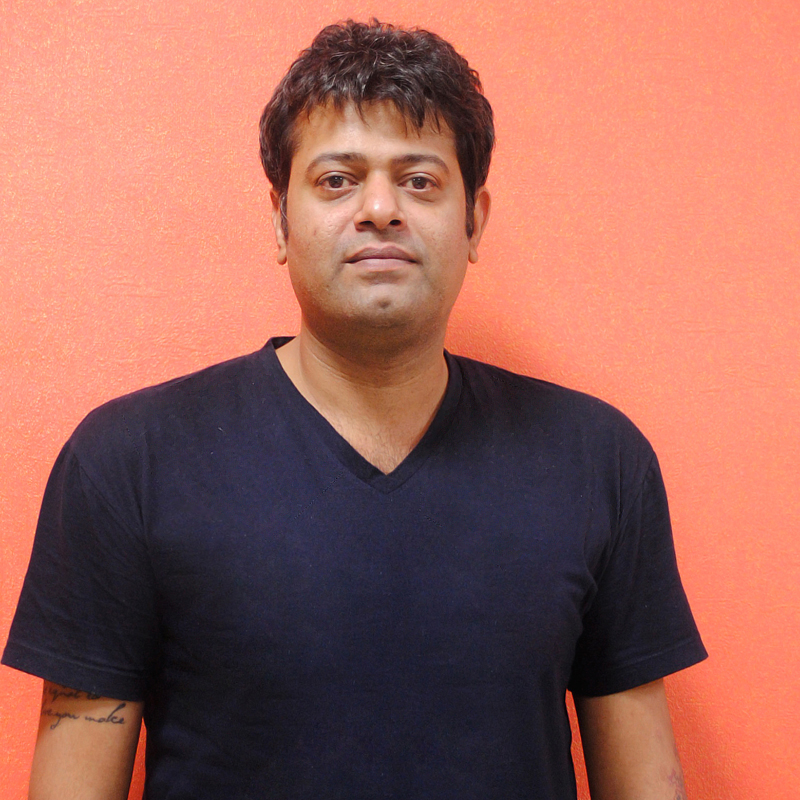
MUMBAI: Dentsu Webchutney, the digital agency from Dentsu Aegis Network, has appointed Gautam Reghunath as Senior Vice President and Branch Head, Bangalore. He will lead the 40-member-strong team in Bangalore, overseeing clients including Flipkart, Dailyhunt, Helpchat and Quikr.
Reghunath, formerly Vice President, will report directly to Dentsu Webchutney CEO Sidharth Rao. Reghunath’s key role will be to further build on the Bangalore office’s business success in addition to strengthening the agency’s creative and content production capabilities.
Confirming Reghunath’s new assignment, Rao said, “Under Gautam’s leadership, our South India business continues to evolve at tremendous speed, having grown 200% over last year. From what was a five-member office in early 2015, we are now a 40-people-strong team in Bangalore. It is imperative that we have the strongest possible leadership there to take us to new heights. Gautam has an ambitious vision for the company and is a powerful advocate of putting young talent at the forefront of our business.”

Talking about his new role, Reghunath said, “I am Dentsu Webchutney through and through, and this is a responsibility I am proud to be tasked with. The last one year has been great, being ranked number 1, great new clients and moving into our new space in Bangalore. We have embarked on an ambitious growth path, not just from a business perspective but also as individual creative professionals. The agency is brimming with young creative and leadership talent and it will be a privilege to lead them in our endeavor to continue evolving as a new-age agency – relevant for 2017 and relevant for our clients.”
Reghunath joined Dentsu Webchutney’s Mumbai office in 2010 at a junior servicing position and over the last two years had been tasked with building the agency’s Bangalore operations. He was recently named in Social Samosa’s ‘Top 30 under 30’ list and has previously worked with L&K Saatchi and Saatchi.
Dentsu Webchutney’s clients include Flipkart, Airtel, TI Cycles and Redbull across areas of digital marketing, online video content, website design, mobile marketing and social media. The agency runs with a team of over 200 digital marketing professionals across New Delhi, Mumbai and Bengaluru.






Brands
Origen Realty names Preeti Rai as president- sales & strategy
Veteran hire signals push into Gurugram market with growth ambitions

GURUGRAM: Origen Realty has appointed Preeti Rai as president for sales and strategy, as the company gears up to enter the competitive Gurugram property market.
The move brings in a seasoned industry hand with over two decades of experience across residential and commercial real estate. In her new role, she will lead the company’s sales operations and go-to-market strategy, with a focus on building a strong foothold in Gurugram and driving early momentum.
Origen Realty management said the appointment marks a key milestone in its expansion plans. Origen Realty management said the hire will help sharpen execution and strengthen the company’s sales-led growth strategy as it steps into a new market.
Preeti Rai said, “I look forward to being part of Origen Realty at a pivotal stage in its journey and contributing to building a strong presence in the Gurugram market.”
Before joining Origen Realty, she served as senior vice president for sales and marketing at Elan Group. Her career also includes stints at major developers such as DLF Universal Ltd, Today Homes and Infrastructure, Paras Buildtech Pvt Ltd and Ambience Infrastructure Ltd, where she built expertise across channel sales, leasing, and end-to-end deal execution.
Known for her focus on strategy and team leadership, Rai is expected to play a central role in shaping Origen Realty’s market positioning and sales ecosystem in the region.
As Gurugram’s real estate market continues to attract fresh investments and new entrants, Origen Realty’s latest leadership hire signals its intent to compete with a clear, sales-driven playbook.






