AD Agencies
Dentsu reveals it tipped off CCI in ad cartel investigation

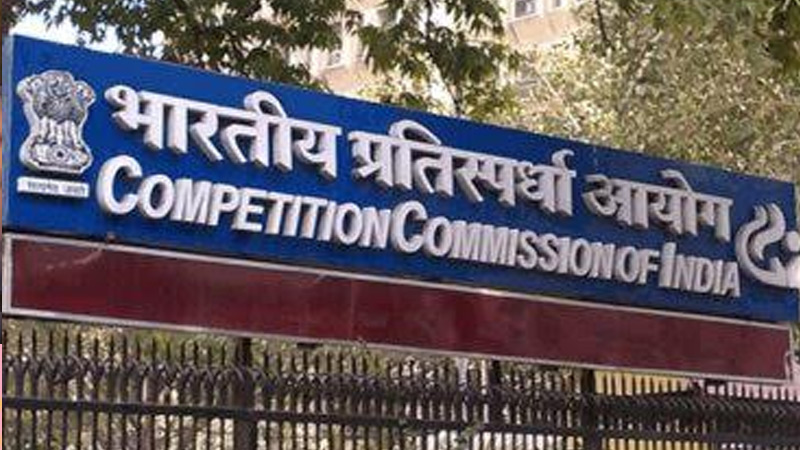
MUMBAI: Who blew the whistle on Indian advertising’s best-kept secret? Turns out, it was the house of Dentsu. Three months after the Competition Commission of India (CCI) swooped down on the country’s top ad agencies over alleged rate-fixing, Japanese media conglomerate Dentsu has confirmed it was the one to pull the plug—filing a suo motu disclosure under CCI’s leniency framework in February 2024. The move, Dentsu claims, wasn’t about crisis control, but about triggering “reform from within.”
In March, CCI teams raided nearly 10 locations, targeting big-league players including GroupM, Publicis, Havas, IPG, and Madison, along with industry associations like AAAI, ISA, and IBDF. The focus? Alleged cartelisation through fixing ad rates, discounts, and possibly stifling competition, an apparent violation of Section 3(3) of the Competition Act, 2002.
While the industry speculated, Dentsu in a statement to Storyboard18 said, “We had a choice to remain passive or drive change… This was a decision to support reform from within.”

Dentsu also claimed to have already implemented stricter audits, tighter controls, and sharper governance. “Change can’t be effected by walking away,” it added, calling this a turning point for the entire sector.
CCI’s leniency programme, a powerful tool in its arsenal, incentivises cartel members to come forward in exchange for reduced penalties. Think immunity for honesty, if you snitch first. This has been critical in cracking covert coordination, especially in complex industries like media buying where cartels may not leave an obvious paper trail.
Legal experts say proving cartelisation under Section 3(3) isn’t just about similar pricing, it requires evidence of intent. That can come from emails, meeting notes, or even circumstantial cues like identical bid patterns or synchronised rate shifts via industry associations.
What’s next? If the CCI finds strong evidence, the repercussions could be seismic: hefty penalties, shattered reputations, and a fundamental reordering of media-buying norms. Already, industry stakeholders are watching this case as a litmus test for regulatory muscle in India’s high-stakes ad market.
As one industry veteran put it off the record: “This isn’t just an investigation, it’s a wake-up call.”
In an industry where everyone knows everyone, Dentsu’s move may have ruptured long-standing silences. Whether it ends in punishment or reform, one thing is certain: Indian advertising’s old ways just met a very public reckoning.







AD Agencies
Microsoft shifts global media account from Dentsu to Publicis Groupe: Reports
Closed review ends decade-long tie-up; Xbox remit may remain with Dentsu

MUMBAI: Microsoft has reassigned its global media planning and buying business to Publicis Groupe, according to media reports, ending Dentsu’s long-standing stewardship of one of the advertising industry’s biggest accounts.
The move follows a closed review and marks a notable shake-up in the global media landscape. Dentsu, which managed the account through Carat, had held the mandate since 2014 and successfully defended it in a 2018 review.
While the broader business is shifting, Dentsu is expected to retain media responsibilities for Xbox, according to media reports, though the exact contours of that arrangement remain unclear. None of the parties involved have publicly outlined the transition timeline or the full structure of the handover.
The scale of the account underscores the significance of the change. Estimates from COMvergence, cited by Ad Age, peg Microsoft’s global media spend at roughly $700 million last year.
For Publicis Groupe, the win deepens an already expanding relationship with the tech giant. Earlier this year, Microsoft Advertising partnered with Publicis Media Exchange and Epsilon to integrate Epsilon’s data into its platform, aiming to sharpen targeting across search, native and display formats.
The decision reflects a broader industry shift, as large advertisers increasingly favour agency partners with strong first-party data capabilities, AI integration and platform-led solutions. Publicis Groupe has been leaning into this model, positioning its data assets and technology stack as a central differentiator.
For Dentsu, the loss is significant. Media remains a core pillar of its global business, and the development comes close on the heels of leadership changes, including the appointment of Takeshi Sano as global chief executive officer.
The shift also carries a touch of irony. Microsoft and Dentsu have worked closely beyond the client-agency relationship, including collaborations around AI tools such as Copilot to support media and creative workflows.
As the dust settles, the message is clear: in today’s data-driven, AI-powered media world, relationships may be long, but they are rarely permanent.






