MAM
dentsu India appoints Arti Singh to head Hyperspace

New Delhi: dentsu India on Tuesday appointed Arti Singh as VP National for its shoppers’ marketing unit, Hyperspace. In her new role, Singh will be in charge of the shoppers’ marketing division that includes experiential, retail, cinema and mall business.
A seasoned professional with more than 18 years of expertise in the field, Singh will drive and develop strategies for brands. “With her tremendous experience in the industry and understanding of consumer behaviour, she will help in building relationships with key industry players, teams and associates. Additionally, she will play a significant role in designing the offline path of the purchase journey for consumers, thus, connecting them with brands,” said the agency.
This is Singh’s second innings with dentsu India. Previously, she had been with the network for more than a decade and played a vital role in successfully delivering marketing experiential retail campaigns for brands.

Speaking on her new role, Singh said, “It’s a great role, with enormous possibilities in my second innings. Hyperspace is a network that has established strong credentials in space for over a decade now. I am excited about the endless opportunities and challenges this new role offers and I look forward to driving Hyperspace’s continued growth and ambition in India.”
Dentsu International Group MD & COO, Posterscope SA, president, Posterscope APAC Haresh Nayak said, “Arti will be responsible for strengthening the shoppers’ marketing practices across all agencies of dentsu India. Her presence and experience in the space will help us beef up our efforts in understanding the behaviour of shoppers. She brings immense value to the company’s capabilities. We are increasingly bringing on board senior talents in this space who can carry forward the learnings of seamlessly-integrated consumer and brand interaction in the new normal.”






MAM
Ameya Velankar steps down as Uber’s head of marketing for India & South Asia
Veteran marketer exits after more than seven years with the ride-hailing giant.
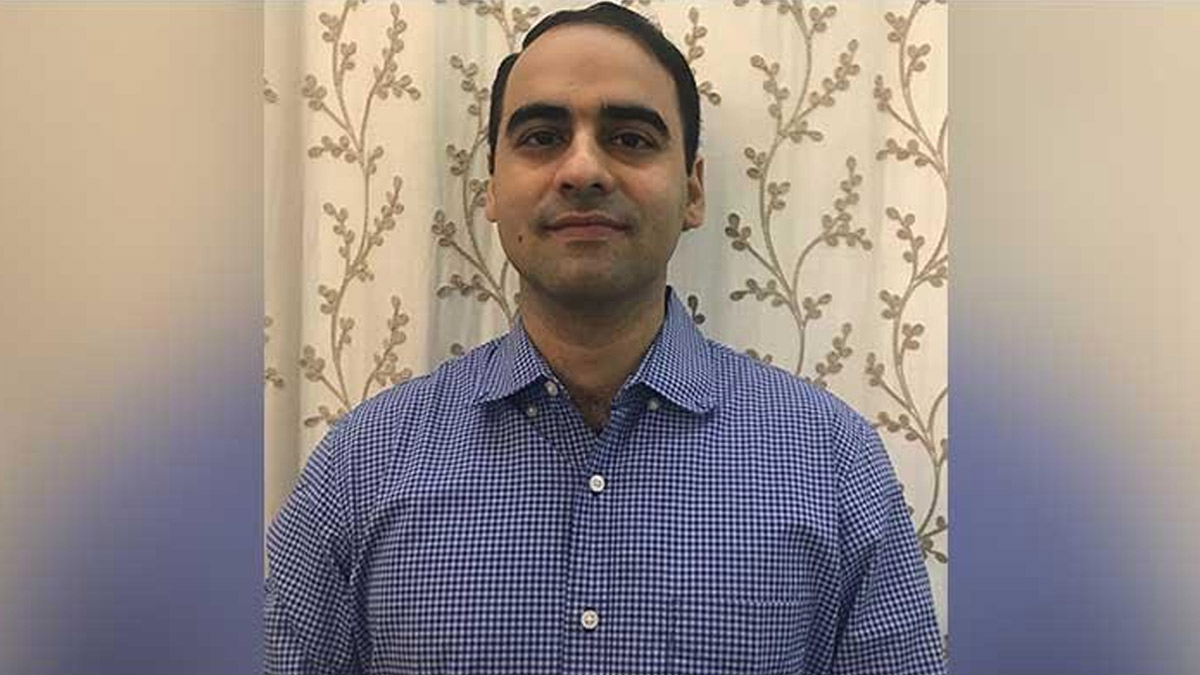
MUMBAI: After more than seven years of steering Uber through the bumpy roads of India’s mobility market, Ameya Velankar has decided to change lanes. Ameya Velankar has stepped down as Head of Marketing for India and South Asia, marking the end of a significant chapter at the ride-hailing company. He had been with Uber since 2019, taking on multiple roles in product and category marketing before rising to lead the marketing function for the region in 2021.
During his tenure, Velankar played a key role in strengthening Uber’s positioning in one of its most competitive and dynamic markets. He helped drive localised marketing strategies and scale adoption across key offerings such as Auto, Moto, Rentals and Intercity, tailoring global platforms to Indian consumer needs.
Prior to joining Uber, Velankar built his marketing expertise at leading consumer companies including SC Johnson and Marico, where he handled category and product leadership roles. His career began at RPG Enterprises.
Details of his next professional move have not been disclosed.
In a fast-evolving mobility landscape where brands constantly battle for attention, Ameya Velankar helped Uber stay relevant and resonant with millions of Indian users. As he moves on from the driver’s seat of marketing, the company will now look for fresh ideas to keep its wheels turning smoothly.






