AD Agencies
Dentsu Creative launches ‘Future Mandala’ in India

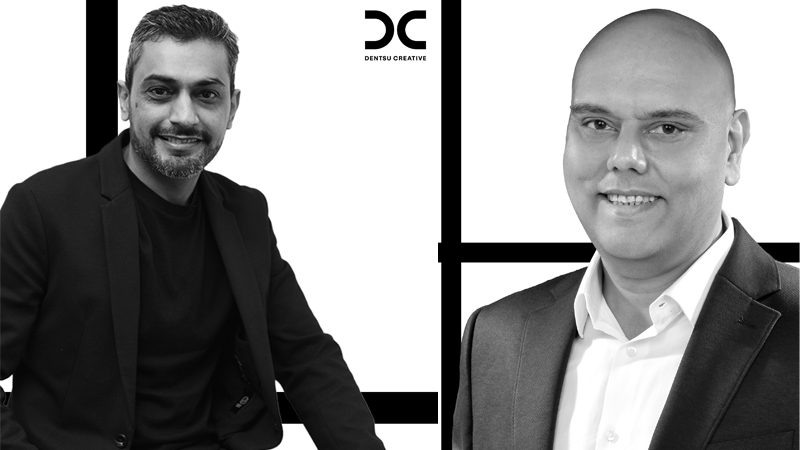
Mumbai: Dentsu Creative, a global network within the Dentsu Group that consolidates various creative, digital, and branding agencies, has introduced ‘Future Mandala’ in India. This tool is designed to provide brands with insights and foresight to innovate and develop new business ecosystems. Originally developed by Dentsu Tokyo in 2011, the tool has already made an impact in global markets and is now set to guide Indian brands toward sustainable growth and market leadership.
Unlike traditional trend reports that offer limited insights, Future Mandala provides a deeper understanding of socio-economic shifts, third-party research, and demographic trends. It delivers brands a blueprint to stay ahead of the market by identifying opportunities for product innovation and developing communication platforms and business models. This dual capability enables businesses to anticipate changes and take decisive action.
Dentsu Creative South Asia CEO Amit Wadhwa emphasised that understanding the future is essential to shaping it. Future Mandala helps brands move beyond short-term trends and focus on long-term innovation. It reflects Dentsu’s commitment to “Innovating to Impact” by helping clients lead the market with strategic clarity.

Dentsu Creative India chief strategy officer Sumeer Mathur added that the tool assists marketers in understanding how current trends will influence the future. It helps shape business ecosystems, from product development to consumer communication, providing an actionable roadmap for the next five years. Drawing on data from government reports, industry insights, and trends, Future Mandala enables brands to drive innovation in a changing economy.
Offered as a premium service to Dentsu’s clients, Future Mandala has a proven track record of driving business transformation globally. Developed by experts including Takuya Kagata of Dentsu Consulting Inc., it equips Indian brands to be future-ready and achieve long-term growth.




AD Agencies
Microsoft shifts global media account from Dentsu to Publicis Groupe: Reports
Closed review ends decade-long tie-up; Xbox remit may remain with Dentsu
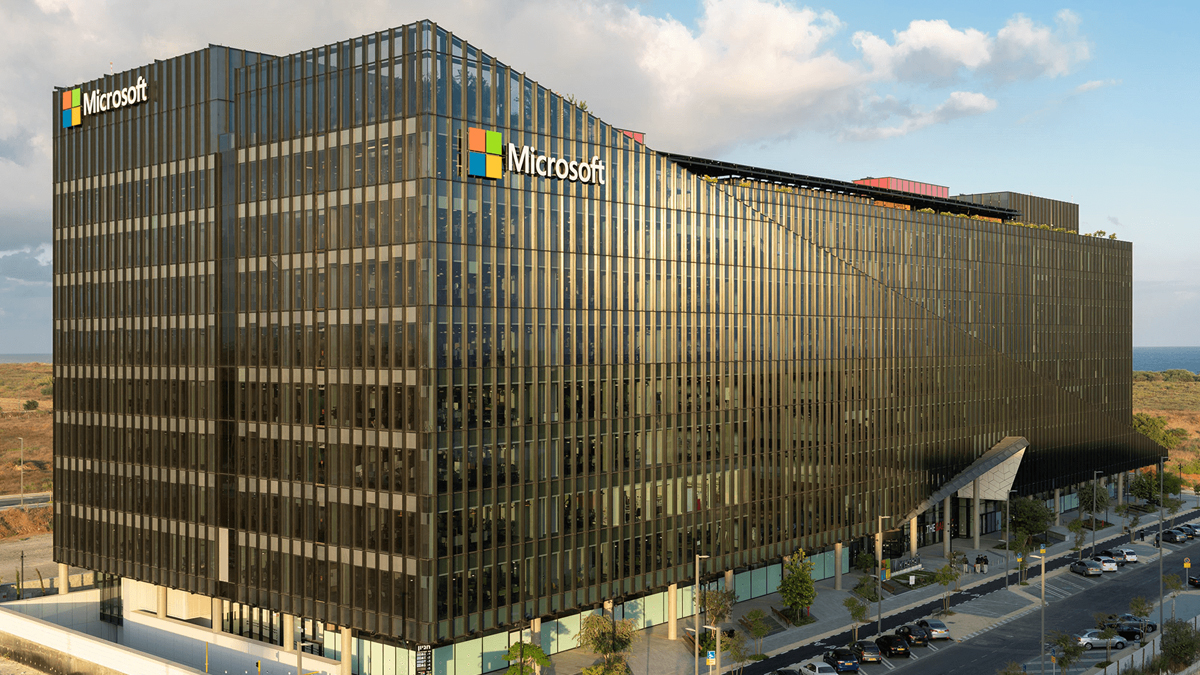
MUMBAI: Microsoft has reassigned its global media planning and buying business to Publicis Groupe, according to media reports, ending Dentsu’s long-standing stewardship of one of the advertising industry’s biggest accounts.
The move follows a closed review and marks a notable shake-up in the global media landscape. Dentsu, which managed the account through Carat, had held the mandate since 2014 and successfully defended it in a 2018 review.
While the broader business is shifting, Dentsu is expected to retain media responsibilities for Xbox, according to media reports, though the exact contours of that arrangement remain unclear. None of the parties involved have publicly outlined the transition timeline or the full structure of the handover.
The scale of the account underscores the significance of the change. Estimates from COMvergence, cited by Ad Age, peg Microsoft’s global media spend at roughly $700 million last year.
For Publicis Groupe, the win deepens an already expanding relationship with the tech giant. Earlier this year, Microsoft Advertising partnered with Publicis Media Exchange and Epsilon to integrate Epsilon’s data into its platform, aiming to sharpen targeting across search, native and display formats.
The decision reflects a broader industry shift, as large advertisers increasingly favour agency partners with strong first-party data capabilities, AI integration and platform-led solutions. Publicis Groupe has been leaning into this model, positioning its data assets and technology stack as a central differentiator.
For Dentsu, the loss is significant. Media remains a core pillar of its global business, and the development comes close on the heels of leadership changes, including the appointment of Takeshi Sano as global chief executive officer.
The shift also carries a touch of irony. Microsoft and Dentsu have worked closely beyond the client-agency relationship, including collaborations around AI tools such as Copilot to support media and creative workflows.
As the dust settles, the message is clear: in today’s data-driven, AI-powered media world, relationships may be long, but they are rarely permanent.






