MAM
Dentsu APAC elevates next generation leaders


Mumbai: Dentsu Asia Pacific has announced promotions of its next generation leaders. As a part of this development, Sharan Jaswal has been promoted to general counsel APAC, Luke Speers to chief people officer APAC, both effective from 1 April. The company further has named Paul Koppelman as chief financial officer for APAC, effective from 1 May.
“Asia Pacific is critical to the future growth of Dentsu and our clients. I am delighted to see the promotions of three executives in the region, bolstering the existing team with exceptional people who have grown through our organisation,” commented Dentsu International global CEO Wendy Clark.
Jaswal brings nearly 20 years of in-house experience with previous roles at ESPN Star Sports and Yahoo!. She joined Dentsu in 2015 as senior regional counsel and has steadily assumed responsibility and respect from her peers, being promoted to deputy general counsel, APAC in 2018. She’s a vocal DEI advocate, founding Women@dentsu in Singapore in 2018 and currently co-leads the women empowerment pillar of dentsu’s DEI strategy in the region.

“Sharan’s a trusted advisor, respected for her strong commercial acumen. She has a proven record of developing and leading our legal teams across South Asia, South-East Asia and Creative businesses in APAC, all while initiating a DEI agenda in Singapore and supporting our global initiatives in the region,” added Wendy.
Luke Speers brings extensive experience from the digital, telecommunications and financial services sector having previously worked as head of people at iSelect, one of Australia’s largest insurance comparators, Telstra and The MitchelLake Group in consulting capacities. He joined dentsu Australia in March 2016 as head of talent, and was promoted to HR Director in August the same year, before being promoted to chief people officer in April 2019 and adding South-East Asia to his remit in 2021.
“Luke’s passionate about people. His exposure to global brands and start-ups across sectors has enabled him to develop expertise pivotal in identifying and securing world-class leaders, building high-performance teams and helping secure the success of some of the world’s most exciting organisations,” commented Wendy.
Paul Koppelman has a track record of delivering transformation and growth, with a strong global outlook. Having worked in Europe and Asia Pacific over his 20-year career, he has held leadership positions in several global companies across banking, technology and media & entertainment.
Wendy said on Paul’s promotion, “Paul is a respected member of the finance community and has proven his strategic and commercial capability as a partner to the ANZ business. His appointment will bring stronger commercial acumen and rigor across the APAC region.”






MAM
Ameya Velankar steps down as Uber’s head of marketing for India & South Asia
Veteran marketer exits after more than seven years with the ride-hailing giant.
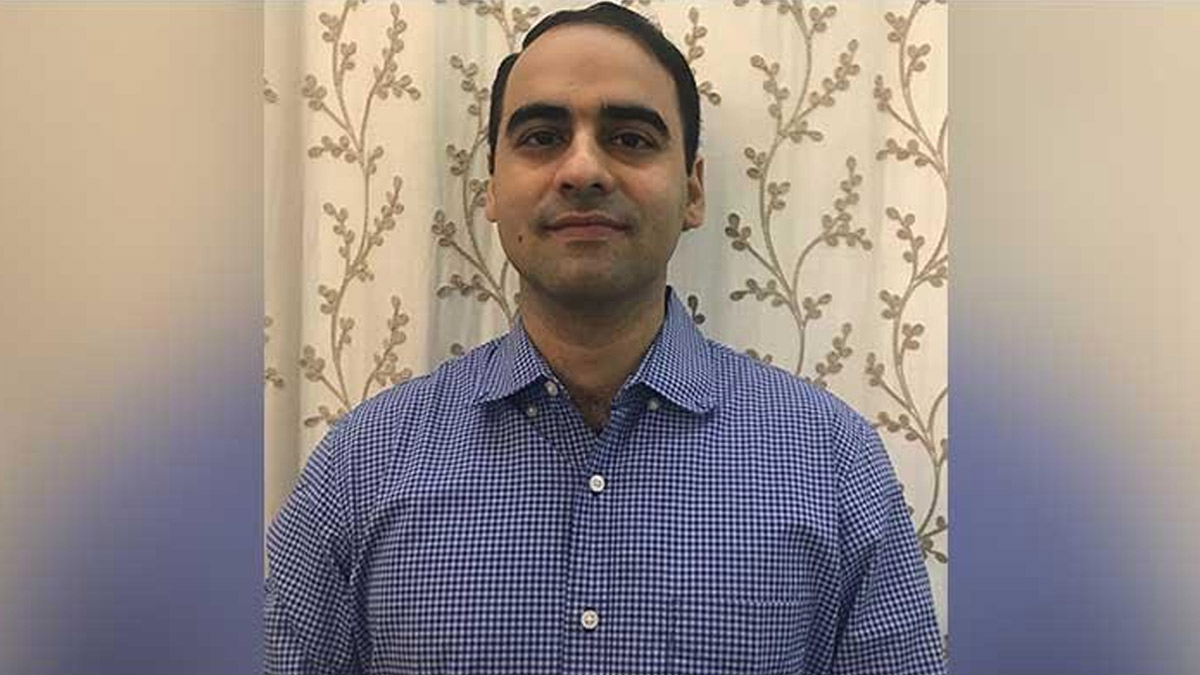
MUMBAI: After more than seven years of steering Uber through the bumpy roads of India’s mobility market, Ameya Velankar has decided to change lanes. Ameya Velankar has stepped down as Head of Marketing for India and South Asia, marking the end of a significant chapter at the ride-hailing company. He had been with Uber since 2019, taking on multiple roles in product and category marketing before rising to lead the marketing function for the region in 2021.
During his tenure, Velankar played a key role in strengthening Uber’s positioning in one of its most competitive and dynamic markets. He helped drive localised marketing strategies and scale adoption across key offerings such as Auto, Moto, Rentals and Intercity, tailoring global platforms to Indian consumer needs.
Prior to joining Uber, Velankar built his marketing expertise at leading consumer companies including SC Johnson and Marico, where he handled category and product leadership roles. His career began at RPG Enterprises.
Details of his next professional move have not been disclosed.
In a fast-evolving mobility landscape where brands constantly battle for attention, Ameya Velankar helped Uber stay relevant and resonant with millions of Indian users. As he moves on from the driver’s seat of marketing, the company will now look for fresh ideas to keep its wheels turning smoothly.






