MAM
DDB Worldwide to launch consumer knowledge model DDB SignBank

MUMBAI: DDB Worldwide is launching DDB SignBank, a global trends network that aggregates small signs of social change to effectively predict cultural and behavioral shifts while assessing both the global and local impact of these societal swings.
Believed to be the largest global trends network, operating out of 52 DDB offices, DDB SignBank systematically collects and orchestrates numerous signs within a sociological framework to determine why change is occurring and where it is heading. By taking a micro view within a globalised world, DDB SignBank combines the best of the larger trend consultancies with the smaller futurology specialists.

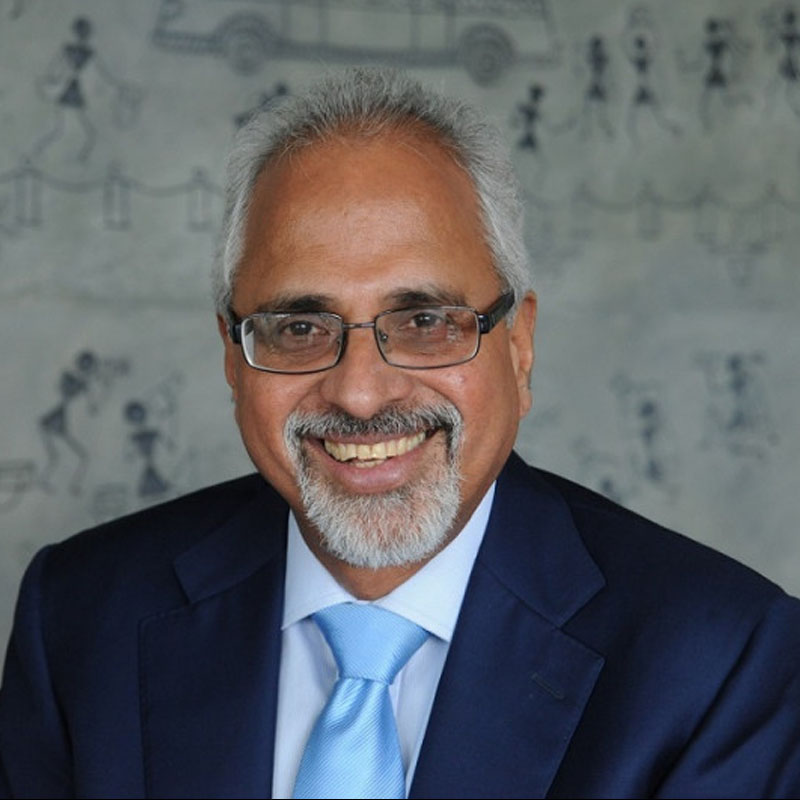
“DDB SignBank allows us to look at the entire world but with local eyes, enabling us to uniquely build on the body of consumer knowledge we already own through consumer studies such as Brand Capital and World Values. DDB SignBank’s ability to blend macro and micro findings is well suited to a client base that is local, regional and global, and is continuously searching for creative solutions to their business issues,” said DDB Worldwide president and CEO Ken Kaess.
Originally developed by DDB Copenhagen in 2002, DDB SignBank has begun rolling out throughout the DDB Worldwide network and is now operational in more than 50 offices worldwide. DDB SignBank currently holds over 30,000 worldwide signs and is updated daily, allowing customised reports to be generated on short notice.
“The sociological approach to research has rarely been used in the commercial world but, in fact, is superior to classic quantitative data and focus groups in its ability to reveal the impact of societal mechanisms on people, companies and societies and offer new perspectives and new opportunities. With DDB SignBank, the focus is on what people do, instead of on what they say they want to do. SignBank also looks at the actions of people throughout their daily lives as opposed to only when they are acting as consumers, because consumption takes up no more than three per cent of the average person’s day,” said Eva Steensig, DDB Denmark, sociologist and global leader of DDB SignBank.
In early 2006, DDB SignBank will issue its global findings on consumers and health. Already it has identified some significant future regional trends that will have an impact on the rest of the world:
The US will remain a country of opportunities but not in the traditional sense. Latin Americans, for example, will look to the US less as a place to migrate and more as a business destination to build partnerships that will help sell Latin American brands to the Hispanic market and North American public in general.
GenerAsian Next will abandon rampant consumerism and look to reconnect with their roots, becoming increasingly cynical about what they perceive as the slickness and consistency of world class brands, designer artifice and fusion goods. Instead, they will seek out havens of authenticity ranging from local coffees to Asian story-telling.
Europeans, previously driven by breaking with traditions, a heightened sense of individualism and experimentation, are starting to seek more simple truths, rules and a sense of substance in all aspects of life; relationships, work and consumption. This is being mirrored in a redefined collectivism based on context and individual needs, an appreciation of old world charms and a celebration of nationalism in an increasingly globalised and complex world.
For the US market, a search for greater substance will lead individuals to seek out that which makes them special rather than similar to others. Demand for specialisation will increase in many areas with, for example, education taking a less generalist approach and technology allowing customisation not just for self-expression but for greater individual productivity.
Noting that in Europe it already has resulted in various new assignments in innovative product development, Steensig said, “SignBank has tremendous predictive powers. This is really not so surprising because, to quote Bill Bernbach, ‘At the heart of an effective creative philosophy is the belief that nothing is so powerful as an insight into human nature: what compulsions drive a man, what instincts dominate his action, even though his language so often camouflages what really motivates him.’”




Brands
Emami names Dhruv Aggarwal as chief growth officer
Former Bain partner steps in as FMCG firm sharpens growth playbook
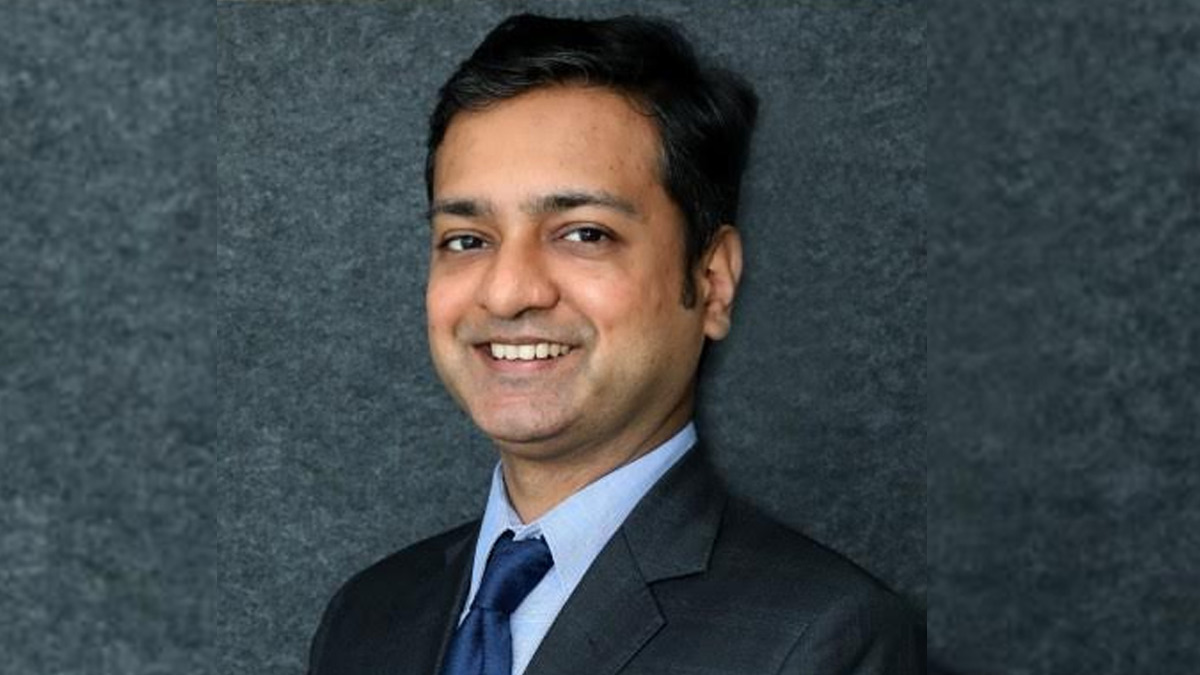
MUMBAI: Emami Limited has appointed Dhruv Aggarwal as its chief growth officer, effective 25 March 2026, following the resignation of Giriraj Bagri.
Aggarwal joins the FMCG major from Bain & Company, where he most recently served as partner. With over two decades of experience across consulting and strategy, he brings a global perspective shaped by work across India, the US, the UK and Germany.
During his tenure at Bain, Aggarwal advised consumer, retail and media companies on large-scale transformations, business turnarounds and growth strategies. He was also closely involved with India’s startup ecosystem, guiding early-stage ventures on scaling and digital expansion, while supporting private equity and venture capital firms on investment decisions.
His earlier stints include a brief role at Barclays Capital and operational experience at Jindal Power, giving him a mix of financial and industry exposure.
Academically, Aggarwal holds an MBA from Indian Institute of Management Bangalore and has also been associated with University of Illinois Urbana-Champaign as a PhD candidate and teaching assistant.
The appointment comes at a time when Emami Limited is looking to sharpen its growth strategy in a competitive consumer market. With a seasoned strategist now at the helm of growth, the company appears set to double down on transformation and expansion in the months ahead.








