MAM
DDB Mudra Group advances gender equality with Phyllis India Project

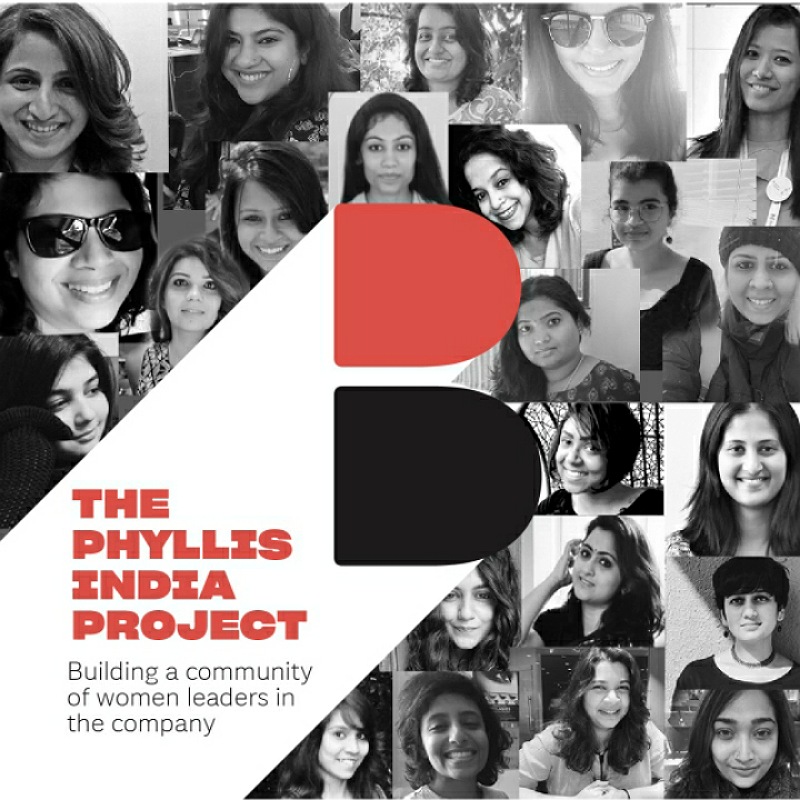
Mumbai: DDB Mudra Group has launched ‘The Phyllis India Project’- a year-long mentorship program to enable and encourage women to thrive in leadership roles and drive professional growth.
The comprehensive training program includes a customised career plan for each participant based on their goals and development areas. The idea is to help participants navigate mental and societal challenges such as experiencing motherhood guilt-free, overcoming the imposter syndrome, courage, and self-belief, making your voice heard, and other such themes. Each participant’s career plan and development is tracked and reviewed monthly with the leadership team.
The program also includes one-on-one and group mentoring sessions conducted by several industry leaders including Titan Watches CEO Suparna Mitra, Sequoia Capital CMO – India & SEA Gayatri Yadav, Jio Saavn VP – brand solutions Virginia Sharma, Inmobi MD- APAC Vasuta Agarwal, Mirchi – national content director –digital Indira Rangarajan as well as DDB Worldwide global business director Varsha, DDB Germany CCO Diana Sukopp, DDB Chicago VP and strategy director Noelle Baer among others.

“Gender gaps influence the society, culture, economy, and the way in which we shape our world for the next generation. Supporting the advancement of women and non-binary individuals by addressing the challenges they face is a global priority for the Group, and we in India have taken it very seriously. It’s inspiring to watch the participants of the Phyllis program grow personally and professionally, take on new roles, and steer the company towards a future with unbound potential,” said DDB Mudra Group CEO and MD Aditya Kanthy.
The DDB Mudra Group first entered participants into the global Phyllis Project in 2017, and later introduced the Indian edition that addresses the cultural challenges that women leaders face in the country. The Phyllis India Project pilot kicked off in 2020. The program has since been training its pilot batch of women leaders. The program is named after Phyllis Robinson – DDB Worldwide’s first copywriter and the first female copy chief in US history, who was known for her rebellious creative spirit, for challenging the rules, and opening the doors for women in the industry.






MAM
Ameya Velankar steps down as Uber’s head of marketing for India & South Asia
Veteran marketer exits after more than seven years with the ride-hailing giant.
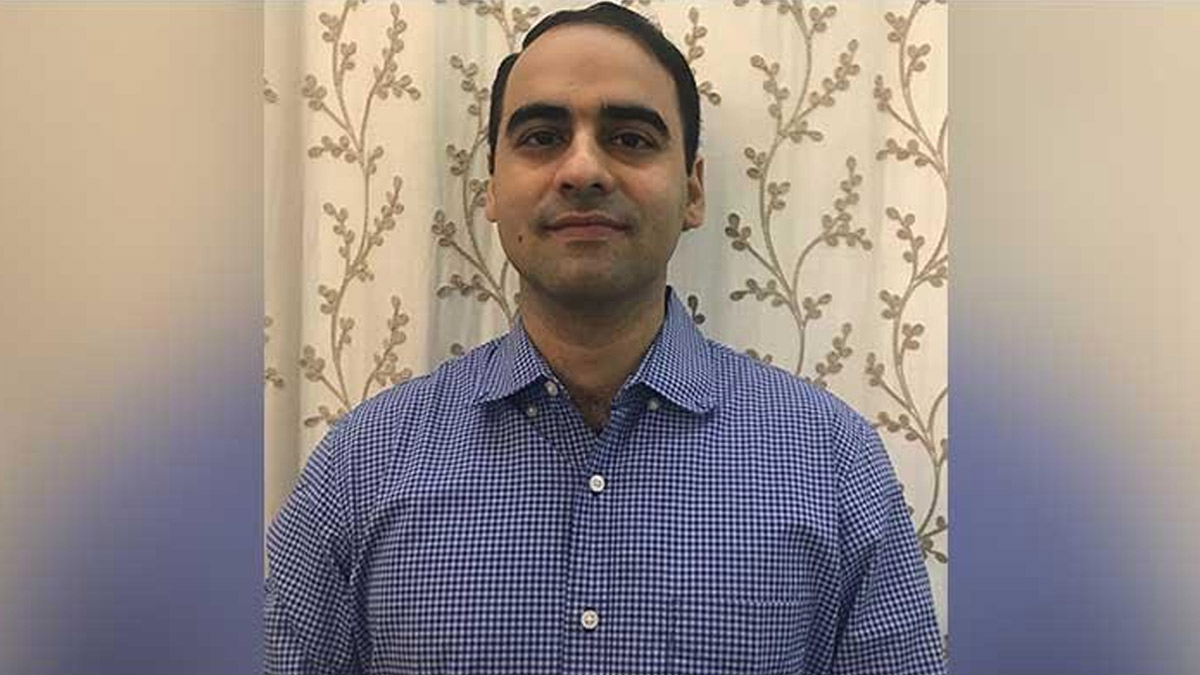
MUMBAI: After more than seven years of steering Uber through the bumpy roads of India’s mobility market, Ameya Velankar has decided to change lanes. Ameya Velankar has stepped down as Head of Marketing for India and South Asia, marking the end of a significant chapter at the ride-hailing company. He had been with Uber since 2019, taking on multiple roles in product and category marketing before rising to lead the marketing function for the region in 2021.
During his tenure, Velankar played a key role in strengthening Uber’s positioning in one of its most competitive and dynamic markets. He helped drive localised marketing strategies and scale adoption across key offerings such as Auto, Moto, Rentals and Intercity, tailoring global platforms to Indian consumer needs.
Prior to joining Uber, Velankar built his marketing expertise at leading consumer companies including SC Johnson and Marico, where he handled category and product leadership roles. His career began at RPG Enterprises.
Details of his next professional move have not been disclosed.
In a fast-evolving mobility landscape where brands constantly battle for attention, Ameya Velankar helped Uber stay relevant and resonant with millions of Indian users. As he moves on from the driver’s seat of marketing, the company will now look for fresh ideas to keep its wheels turning smoothly.






