MAM
Dabur India forays into syrups & spreads segment with Dabur Honey Tasties

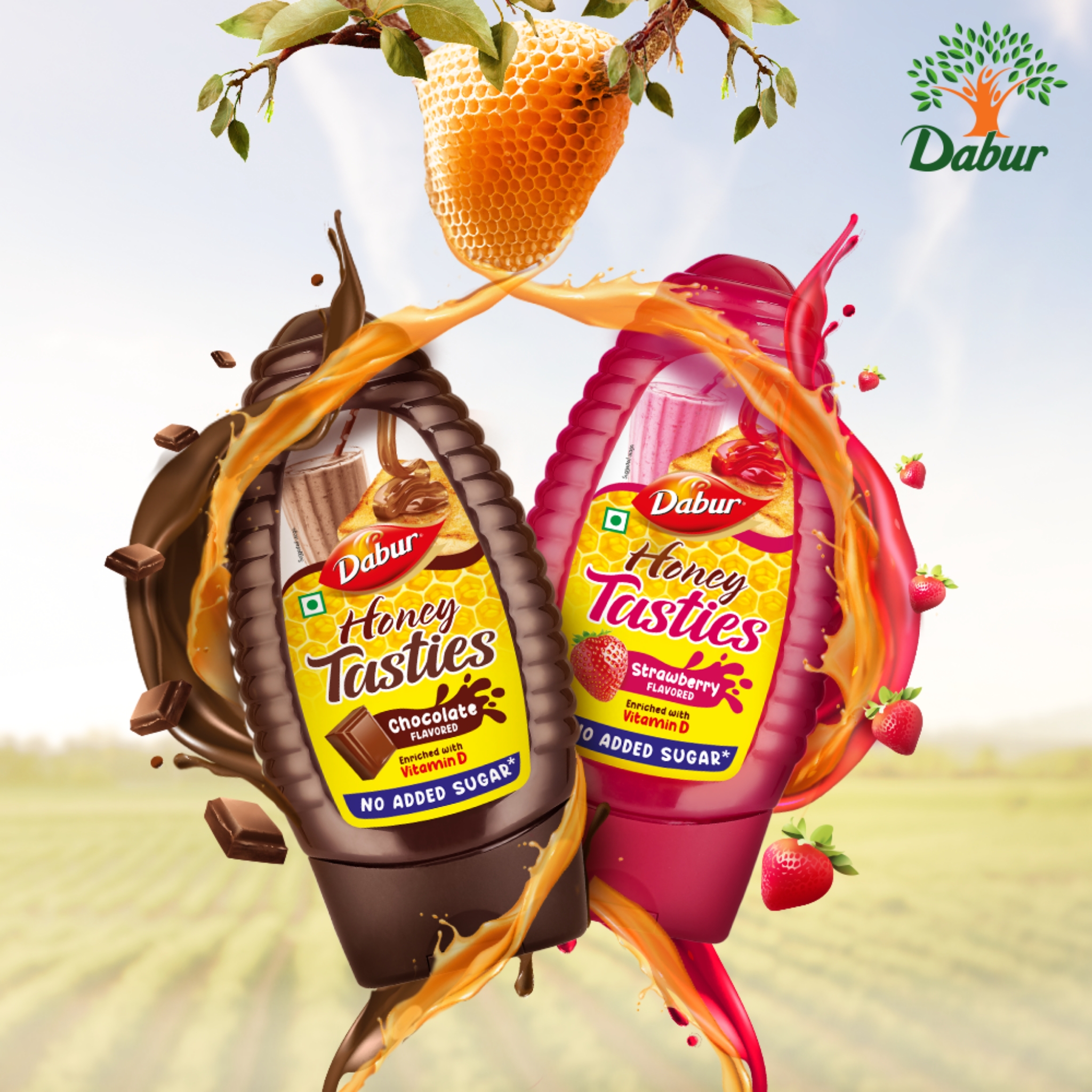
Mumbai: FMCG major Dabur India on Thursday announced its foray into the syrups and spreads category with the launch of ‘Dabur Honey Tasties’. The new product has been launched in two flavours – Chocolate and Strawberry.
This honey-infused sweet, healthy, and ‘no added sugar’ take on the classic sugary chocolate and strawberry syrups is an extension of the company’s popular healthcare brand Dabur Honey, it said in a statement.
Explaining the rationale behind the brand extension, Dabur India’s marketing head – health supplements, Prashant Agarwal said, “Dabur Honey has been trusted by generations as their preferred health and food supplement. We are now offering its nutrition for kids with our new range of flavoured Honey, which is the perfect combination of taste and health. Millennial moms are increasingly looking for products that offer great taste and are also healthy for their little ones. They are also finding ways of giving the goodness of honey to their kids. Dabur Honey Tasties, a one-of-its-kind innovation in the honey category, provides a tasty treat that kids will love.”

Dabur Honey Tasties will be available in colourful squeezy packs at select retail stores and leading e-commerce platforms.





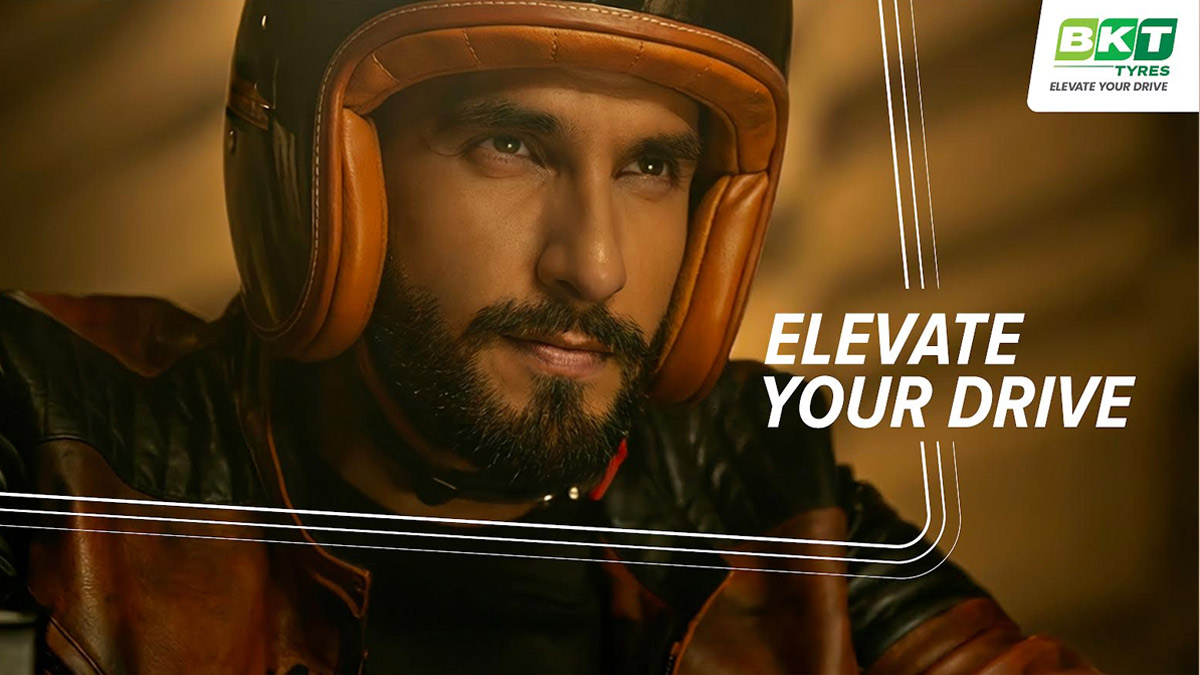
MUMBAI: BKT Tyres has decided to roll into the two-wheeler world with some serious jurrat and it’s brought Ranveer Singh along for the ride. The off-highway tyre specialist has unveiled its new campaign, ‘Jurrat’, marking a strategic push into India’s massive two-wheeler segment. The high-energy TV commercial, featuring brand ambassador Ranveer Singh, debuted on 3 April 2026 during the Indian Men’s T20 League 2026.
The campaign revolves around the core belief that true confidence on the road comes from dependable performance beneath you. ‘Jurrat’ (meaning courage) captures the mindset of riders who navigate dynamic and often unpredictable daily commutes with determination. It brings BKT Tyres’ brand philosophy ‘Elevate Your Drive’ into the two-wheeler space by spotlighting three key product benefits: long life, exceptional road grip, and unmatched comfort.
BKT Tyres chief marketing officer for India Mahesh Koppad said, “India’s two-wheeler segment reflects the way the country moves, works, and progresses every day. ‘Jurrat’ highlights how performance-led tyres, engineered for long life, comfort, and grip, enhance the overall riding experience and support uninterrupted progress in everyday life.”
The campaign is being rolled out across television and digital platforms with high-impact placements to ensure maximum reach and engagement.
This launch represents BKT Tyres’ calibrated expansion from its stronghold in off-highway tyres to becoming a more holistic mobility brand, addressing the everyday transportation needs of millions of Indian riders who rely on motorcycles and scooters as their primary mode of transport.
In a segment where confidence is everything, BKT Tyres is betting that a combination of bold celebrity appeal and strong product performance will help it gain serious traction on Indian roads. The campaign signals that the company is ready to move beyond its traditional turf and accelerate in the fast-paced two-wheeler market.






