MAM
Curtains for in-hotel conferences and events sector?

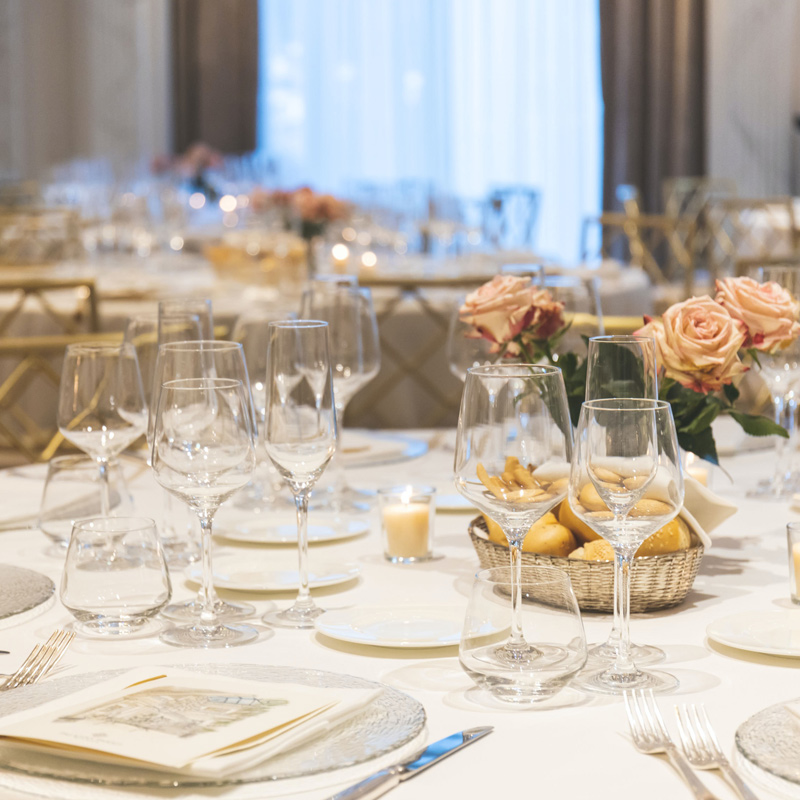
MUMBAI: For long, the hospitality industry has played hard to get with those in the knowledge and entertainment event business. Banquet sales managers of five star hotels, venues were so used to charging a premium for almost any additional request that was put to them. And they refused to budge. We are referring to the Tajs, the Oberois, the Marriots, the Hyatts, the ITCs, the Lalits et al.
Rentals for banquet halls, mediocre buffet meals at atrociously high price, additional monopoly penalty fees for suppliers (who have a monopoly in the hotel, promising it minimum obscene revenues) of almost everything from cranes, to generators, to even sets in the hall – the charges piled on. And the organizer of the event (mainly the client, which could be a brand or parents of a to-be-wedded couple) had to cough up. No amount of cajoling or negotiation worked. ‘Take it or leave’ was the attitude.
The challenge is there are very few good banquet halls to organize conferences for 300 people or more. The venues are a scarcity and most of them are taken up much in advance. Hence, with it being a sellers’ market, the buyers had no choice but to grit their teeth and agree.

An evening gig for 300 people could set you back by Rs 16-17 lakh, including meals, alcohol, and some décor and stage setups. A majority of that would be accounted for by banquet fees.
Now with the Covid2019 virus raging like a tempest across the world and slaying hundreds of thousands of people and strict lockdown procedures in place – disallowing gatherings of people – these very same hotels are vacant or are being used to house policemen or other government officials. Banquet managers, who used to grinning ear to ear thanks to the fat revenues they earned from overcharging for average spaces, are scratching their heads on how and when they will go back to what was their normal.
The news for them is that their days are numbered. The normal is gone. There’s a new gig in town. The online one. Over the past few weeks, new options have emerged: that of the online webinar, and of web performances. Tools like Zoom, Microsoft Teams, Google Meet – are being used more than ever. At any given moment at least hundred webinars or meetings are being held somewhere in India. And they are working out well.
Prices are affordable: a good webinar with 500 participants can be put together for less than $200 each, including hosting, audience generation, marketing, video recording, packaging and the bells and whistles. The best part is that you have very limited check boxes to tick as compared to real live events. The main ones being: bandwidth, and speaker generation and a background image. There is no question of food, or arrangements, sound or lights, or stage.
As compared to that, the amount of effort that goes into organizing a live event is draining. Sessions are delayed, some run overtime, speakers arrive late courtesy traffic, thus sending schedules haywire and irritating other punctual ones and the audience. Speakers are irritated, the audience gets annoyed. Of course, there is the additional worry of raising sponsorships and selling seats to help defray these exorbitant costs, negotiations with the hotel on every issue, sounds, lights, projectors et al.
It’s quite likely that corporate India will take the digital virtual conference route even after the Covid2019 menace goes away, because of all the conveniences it offers.
Will this force five star hotels and conference venues to become more reasonable?
The top ends ones might go even more premium and charge even more, willing as they are to forego business volumes and focusing on high profitability. The wise ones will choose the price competitive path, and, may be, attract some real-world conferences back.
My understanding is that while the real-world-touch-and-feel effect for events is so much better, the challenges outweigh the benefits. Hence, the digital/virtual pathway seems more appealing. Of course, some may argue that zoom bombing can throw a spanner in the online conference business. But that can be curtailed by verifying ever participant.
Clearly, the events industry has seen a shift. Those in the hospitality industry who react rightly will benefit in the long run. Those who do not: well, it will be ta-ta to them.
(The author is a leader in the events business. He chooses to remain unidentified as he fears a backlash from the already hurting hospitality and venue sectors.)





Brands
CEAT signs Yashasvi Jaiswal as brand ambassador in multi-year deal
The tyre giant is backing one of Indian cricket’s brightest young stars, deepening a sporting association that goes to the heart of its brand strategy
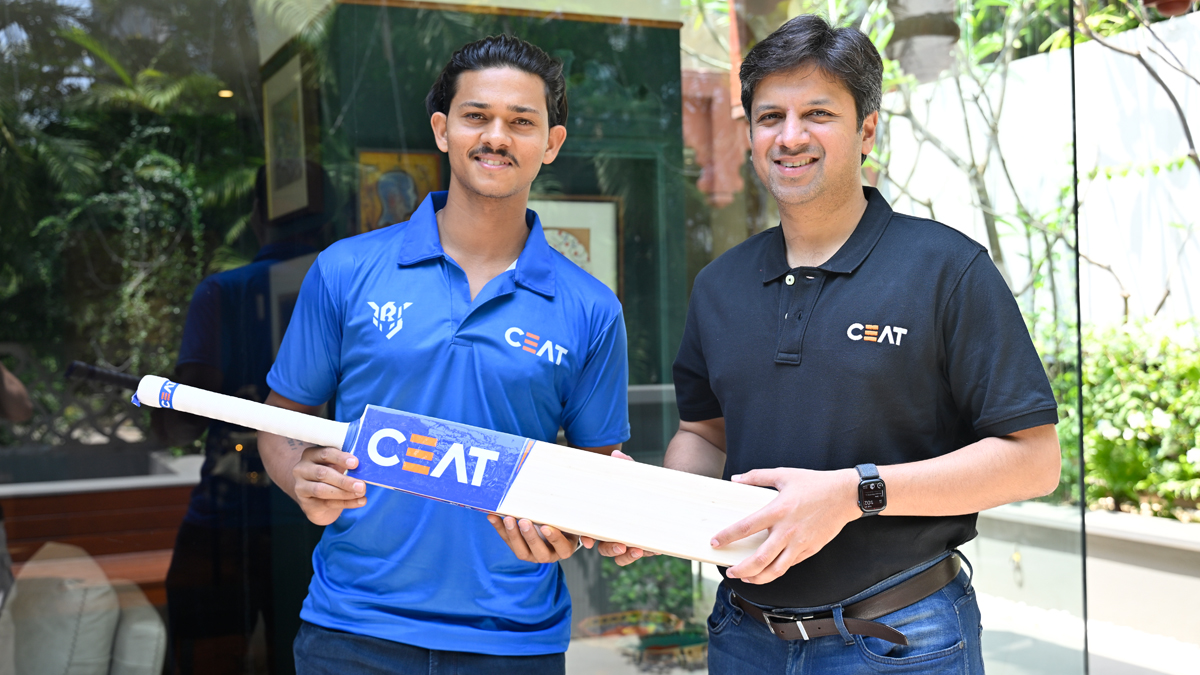
MUMBAI: CEAT Limited has signed a multi-year partnership with Yashasvi Jaiswal, one of Indian cricket’s most electrifying young batters, effective 1st April 2026. The deal adds fresh muscle to the Mumbai-based tyre maker’s long-running bet on cricket as its primary marketing canvas.
Jaiswal’s rapid rise in international cricket made him a coveted name in the sponsorship market. His composure under pressure, consistency across formats and an almost unnerving adaptability at the crease are precisely the qualities CEAT wants consumers to associate with its tyres. The brand has historically aligned itself with cricketers who embody control and dependability, and Jaiswal fits that template with little coaxing.
Anant Goenka, vice-chairman of RPG Group, framed the signing in the language of shared values. “Cricket has always been an integral part of CEAT’s brand journey, and we are delighted to welcome Yashasvi Jaiswal to the CEAT family,” he said. “He is one of the most exciting young talents in Indian cricket today, and the qualities he brings to the game — control, dependability and adaptability — align strongly with the values we stand for as a brand. We believe Yashasvi has the potential to lead across tournaments and formats in the years ahead.”
Jaiswal, for his part, was equally enthusiastic. “I am excited to begin this association with CEAT, a brand that has such a strong legacy in cricket and has been associated with several respected names in the game over the years,” he said. “It is always special to partner with a brand that shares your passion for cricket.”
CEAT, founded in Italy in 1924 and now the flagship company of the US$5.2 billion RPG Group, produces more than 41 million tyres a year and sells across 110 countries. It is the first tyre brand to receive both the Deming Grand Prize from the Union of Japanese Scientists and Engineers and the World Economic Forum’s Lighthouse Designation for its use of fourth industrial revolution technologies — credentials that suggest a company comfortable playing the long game.
And that, perhaps, is why Jaiswal makes such sense. He is 23, already a Test opener for India, and almost certainly just getting started. For CEAT, signing him now is less a sponsorship and more an investment — in a career, and in a cricket-obsessed market, that has plenty of overs left to play.






