MAM
Cultural sensitivity in advertising: Navigating diversity in India’s marketing landscape


Mumbai: India, a country woven with a tapestry of diversity and a melting pot of cultures, presents a unique challenge and opportunity for marketers. Its kaleidoscope of cultures, languages, and traditions necessitates a nuanced approach to advertising that respects and embraces this diversity.
Showcasing India’s Diversity
India boasts unparalleled diversity that manifests in its myriad languages, traditions, and customs. From the vibrant festivities of Diwali to the solemnity of Eid, the country is a melting pot of celebrations and rituals that vary across regions. Acknowledging and showcasing this incredible diversity forms the bedrock of effective advertising strategies.

In-depth market research: Understanding the audience
Thorough market research is the cornerstone of successful campaigns in India. The significance of understanding the cultural nuances and preferences of a diverse audience cannot be overstated. This research lays the foundation for crafting campaigns that resonate with people from various cultural backgrounds.
Linguistic diversity: Tailoring campaigns for local audiences
India’s rich linguistic diversity demands a thoughtful approach to advertising. While standardized national campaigns may have a wide reach, tailored local campaigns resonate more deeply with specific audiences. The impact of language in advertising is profound, bridging the gap between brands and consumers.
Cultural sensitivity: Respecting symbolism
Cultural sensitivity is paramount when leveraging symbols and cultural references in advertising. A keen awareness of the nuances within diverse cultures helps in avoiding misinterpretations or insensitivity, thereby fostering positive brand perception.
The significance of Indian festivals in Advertising
Aligning advertising strategies with major festivals is a powerful tool for brands in India. Campaigns crafted around festivals like Holi, Durga Puja, or Christmas resonate strongly, fostering emotional connections and positive brand associations. Successful campaigns during festivals have showcased the cultural ethos and values, resonating deeply with the audience.
The influence of local celebrities
Celebrities have long been leveraged as a marketing/advertising tool by brands thanks to their stardom and the credibility they hold among the masses. We can even go so far as to say that they have emerged as a driving force in Indian advertising. Their ability to connect with local audiences fosters credibility and relatability for brands. Leveraging local icons helps in crafting narratives that strike a chord across diverse cultural landscapes.
Inclusive advertising: Narratives and cultural backgrounds
Inclusivity in advertising involves showcasing diverse cultural backgrounds and narratives. Ads featuring individuals from different cultural backgrounds create a sense of representation and belonging among consumers, strengthening brand loyalty.
The pivotal role of social media
Social media and digital marketing play a pivotal role in breaking down regional boundaries. While offering opportunities for brands to connect with diverse audiences, it also poses challenges in maintaining cultural sensitivity in a borderless digital space.
Cultural representation: Positive imagery and avoiding controversy
Positive cultural representation is a cornerstone of successful advertising. It involves showcasing cultural elements in a respectful manner while avoiding controversies or stereotypes that might offend certain groups.
Bottomline: Embrace diversity for long-term success
The diverse Indian market holds immense potential for brands that navigate cultural diversity positively and responsibly. Cultural sensitivity, when integrated into advertising strategies, not only builds brand credibility but also fosters long-term customer loyalty. Understanding and embracing the multifaceted cultural landscape of India is not just a marketing strategy but a testament to a brand’s commitment to inclusivity and respect. Cultural sensitivity can lay a strong foundation for brands seeking sustained success in India’s diverse and culturally rich marketplace.
The author of this article is Excellent Publicity strategy director Manini Contractor.


Brands
Samsung certifies 1,000 Maharashtra students in AI and coding
The South Korean electronics giant marks its first large-scale skilling push in the state, with women making up nearly half the national programme’s enrolment
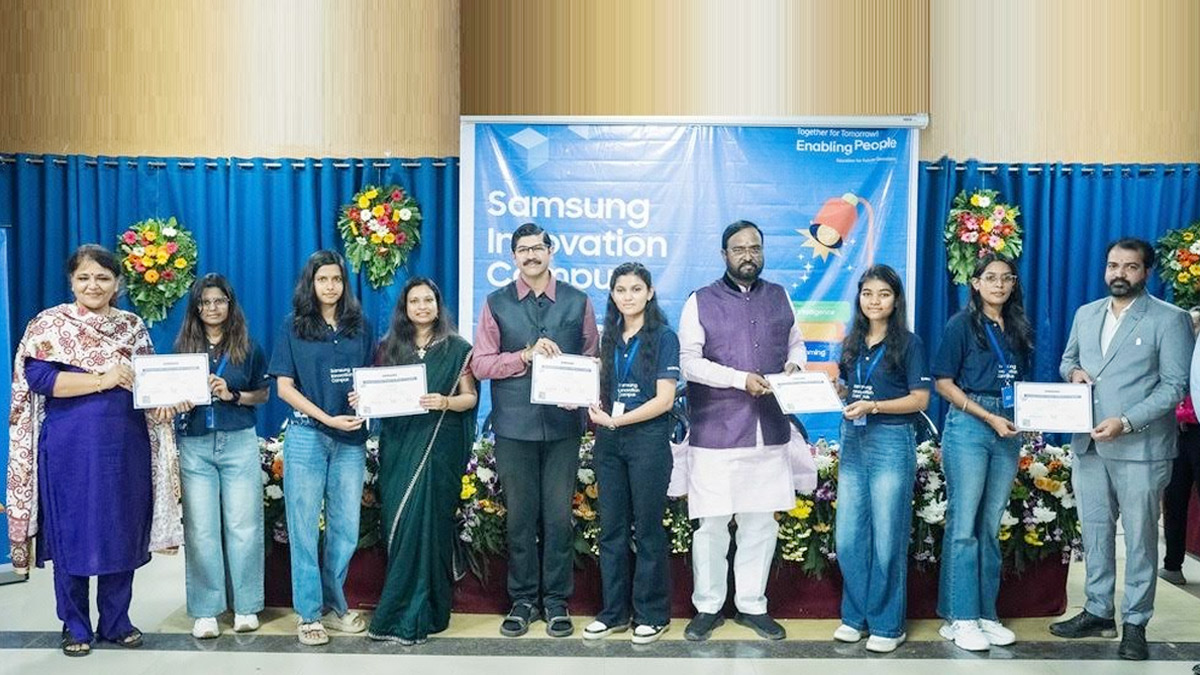
PUNE: Samsung has put 1,000 students in Maharashtra through a certified training programme in artificial intelligence and coding, the largest such drive the South Korean electronics company has run in the state and a signal that corporate India’s skilling ambitions are moving well beyond the boardroom brochure.
The certifications were awarded under Samsung Innovation Campus (SIC), the company’s flagship corporate social responsibility programme, which launched in India in 2022 with the stated aim of democratising access to future-technology education. The 1,000 graduates were drawn from four institutions: 127 from Savitribai Phule Pune University, 373 from Pimpri Chinchwad University, 250 from D.Y. Patil University’s Ramrao Adik Institute of Technology and 250 from Anjuman-I-Islam’s Kalsekar Technical Campus. All completed training in either AI or coding and programming, the two disciplines Samsung has identified as the critical pillars of the digital economy.
The programme does not stop at technical training. Soft-skills development and career-readiness modules are baked into the curriculum, a deliberate attempt to close the gap between what universities teach and what employers actually want.
“India’s digital growth story will ultimately be shaped by the quality of its talent pipeline,” said Shubham Mukherjee, head of CSR and corporate communications at Samsung Southwest Asia. “As technologies like AI move from the periphery to the core of industries, skilling must evolve from basic training to building real-world capability. This milestone in Maharashtra reflects how industry and academia can come together to create a future-ready workforce that is both globally competitive and locally relevant.”
The Maharashtra drive sits within a rapidly scaling national effort. Samsung Innovation Campus trained 20,000 young people across India in 2025, hitting its stated target for the year. Women account for 48 per cent of national enrolments, a figure the company cites as evidence of its push for an inclusive technology ecosystem. The programme is implemented in partnership with the Electronics Sector Skills Council of India and the Telecom Sector Skill Council.
Samsung, which is marking 30 years in India this year, runs SIC alongside two other initiatives, Samsung Solve for Tomorrow and Samsung DOST, as part of a broader effort to build what it calls a generation of innovators with both the technical depth and the problem-solving mindset to thrive in a fast-moving digital world.
A thousand certified students is a tidy headline. Whether they find jobs that match their new skills is the harder question, and the one that will ultimately determine whether corporate skilling programmes like this one are genuine pipelines or well-photographed gestures.






